



Cement & Mining Spray Nozzles Manufacturer
Heavy-duty spray nozzle systems for the cement and mining industry. Reliable performance in dust suppression, clinker cooling, material washing, equipment cleaning, and fire protection for cement plants, coal mines, metal ore operations, and aggregate production facilities.
Industry Overview
The cement and mining industry demands robust spray technology for
environmental control and process efficiency. Modern operations face
challenges including meeting stringent dust emissions regulations,
cooling hot process materials, minimizing water consumption in arid
mining regions, and ensuring equipment reliability in harsh abrasive
environments.
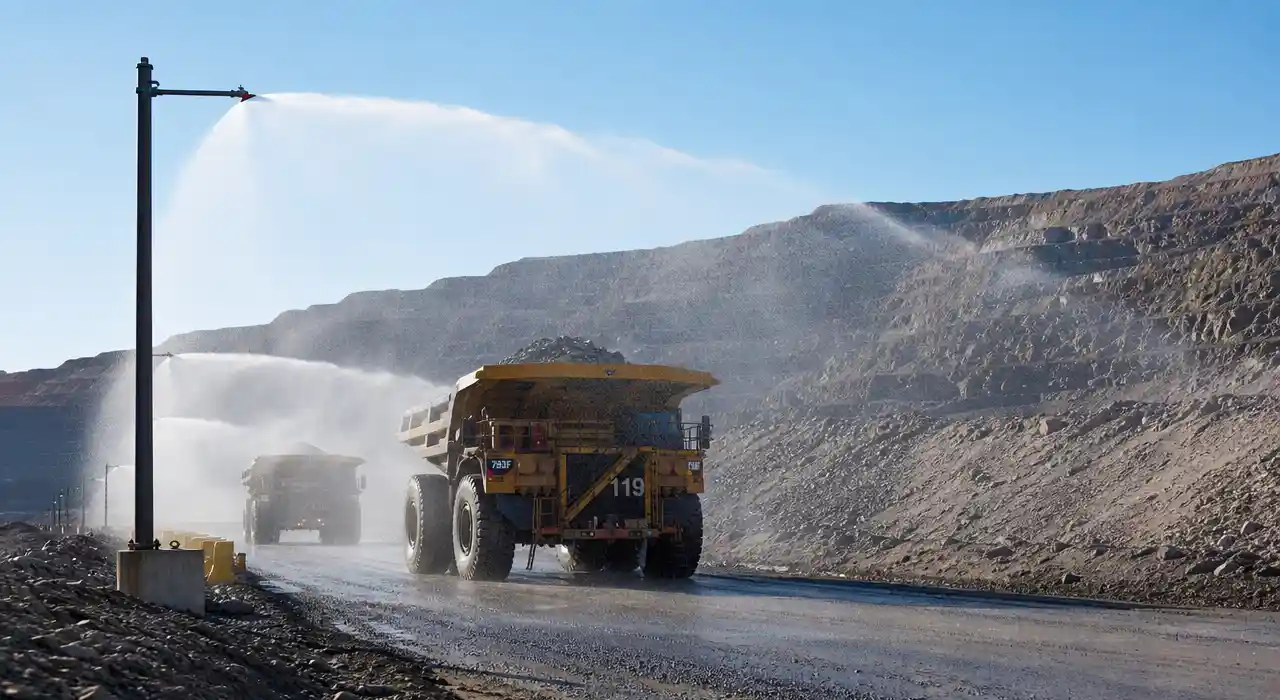
Spray nozzles are critical in dust suppression for crushing,
screening, conveyor transfers, and haul roads, clinker cooling in
cement kilns reducing material temperature from 1400°C to below
100°C, material washing for aggregate cleaning and ore processing,
equipment cleaning for mixer trucks and plant maintenance, and fire
protection for coal handling and conveyor systems.
Cement & Mining Operations
Material Extraction
Haul Road Dust Control
Primary Crushing
Crusher Dust Suppression
Material Handling
Conveyor Transfer Point Spray
Cement Kiln
Clinker Cooling
Secondary Processing
Screening & Grinding
Finished Product
Loading & Storage
Cement & Mining Challenges & Solutions
Controlling Fugitive Dust Emissions
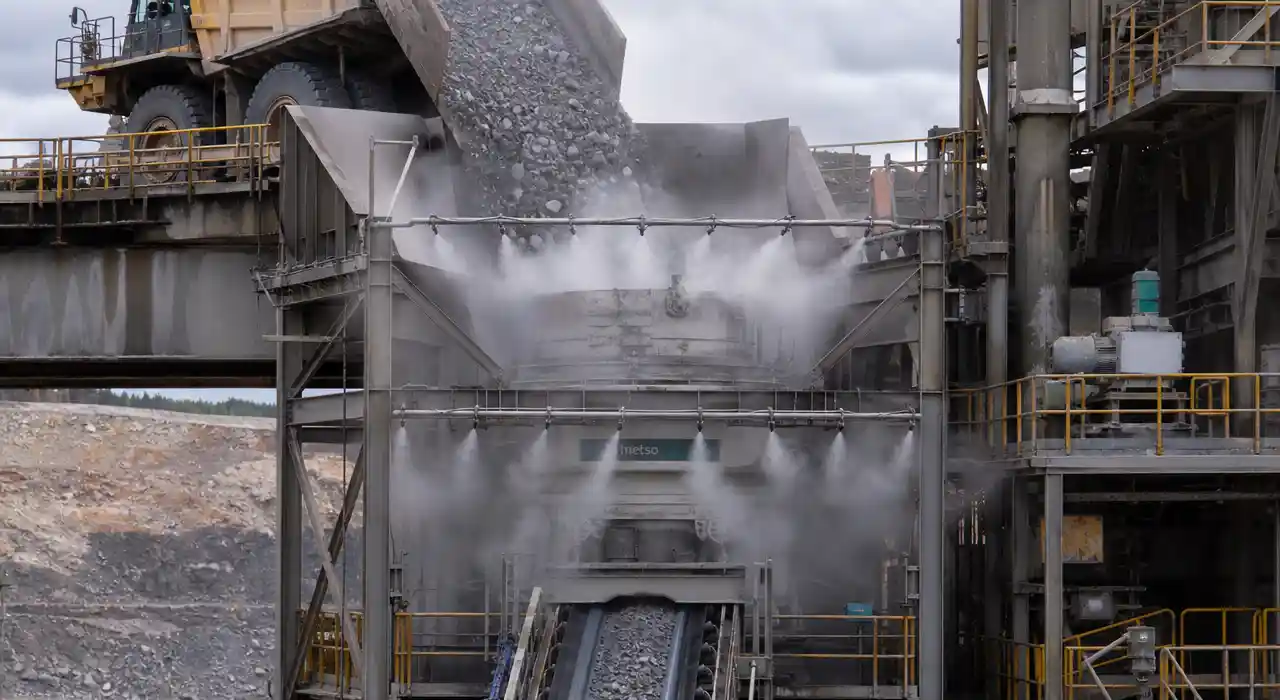
ChallengeMining and cement operations generate enormous fugitive dust quantities from crushing (500-5000 kg/hr), conveyor transfers (100-1000 kg/hr per point), and haul roads (up to 10 kg/vehicle-km). Respirable silica dust (PM10 and PM2.5) poses serious health risks causing silicosis, lung cancer, and respiratory disease. Environmental regulations including EPA NESHAP and state implementation plans mandate 90-95% dust control. Uncontrolled emissions generate community complaints, regulatory citations, and potential facility shutdowns. Traditional water spray systems using coarse droplets (>500 microns) achieve only 50-70% effectiveness while consuming excessive water.
SolutionOur mining dust suppression nozzles deliver optimized droplet sizes of 100-300 microns matching dust particle dimensions for maximum capture efficiency achieving 80-95% control, provide wide-angle spray patterns (90-120°) covering large areas from fewer nozzles, create fine mist using low pressure (3-10 bar) minimizing water consumption to 5-20 L/min per transfer point, and incorporate surfactant injection systems improving wetting and extending coverage duration. Automated control systems activate spray during material handling and deactivate during idle periods conserving water. Typical installations reduce respirable dust concentrations from 5-15 mg/m³ to below 1 mg/m³ meeting MSHA and OSHA exposure limits.
View Dust Suppression Solutions →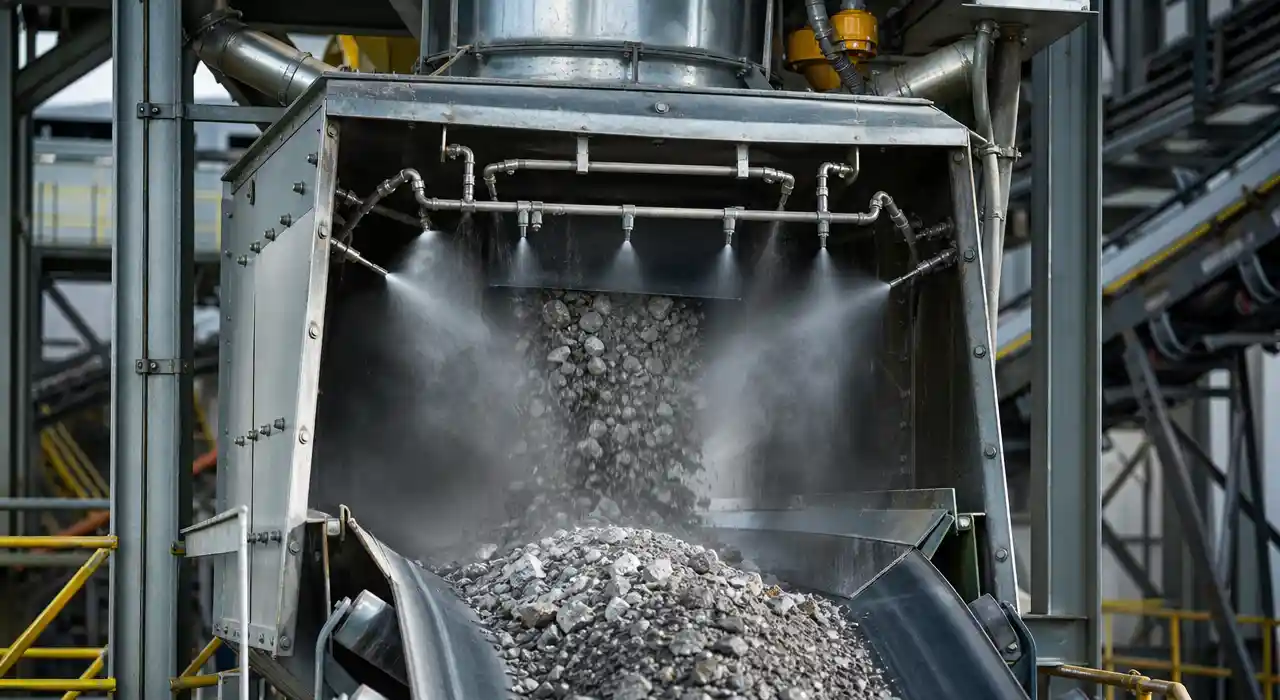
Cooling Hot Clinker Efficiently
ChallengeCement clinker exits rotary kilns at 1200-1450°C requiring cooling to below 100°C before storage and grinding preventing spontaneous combustion and equipment damage. Inadequate cooling causes clinker discharge temperature excursions above 150°C creating fire hazards and degrading cement quality through phase changes. Excessive water injection causes thermal shock fracturing clinker into fines that reduce product value and complicate handling. Non-uniform cooling creates clinker with mixed properties affecting cement performance. Traditional air cooling alone requires 30-60 minutes with large coolers consuming substantial energy.
SolutionOur clinker cooling spray nozzles deliver controlled water atomization achieving rapid evaporative cooling reducing clinker temperature from 1400°C to 100°C within 5-15 minutes, use hollow cone patterns ensuring uniform water distribution preventing thermal shock, feature wide orifices (8-20mm) resisting clogging from clinker dust and scale, and incorporate automated temperature monitoring adjusting spray flow maintaining target cooling rates. High-temperature resistant materials including 310 stainless steel and Inconel withstand 800-1200°C ambient temperatures in cooler inlets. Typical installations reduce cooler residence time by 40-60% increasing kiln production capacity while improving cement quality consistency.
View Cooling Solutions →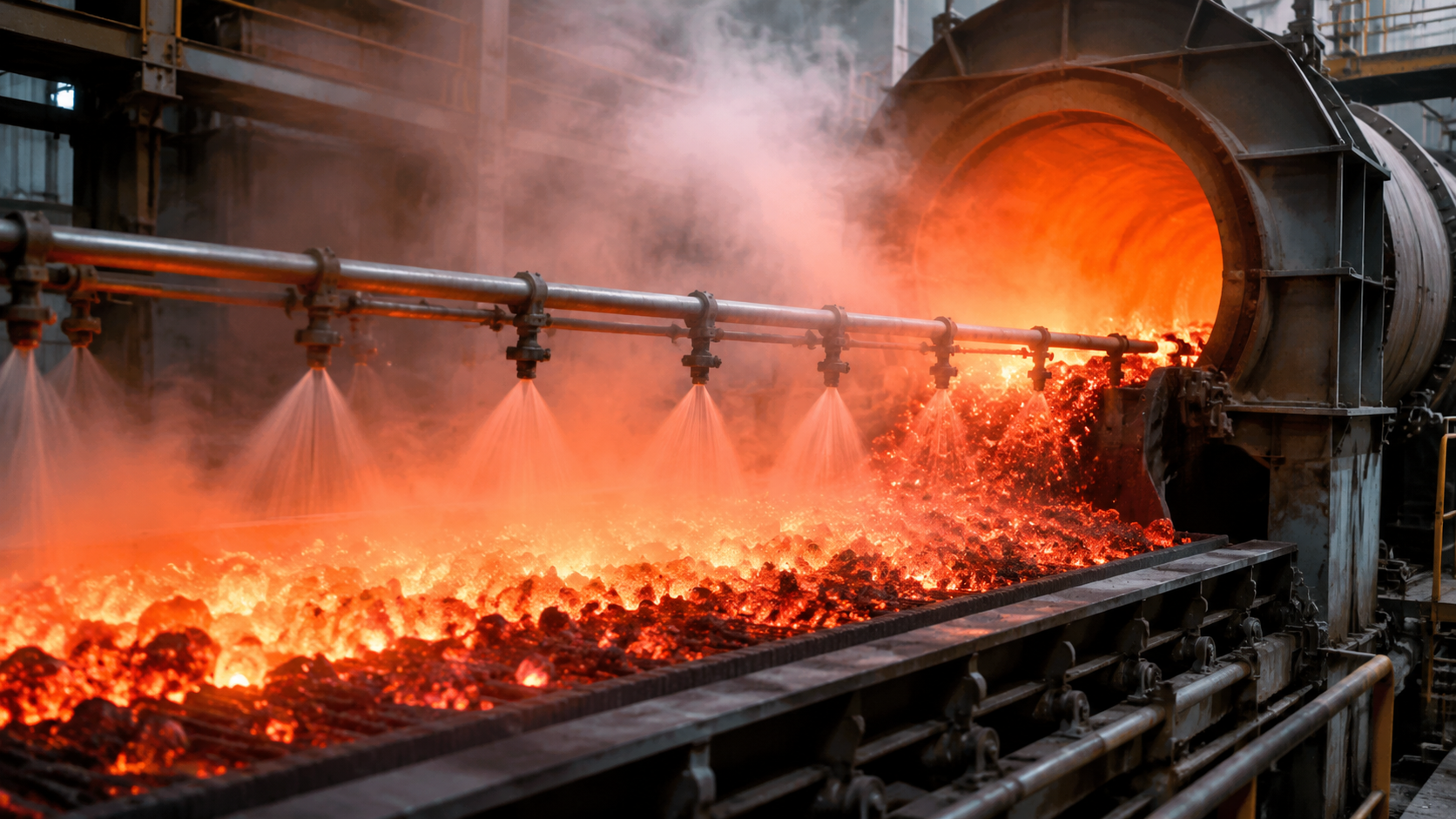
Minimizing Water Consumption in Arid Regions
ChallengeMining operations in arid regions face severe water scarcity with limited availability for dust suppression and material processing. Traditional dust control using fire hoses consumes 50-200 L/min per application point generating daily usage of 100-500 m³ for medium operations. Water costs including extraction, pumping, and treatment range from $0.50-5.00 per cubic meter. Haul road watering provides dust control for only 30-90 minutes requiring frequent reapplication. Excessive water application on unpaved roads causes rutting and material loss. Environmental permits often limit water extraction from ground or surface sources.
SolutionOur water-efficient dust suppression systems reduce consumption by 60-80% through optimized spray patterns eliminating waste from overspray or missed areas, fine mist atomization (100-250 microns) maximizing dust capture per liter of water, surfactant injection systems improving particle wetting and extending effective duration to 4-8 hours versus 30-90 minutes for plain water, and automated control activating spray only during active material handling. Typical daily savings of 50-300 m³ represent $25,000-400,000 annual cost reduction with payback periods of 6-18 months. Recycled process water and captured mine drainage can often substitute fresh water further reducing consumption.
View Dust Suppression Solutions →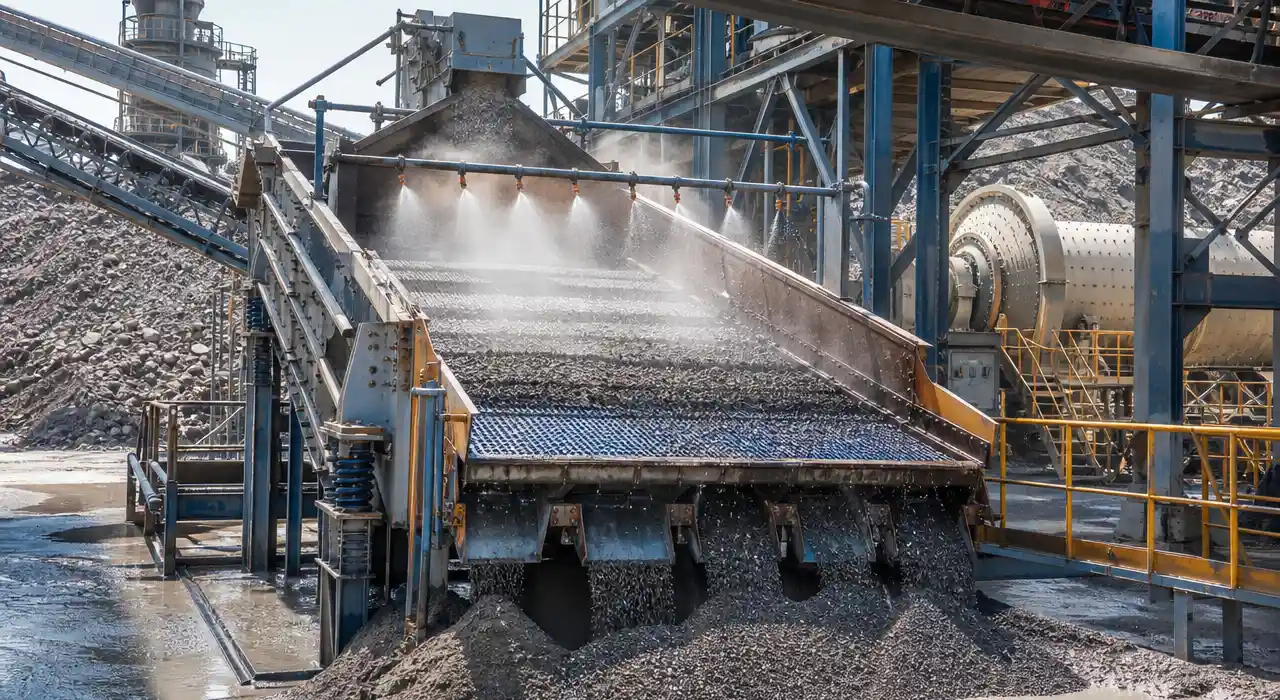
Withstanding Abrasive Material Wear
ChallengeMining and cement spray nozzles face extreme abrasion from suspended particles including coal dust, silica sand, cement clinker, and metal ore minerals. Standard stainless steel nozzles erode within weeks or months with orifice enlargement degrading spray patterns and increasing flow rates. Worn nozzles provide inadequate coverage allowing dust emissions and cooling failures. Frequent replacement consumes maintenance resources and production time during changeouts. Critical applications including clinker cooling and primary crusher dust control require continuous operation with replacement only during scheduled shutdowns.
SolutionOur abrasion-resistant mining nozzles feature silicon carbide or tungsten carbide orifice inserts providing 20-100x wear life versus stainless steel in abrasive slurries, use streamlined internal flow paths minimizing turbulence and erosion, incorporate replaceable wear elements enabling orifice replacement at fraction of complete nozzle cost, and provide quick-disconnect mounting for rapid replacement during brief production pauses. Material selection guidance based on particle hardness, concentration, and flow velocity ensures optimal wear life. Typical nozzle service life extension from 2-6 months to 12-36 months dramatically reduces replacement frequency and maintenance costs.
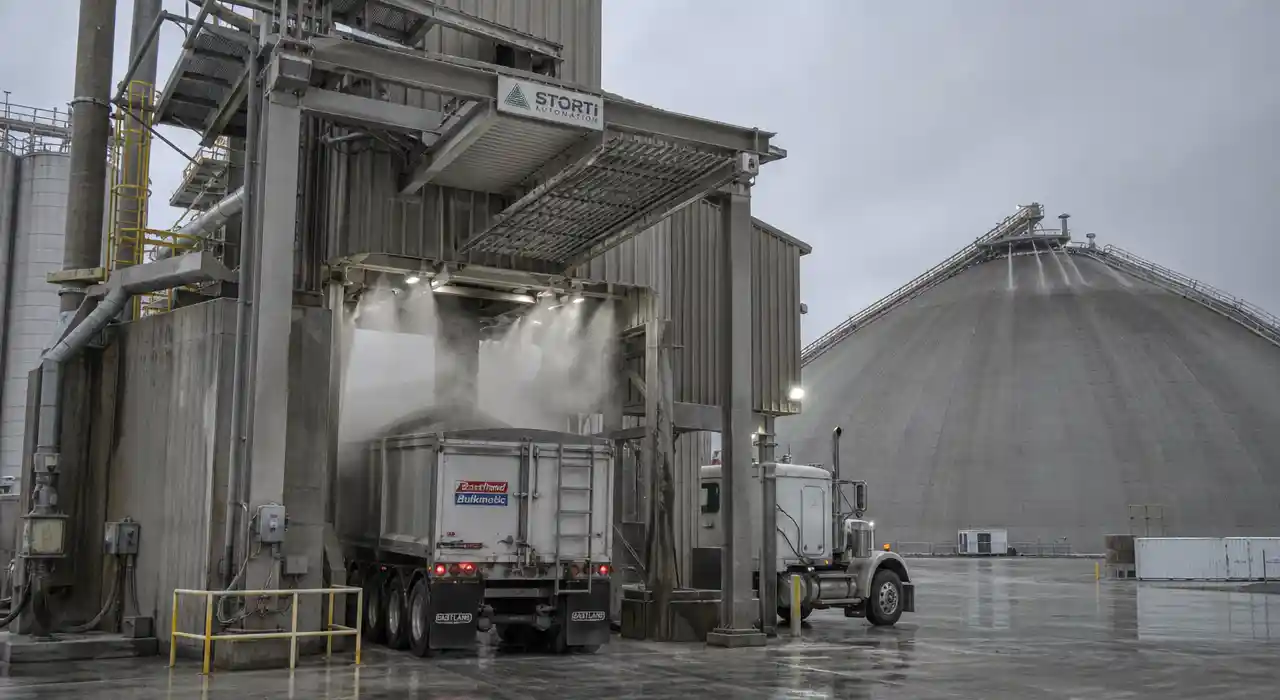
Cleaning Mixer Trucks & Equipment
ChallengeCement mixer trucks, batch plants, and processing equipment accumulate hardened concrete and cement requiring removal preventing buildup that reduces capacity and causes mechanical problems. Manual cleaning with chipping hammers requires 30-90 minutes per truck exposing workers to dust, noise, and physical strain. High-pressure washers (100-200 bar) using small nozzles (1-3mm orifices) clog frequently from cement particles requiring constant maintenance. Inadequate cleaning leaves residues that contaminate subsequent batches affecting concrete quality. Water runoff contains suspended solids and alkaline pH requiring treatment before discharge.
SolutionOur industrial cleaning nozzles deliver high-impact spray at 50-150 bar removing hardened concrete and cement deposits, feature large orifices (5-15mm) resisting clogging from cement slurries and debris, create wide-angle fan patterns covering large equipment surfaces efficiently, and use 316SS or hardened steel construction withstanding abrasive cleaning environments. Rotary spray heads with 360° coverage clean mixer drums in 10-20 minutes versus 30-90 minutes manual methods. Automated wash racks with programmable spray sequences enable consistent cleaning reducing labor and improving throughput. Chemical additives accelerate concrete dissolution enabling faster cleaning with less mechanical force.
View Cleaning & Washing Solutions →Cement & Mining Application Example
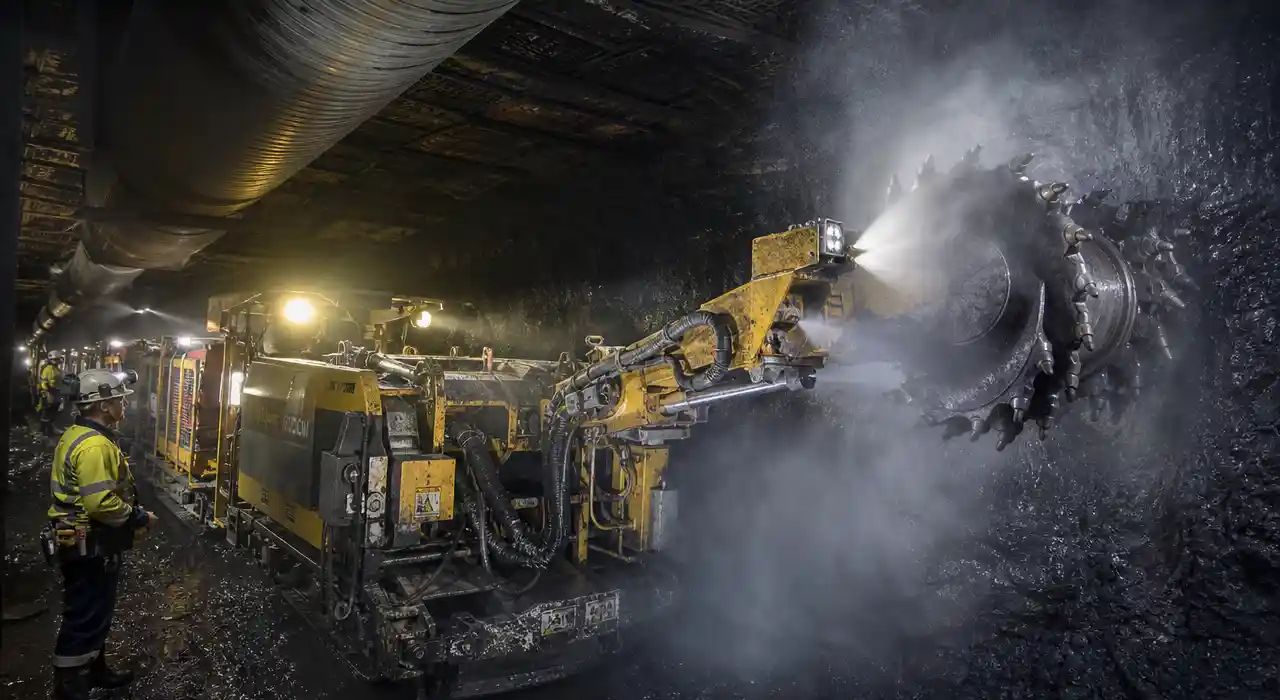
Underground Coal Mine Dust Suppression System Upgrade
Problem: An underground coal mine experienced high respirable dust concentrations of 3-8 mg/m³ at continuous miner faces exceeding MSHA permissible exposure limit of 1.5 mg/m³. Existing water spray systems using coarse droplets (>500 microns) achieved only 60% dust capture requiring supplemental controls. Worker exposure measurements during compliance sampling frequently exceeded limits generating MSHA citations. Dust accumulation on equipment and roadways created explosion hazards requiring frequent rock dusting. Excessive water spray contributed to wet floor conditions creating slip hazards.
Solution: Upgraded spray systems with optimized nozzles producing 150-250 micron droplets matching coal dust particle size for effective capture. Installed targeted spray arrays at continuous miner drum, bolter, and conveyor transfer points capturing dust at generation before atmospheric dispersion. Added surfactant injection systems improving coal dust wetting. Implemented automated activation synchronized with equipment operation eliminating wasteful continuous spray. Reduced water flow from 80 L/min to 30 L/min per location through improved efficiency.
Results:
- Respirable dust concentration reduced to below 1.0 mg/m³ consistently meeting MSHA exposure limits
- Dust capture efficiency improvement from 60% to 85-90% through optimized droplet sizing and targeted spray placement
- Water consumption reduction of 60% through optimized spray patterns and automated control
- Elimination of wet floor hazards and MSHA compliance improvement with zero dust citations during subsequent inspections
Why Choose Us for Cement & Mining Spray Systems
Industry Experience
Wear Life
L/min Capacity
bar Pressure Range
Recommended Nozzle Solutions
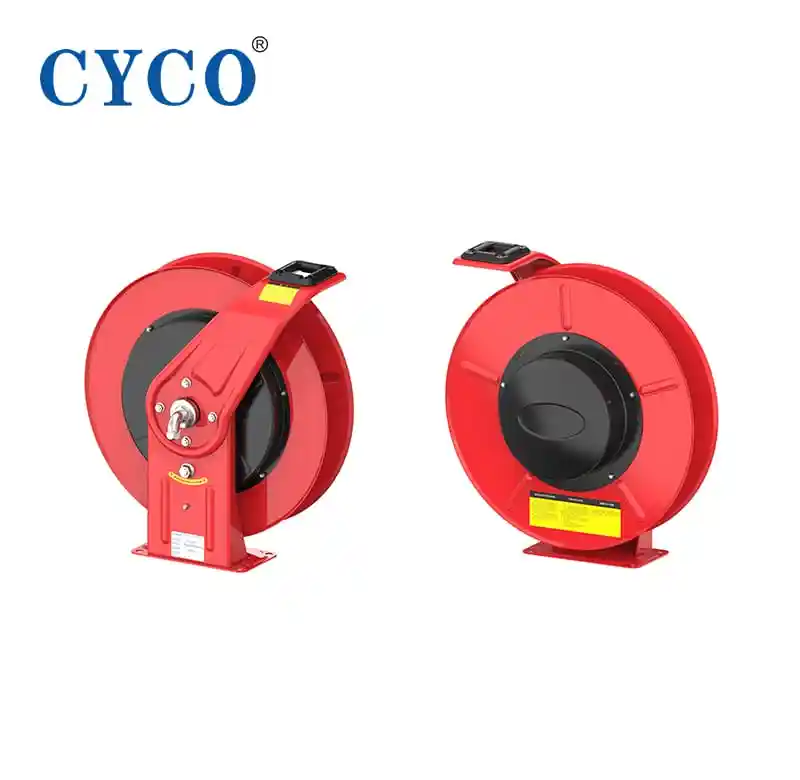
Silicon Carbide Hollow Cone Nozzle
Application: Clinker cooling, high-abrasion spray, long-life applications
Material: Silicon Carbide
View Details →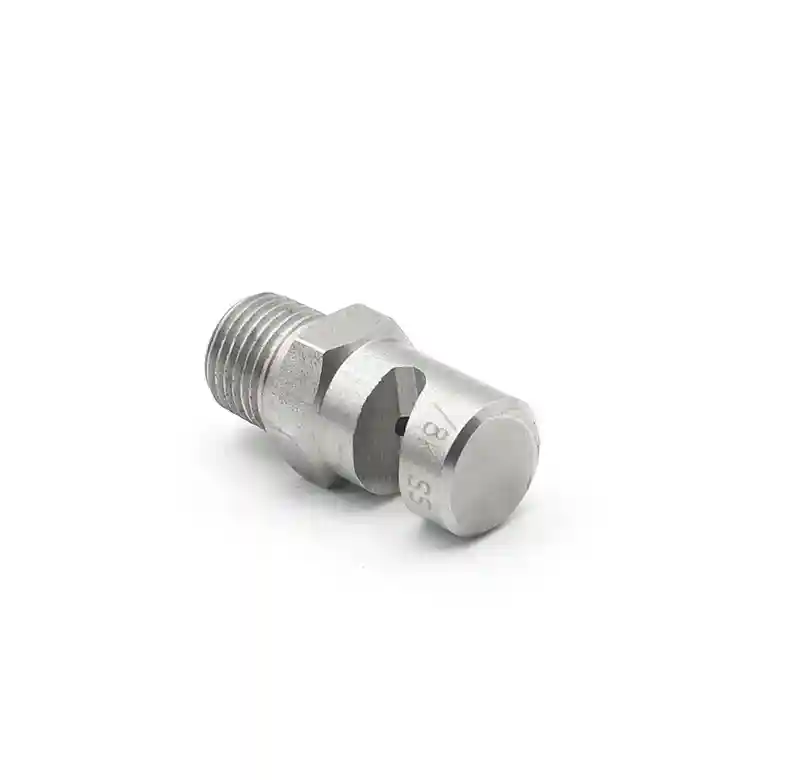
BB Series Full Cone Spray Nozzle
Application: Dust suppression, material cooling, general mining use
Material: 316 Stainless Steel / Brass
View Details →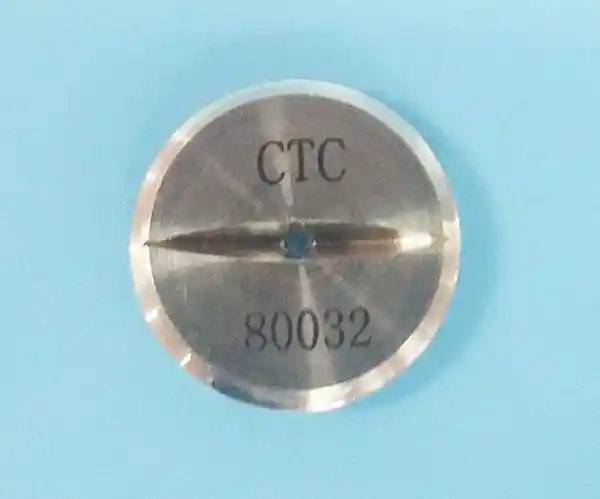
High Pressure Cleaning Nozzle
Application: Mixer truck cleaning, equipment wash-down, concrete removal
Material: 316L Stainless Steel
View Details →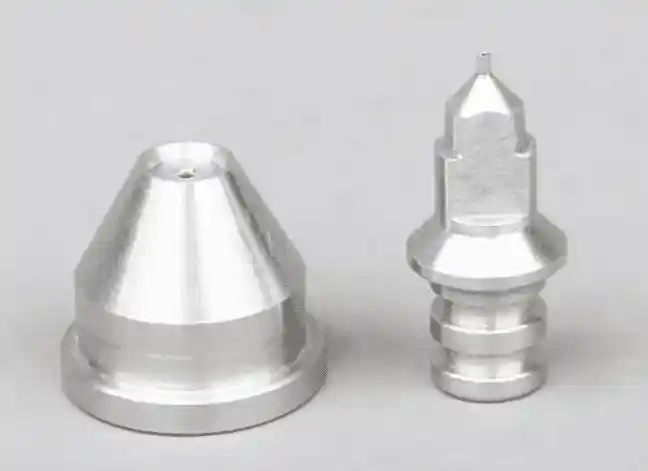
ADG Ultrasonic Atomizing Nozzle
Application: Fine mist dust suppression, respirable dust control
Material: PVDF + Stainless Steel
View Details →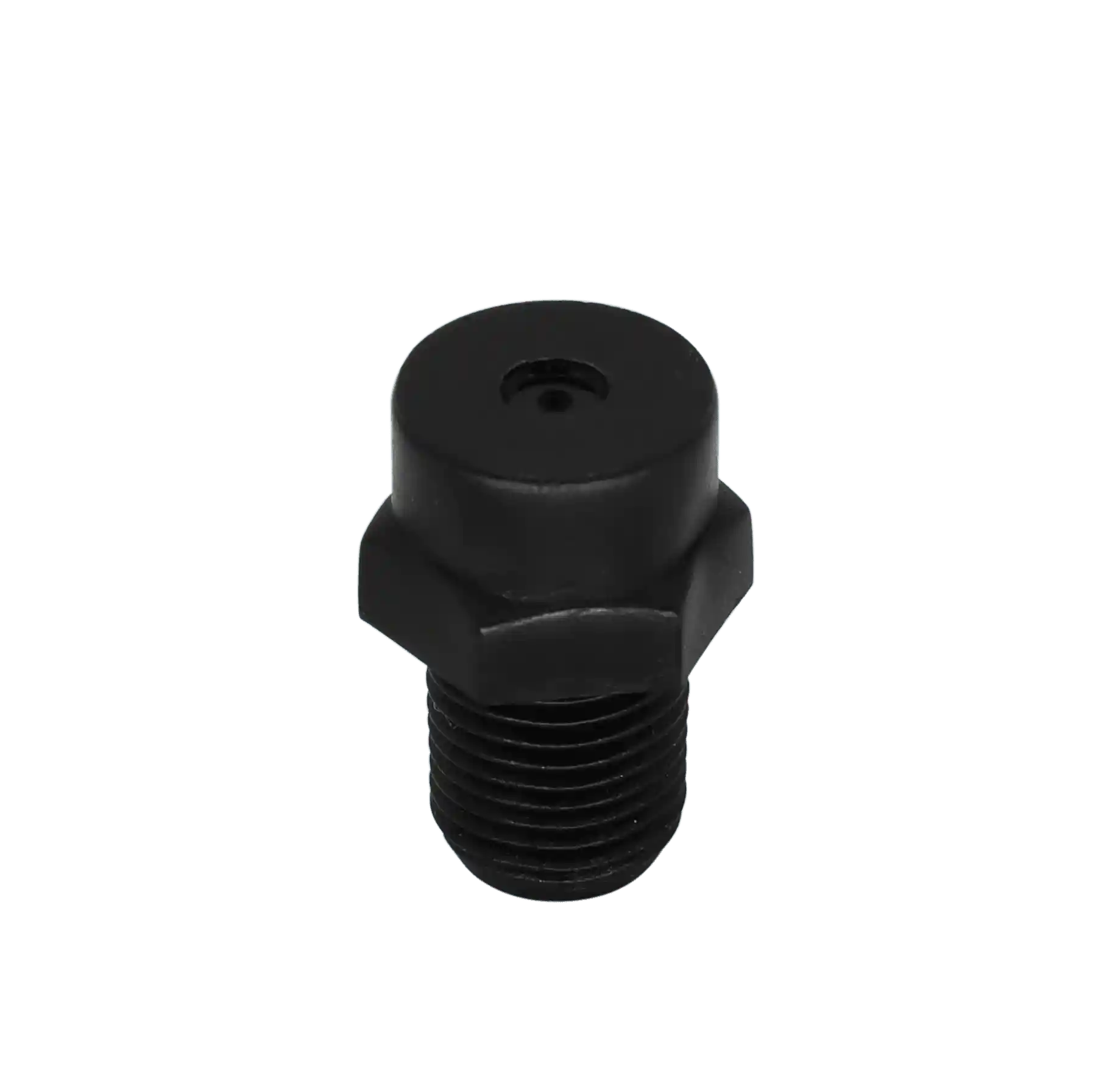
CYC-001 Plastic Misting Nozzle
Application: Low-pressure dust suppression, water conservation
Material: Polyacetal (POM)
View Details →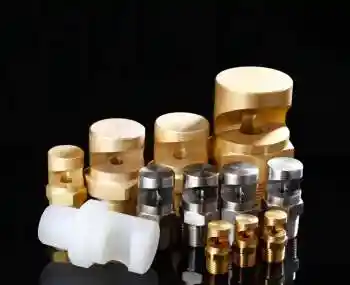
WC001 Wide Angle Fan Spray Nozzle
Application: Large area coverage, haul road spray, stockpile control
Material: Stainless Steel
View Details →Frequently Asked Questions
Mining and cement operations use heavy-duty nozzles engineered for harsh abrasive environments. Dust suppression systems require full cone or hollow cone nozzles producing 100-300 micron droplets matching particle size for effective capture with flow rates of 10-100 L/min per nozzle depending on coverage area. Conveyor transfer point spray uses targeted nozzles with flat fan or full cone patterns activated by material flow detection. Haul road dust control employs wide-angle spray nozzles (90-120°) mounted on water trucks providing 20-40 meter coverage width. Clinker cooling uses hollow cone nozzles with high-temperature materials (310SS or Inconel) operating at 800-1200°C ambient creating evaporative cooling. Equipment cleaning requires high-pressure flat fan nozzles (50-150 bar) removing hardened concrete and cement deposits. All mining nozzles must provide abrasion resistance through silicon carbide or tungsten carbide construction extending life 20-100x versus stainless steel, large orifices (5-25mm) resisting clogging from particles, and corrosion resistance withstanding acidic mine water or alkaline cement slurries. Typical service life ranges from 12-36 months in abrasive applications.
Yes, we specialize in dust suppression spray nozzles engineered for mining meeting MSHA, OSHA, and EPA air quality regulations. Our mining dust control nozzles produce optimized droplet sizes of 100-300 microns matching coal, silica, and mineral dust particle dimensions for 80-95% capture efficiency. Wide-angle spray patterns (90-120°) provide large coverage areas from fewer nozzles reducing installation and piping costs. Low-pressure operation (3-10 bar) minimizes water consumption to 5-30 L/min per application point suitable for water-scarce mining regions. Materials include 316SS for coal mines, silicon carbide for metal ore operations with extreme abrasion, and specialized alloys for acidic mine water environments. We provide complete dust suppression systems including spray arrays for crushers, screens, conveyors, and transfer points, automated control with material detection activation, surfactant injection systems extending effective coverage duration, and water recycling equipment treating mine drainage for spray use. Typical installations reduce respirable dust from 3-10 mg/m³ to below 1 mg/m³ meeting MSHA permissible exposure limits while reducing water consumption by 50-70% versus traditional fire hose methods.
Cement and mining applications require extreme abrasion resistance. Silicon carbide provides the best wear life with Mohs hardness of 9-9.5 (versus 5-6 for stainless steel) offering 50-100x service life in cement clinker cooling, coal dust suppression, and mineral ore slurries. Tungsten carbide with hardness of 8.5-9 provides 20-50x wear life at lower cost suitable for most mining applications. Ceramic alumina inserts offer excellent abrasion resistance for moderate-duty applications. For high-temperature service (clinker cooling, kiln discharge), silicon carbide maintains properties at 1400°C while metals soften above 600°C. All wear-resistant nozzles use replaceable orifice designs enabling wear element replacement (typically $50-200) versus complete nozzle replacement (typically $300-1000) reducing lifetime costs. Streamlined internal flow paths minimize turbulence concentrating wear in replaceable sections. Typical silicon carbide nozzle life of 24-36 months versus 2-6 months for stainless steel dramatically reduces maintenance frequency and replacement costs.
Yes, we provide replacement spray nozzles for mining and cement operations improving performance and reliability. Our engineering team conducts on-site assessments evaluating dust suppression effectiveness through air quality monitoring and visual observations, documenting clinker cooling system performance and temperature uniformity, measuring existing nozzle wear rates and service life, and identifying opportunities for water consumption reduction or maintenance cost savings. We offer direct replacements maintaining existing manifold threads while upgrading to abrasion-resistant silicon carbide extending service life from 3-6 months to 24-36 months, optimized spray patterns improving dust capture from 60-70% to 80-95%, or higher-efficiency atomization reducing water consumption by 40-60%. Dust suppression retrofits typically achieve regulatory compliance enabling operations to meet EPA, MSHA, and state air quality standards. Clinker cooling upgrades improve temperature uniformity enhancing cement quality and reducing cooler residence time increasing production capacity by 15-30%. Most mining and cement nozzle upgrades achieve payback within 12-30 months through extended nozzle life reducing replacement frequency, improved environmental compliance avoiding citations and potential shutdowns, and water savings in arid regions.
Mining operations achieve 50-70% dust control water consumption reduction through system optimization. First, upgrade to fine mist nozzles producing 100-300 micron droplets maximizing dust capture per liter of water versus coarse spray (>500 microns) with only 50-70% effectiveness. Implement targeted spray arrays at dust generation points (crusher discharge, conveyor transfers) replacing area flooding approaches that waste water. Install automated activation controls using dust monitors, material flow sensors, or equipment interlocks spraying only during active operations eliminating wasteful continuous spray during idle periods. Add surfactant injection systems (typically 0.1-0.5% concentration) improving particle wetting and extending effective dust control from 30-90 minutes (plain water) to 4-8 hours reducing haul road watering frequency by 75-85%. Use recycled water sources including mine drainage, process plant discharge, and captured runoff substituting expensive fresh water. Typical daily savings of 100-500 m³ represent $20,000-600,000 annual cost reduction depending on water cost and application scale with payback periods of 8-24 months on spray system optimization investments.
Mining and cement spray nozzle maintenance focuses on managing abrasive wear and clogging. Dust suppression nozzles require weekly visual inspection checking spray patterns during operation identifying degraded units, monthly flow testing measuring flow rates detecting wear or clogging exceeding ±20% deviation indicating replacement needed, and replacement when silicon carbide inserts show wear (typically 18-36 months) or stainless steel erodes (3-9 months). Clinker cooling nozzles need monthly inspection checking orifices for erosion or scale buildup, quarterly shutdown inspection with high-temperature nozzles examined for thermal stress cracking, and replacement when spray patterns deteriorate or temperature control degrades. Equipment cleaning nozzles require daily inspection for clogging from cement particles, weekly removal and cleaning using descaling solutions, and quarterly replacement in high-use applications. All spray systems benefit from upstream filtration (20-60 mesh) capturing oversized particles, water treatment using softeners or inhibitors preventing scale in hard water regions, and regular testing verifying spray effectiveness through dust monitoring or temperature measurement. Spare nozzle inventory should include 20-30% of installed quantity enabling rapid replacement during brief production stops.