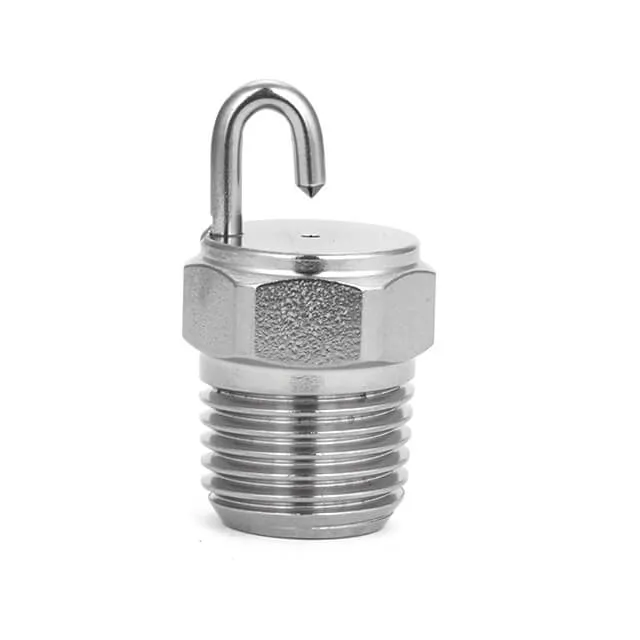


Customer pain: Chemical waste and environmental contamination.
Requirement: Controlled droplet size, minimal drift.

Fine mist, air atomizing, and ultrasonic nozzles for agricultural spraying, irrigation, livestock disinfection, and sanitary equipment sterilization. FDA-compliant materials for food safety.
Customer pain: Chemical waste and environmental contamination.
Requirement: Controlled droplet size, minimal drift.
Customer pain: Uneven coverage and chemical waste.
Requirement: Ultra-fine mist, uniform distribution.
Customer pain: Chemical residues on food contact surfaces.
Requirement: FDA-compliant materials, precise application.
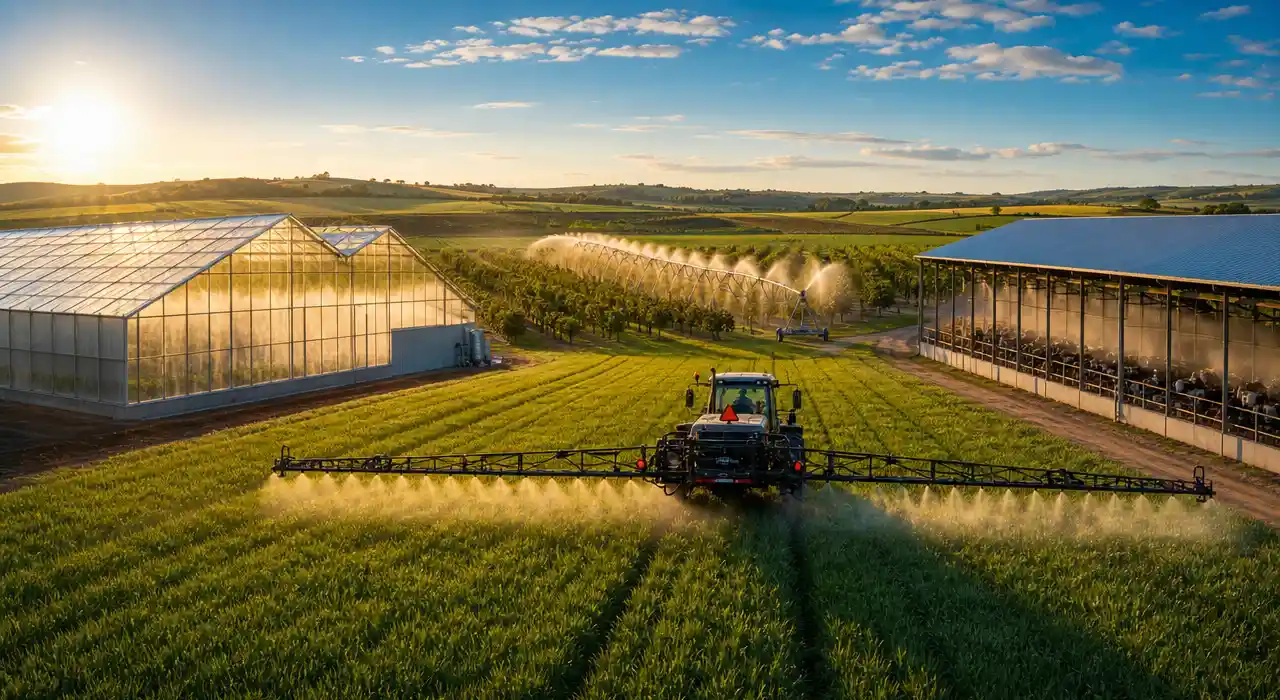
Application of pesticides, herbicides, and fertilizers to crops, orchards, and vineyards. Uniform coverage and controlled droplet size are essential for effective pest control and crop health.
Associated Industries: Agriculture
Spraying Challenges:
Recommended Products:
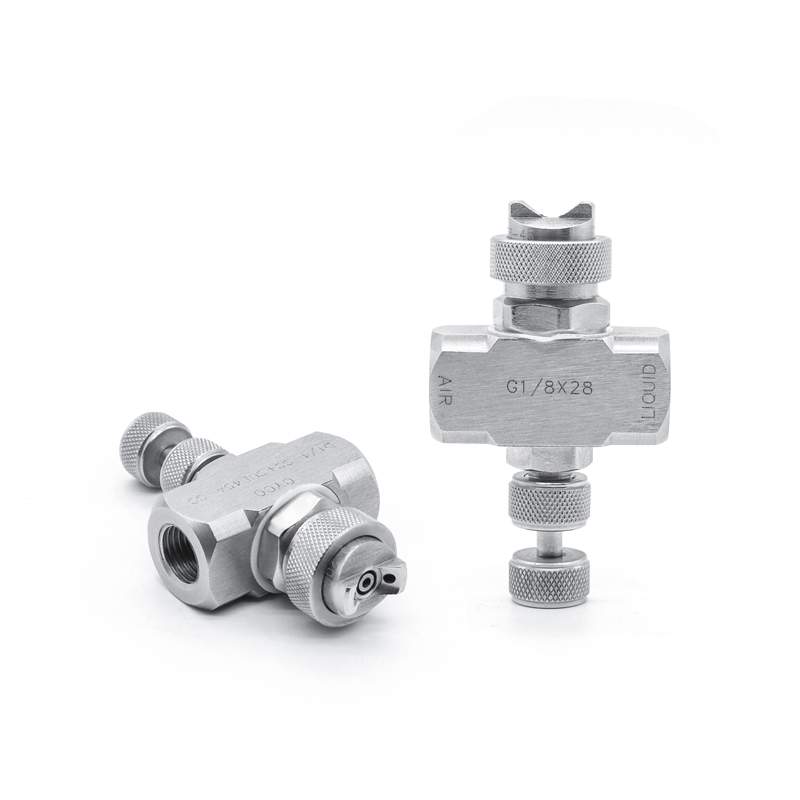 D-1/4-303SS Air Atomizing (99) – fine mist, 0.7–4 bar
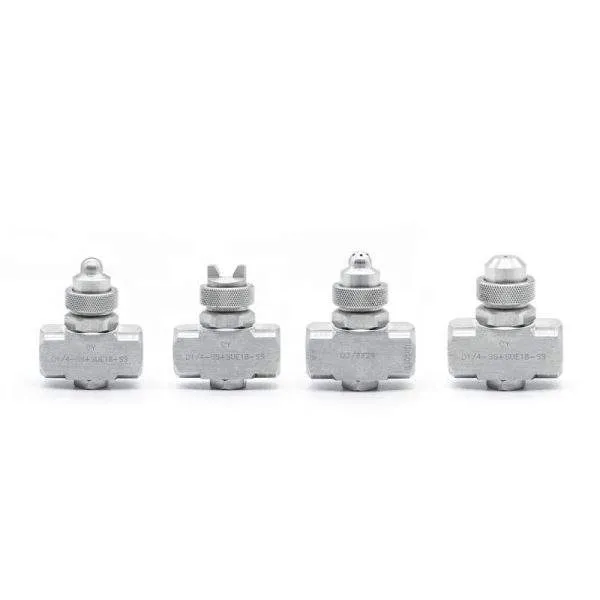 D Series Air Atomizing (100) – adjustable, stainless steel
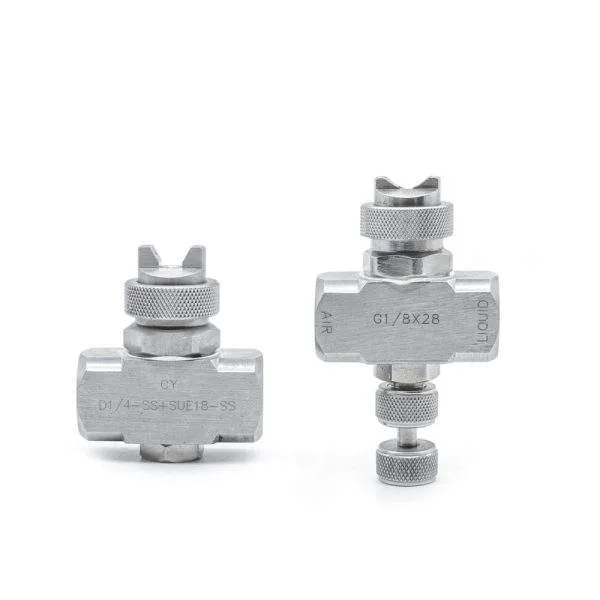 -123 Adjustable (107) – wide capacity, efficient
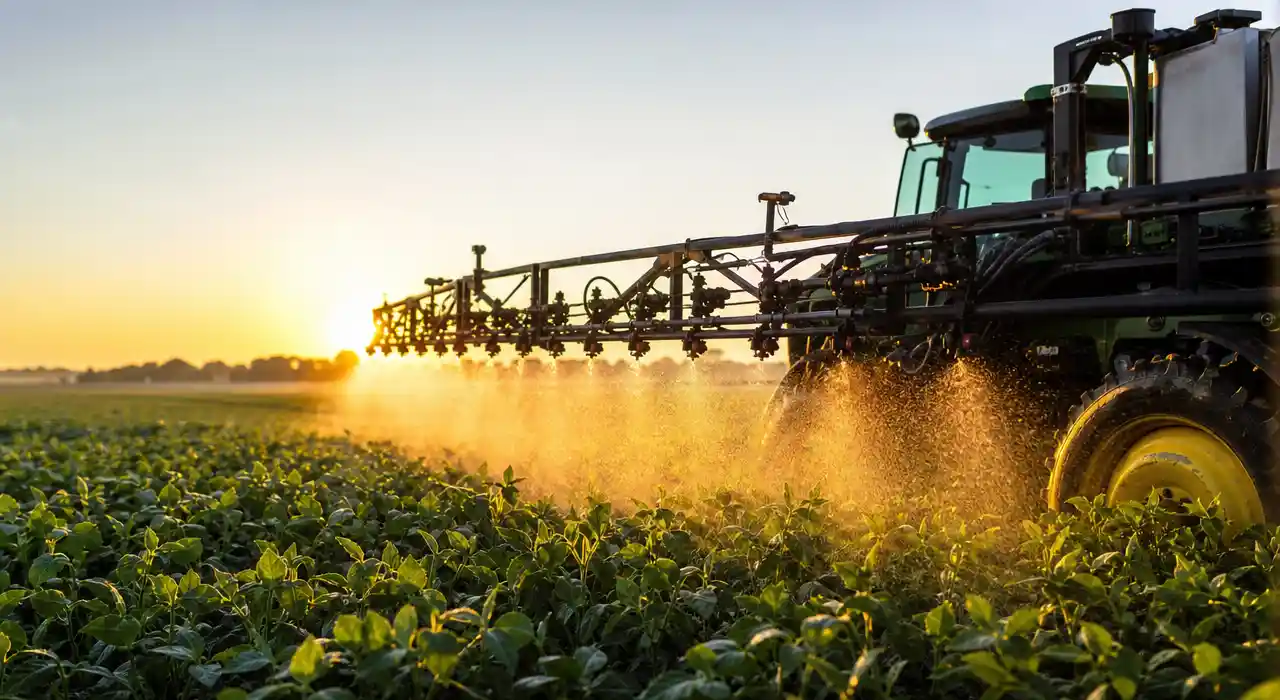
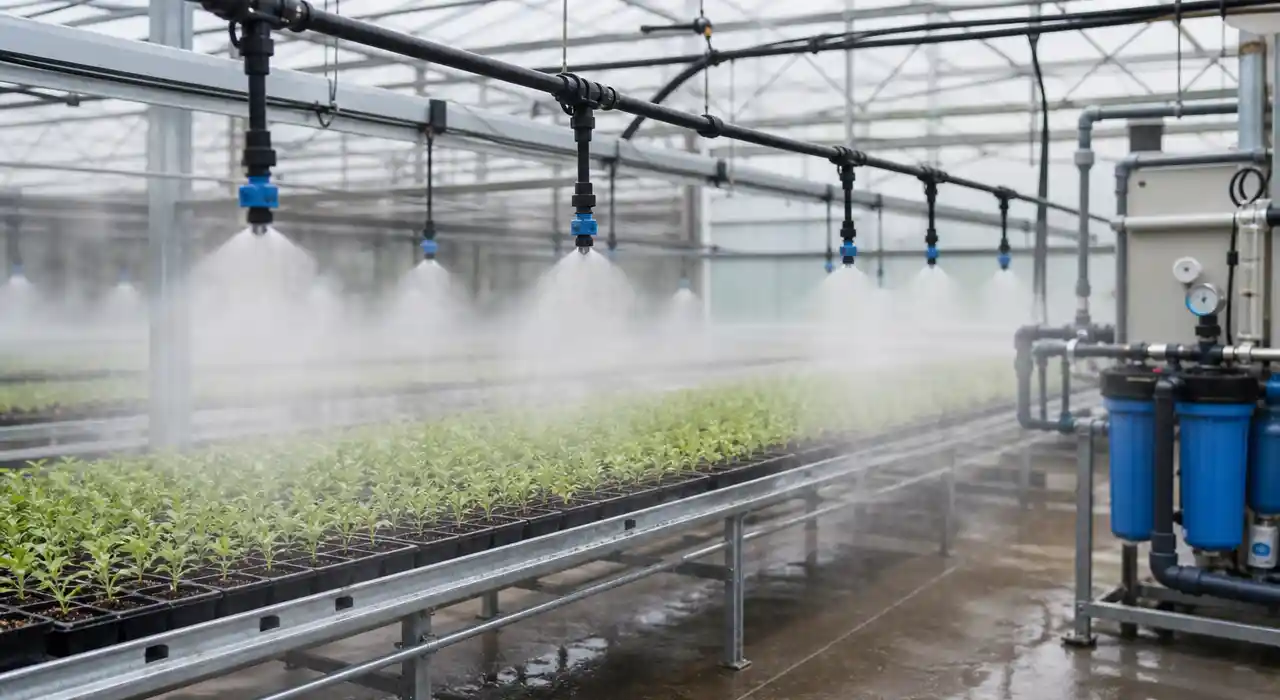
Fine mist irrigation for greenhouses, nurseries, and speciality crop cultivation. Gentle, uniform misting provides optimal moisture without damaging delicate plants.
Associated Industries: Agriculture
Irrigation Challenges:
Recommended Products:
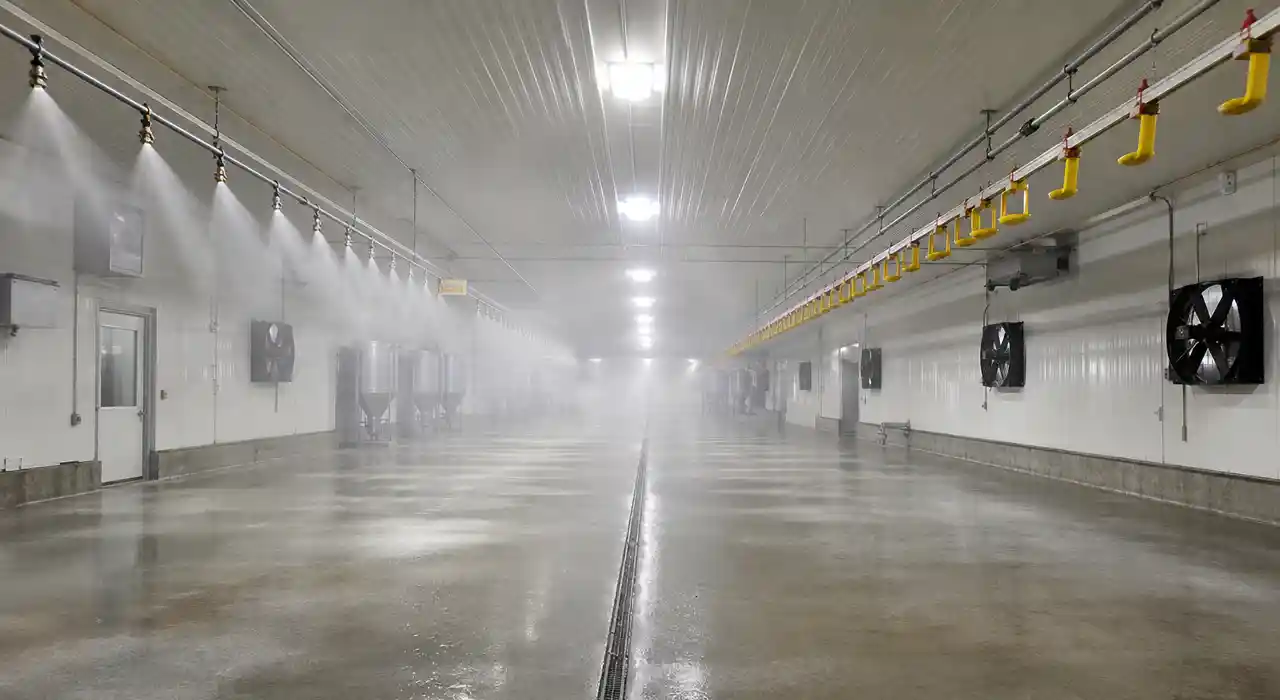
Disinfection of livestock facilities, poultry houses, and animal transport vehicles to prevent disease spread. Effective disinfection protects animal health and biosecurity.
Associated Industries: Agriculture
Disinfection Challenges:
Recommended Products:
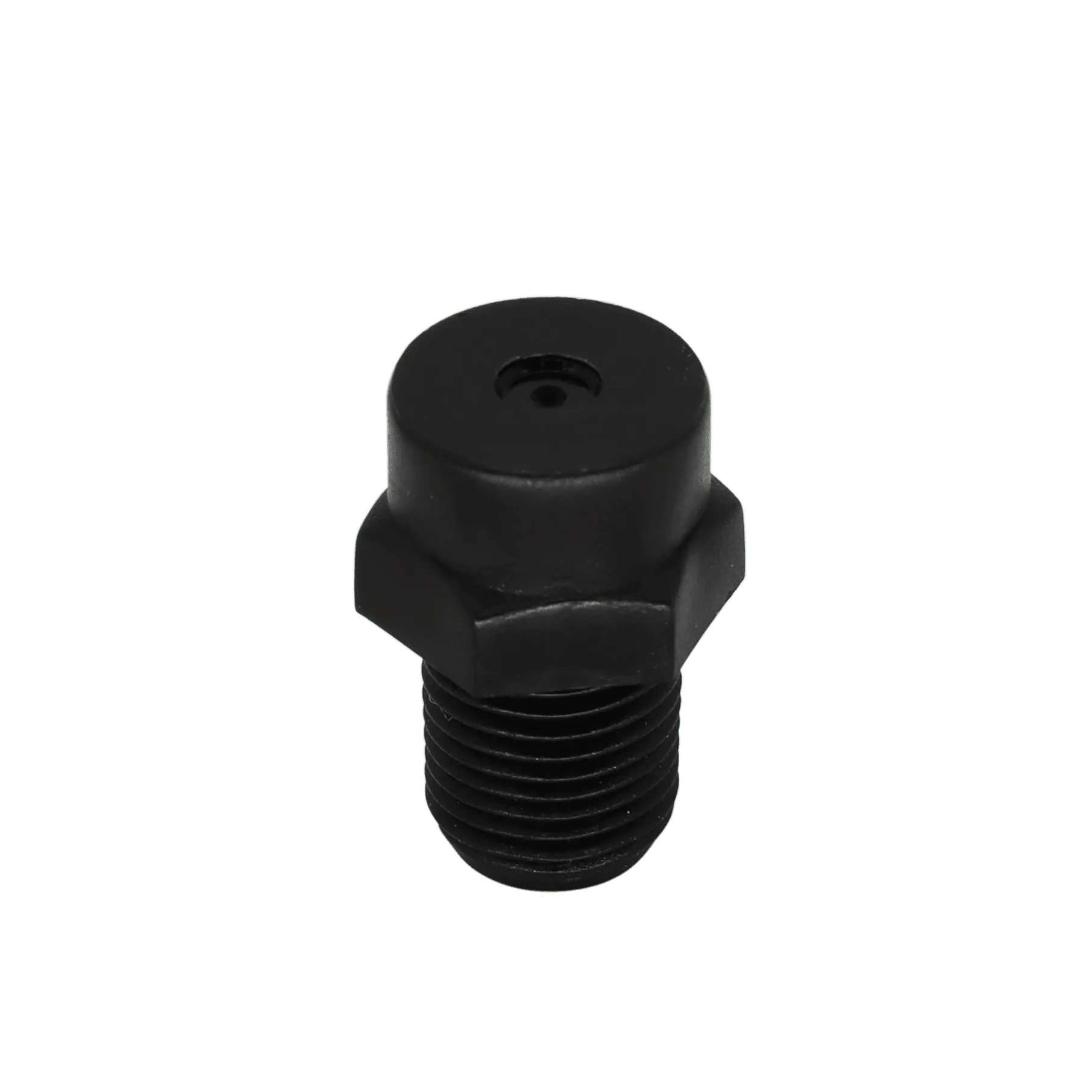 CYC-001 Plastic Misting (95) – 20-40μm, anti-clog
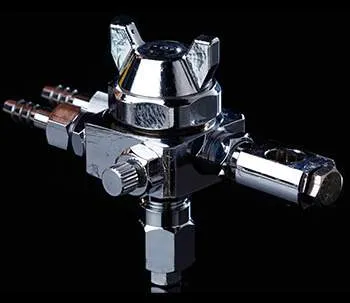 DK Automatic Air Atomizing (106) – 2.8–179 L/H, flat fan
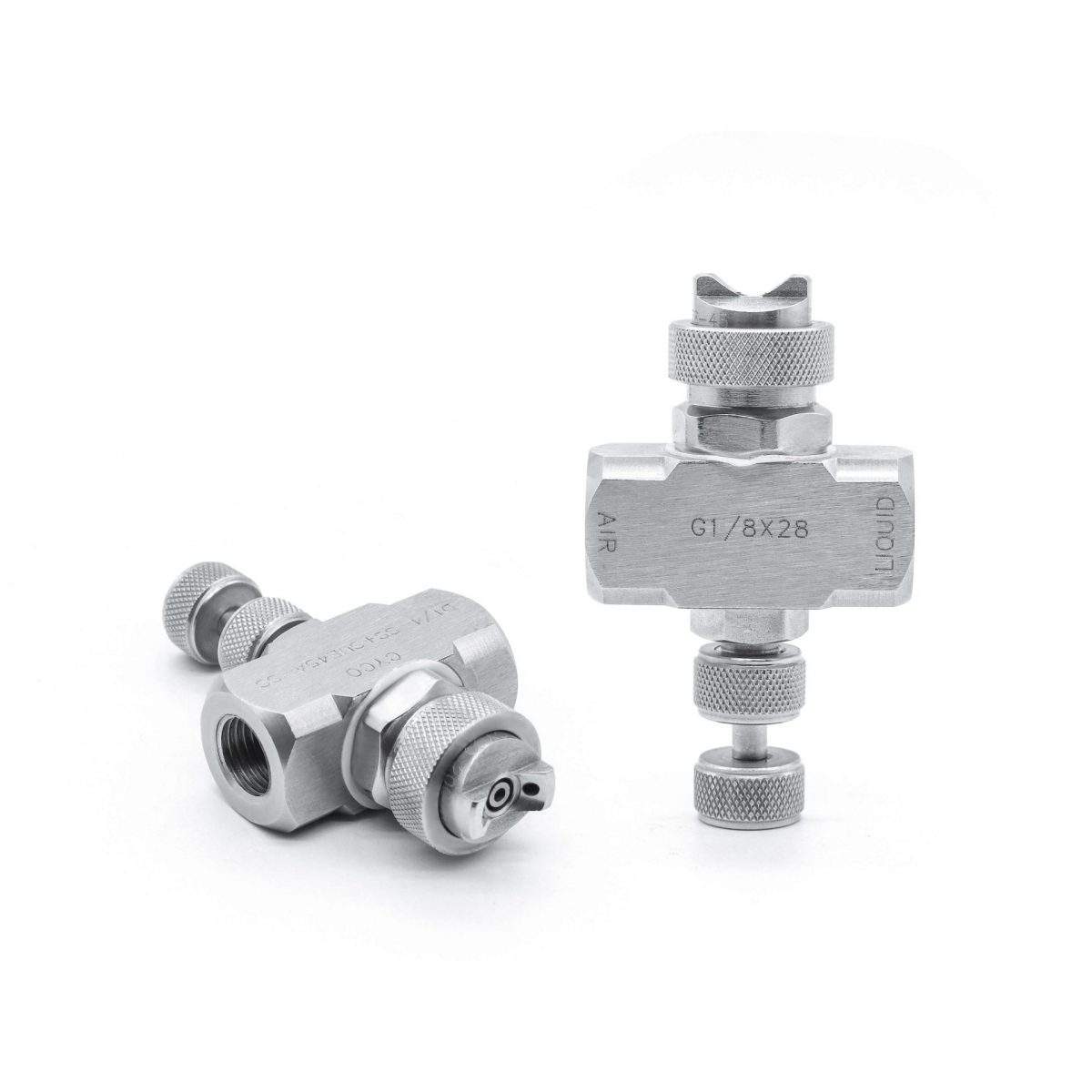 Adjustable Air Atomizing (150) – precise control, SS/Brass
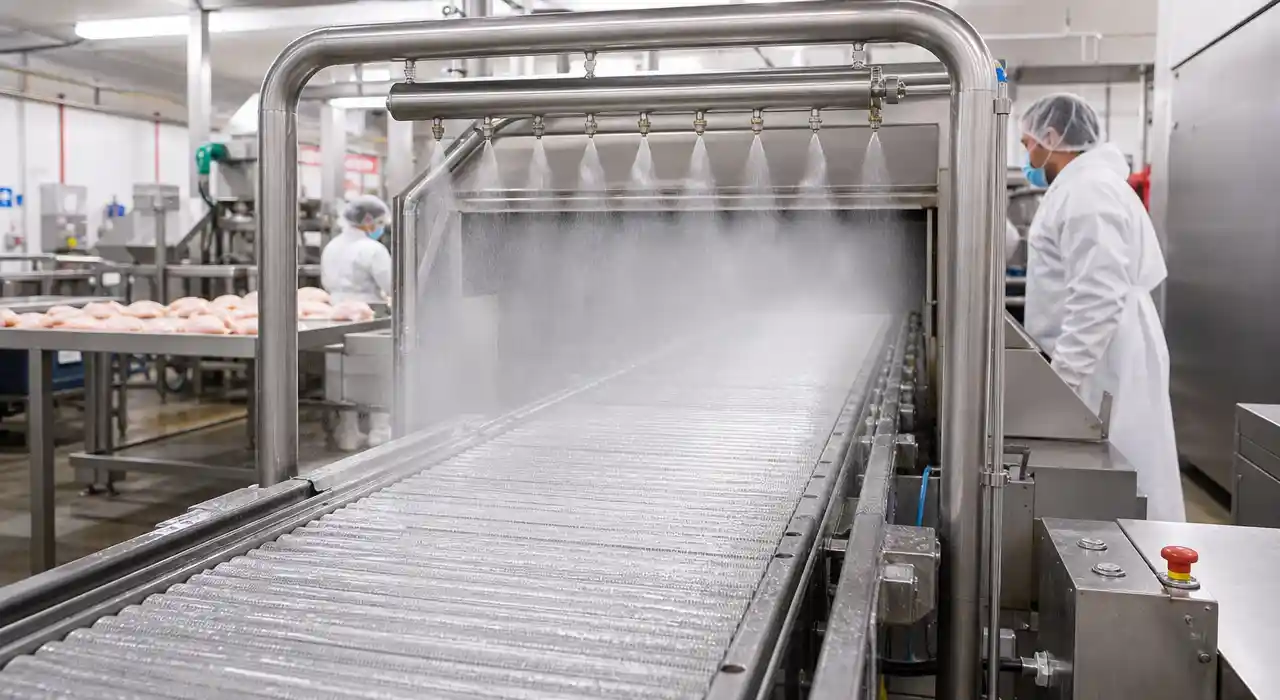
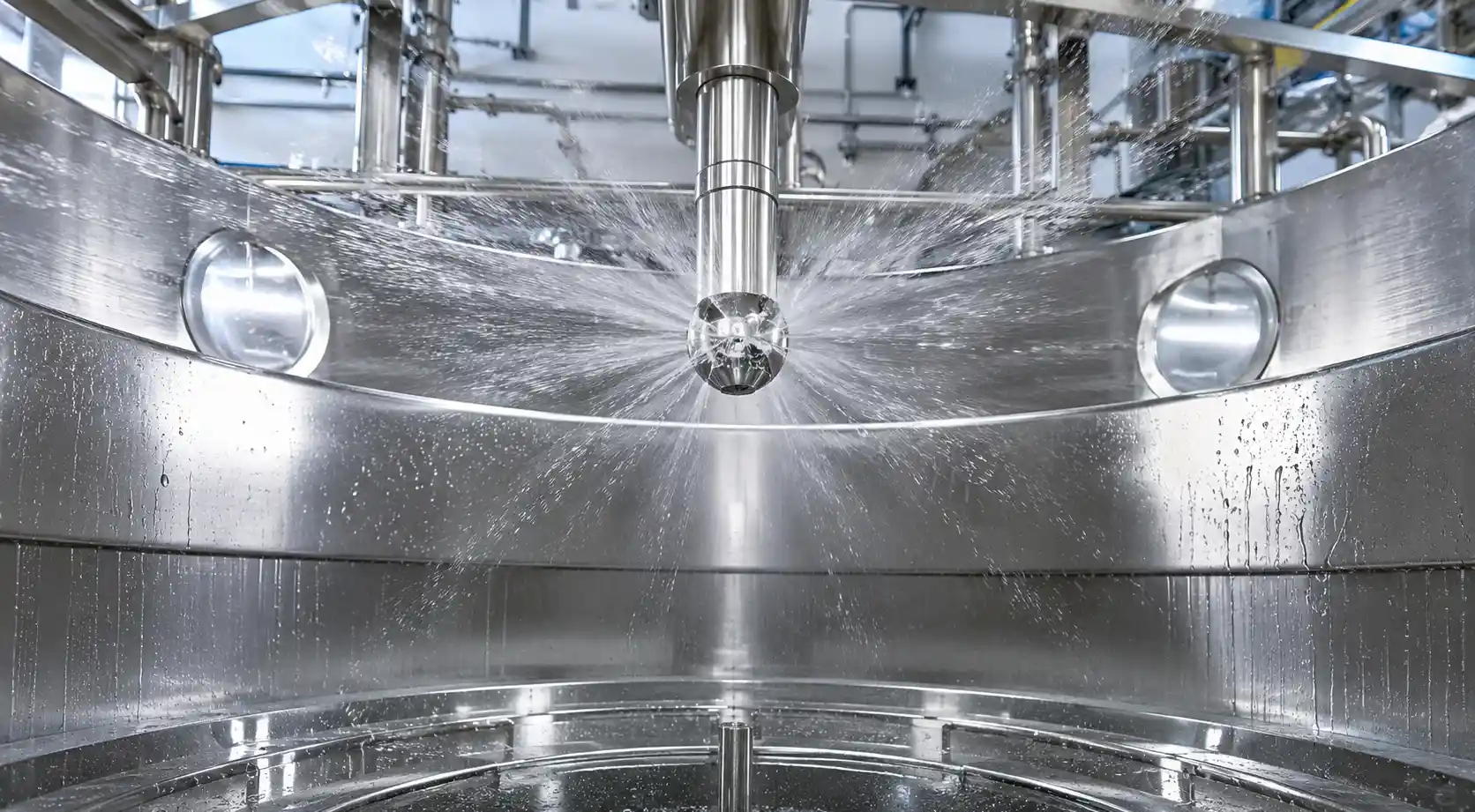
Sanitizing of food processing conveyors and contact surfaces to maintain hygiene standards. Effective disinfection prevents bacterial growth and cross-contamination.
Associated Industries: Food & Beverage
Disinfection Challenges:
Recommended Products:
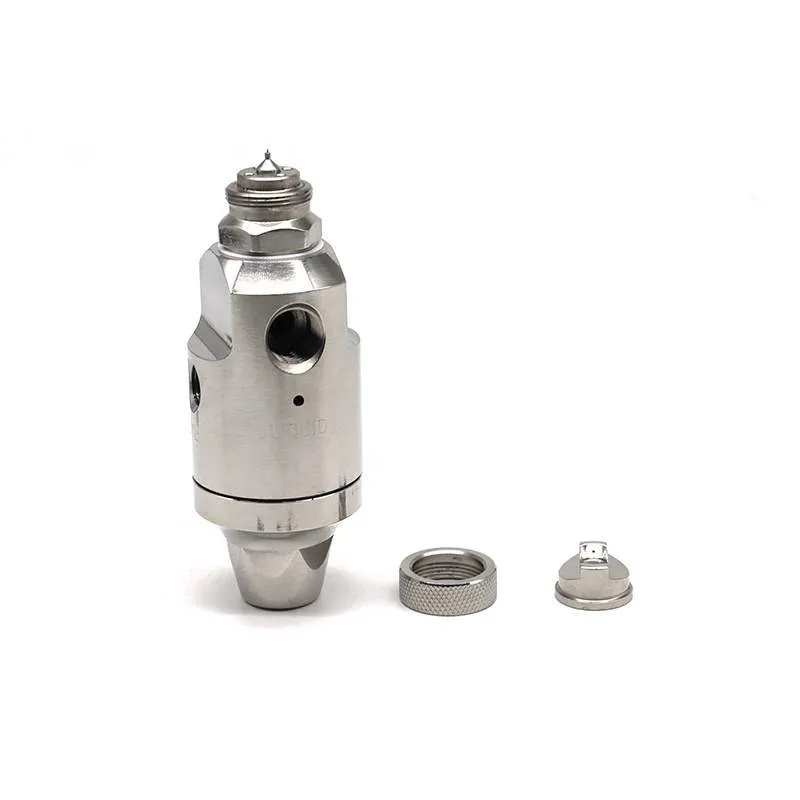 DJ Fine Misting (101) – 10°–70°, stainless steel
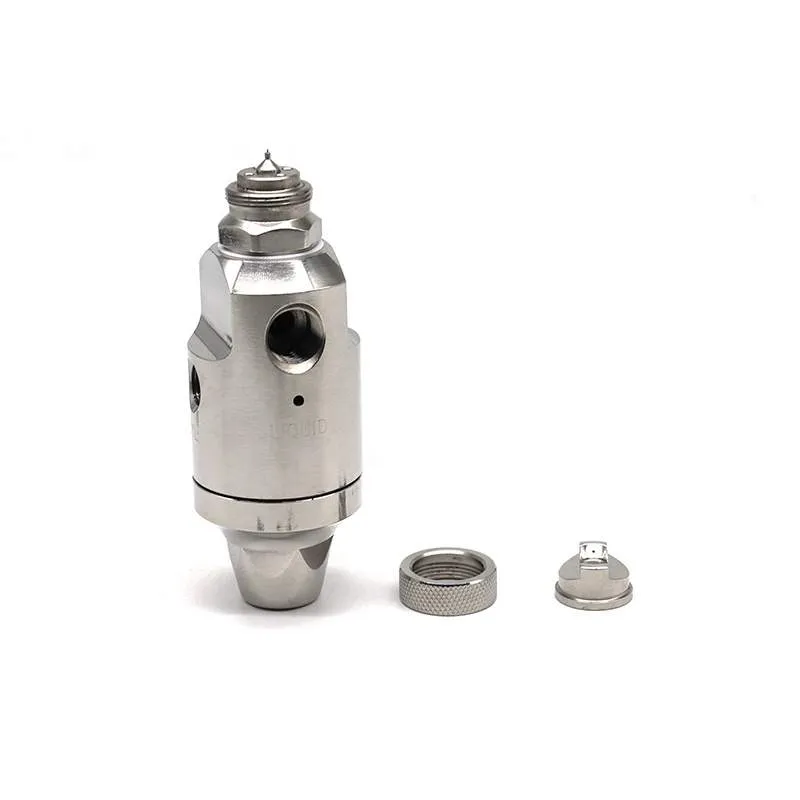 DJ Automatic Air Atomizing (151) – fine mist, 0.7–4 bar
DK Automatic Air Atomizing (106) – 2.8–179 L/H, flat fan
DJ Automatic Air Atomizing (151) – fine mist, 0.7–4 bar
DK Automatic Air Atomizing (106) – 2.8–179 L/H, flat fan
Spraying of sterilants and sanitizers on medical equipment, pharmaceutical lines, and food contact surfaces. High-purity materials and precise application ensure safety and effectiveness.
Associated Industries: Pharmaceutical · Food
Sterilization Challenges:
Recommended Products:
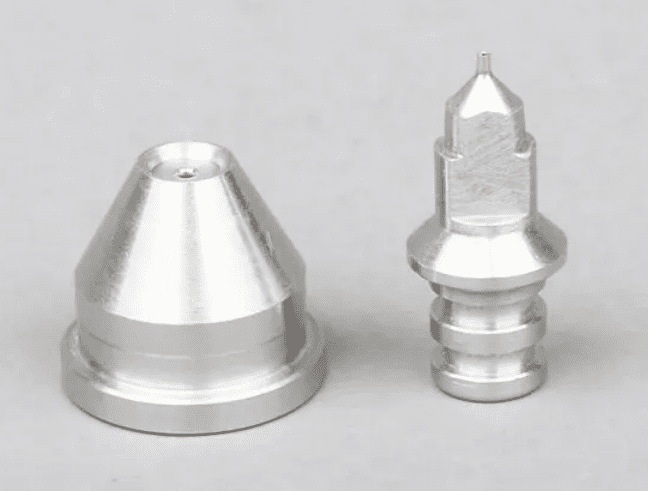 ADG Ultrasonic Atomizing (94) – 1-10μm, 316SS
D-1/4-303SS Air Atomizing (99) – fine mist, 0.7–4 bar
ADG Ultrasonic Atomizing (94) – 1-10μm, 316SS
D-1/4-303SS Air Atomizing (99) – fine mist, 0.7–4 bar
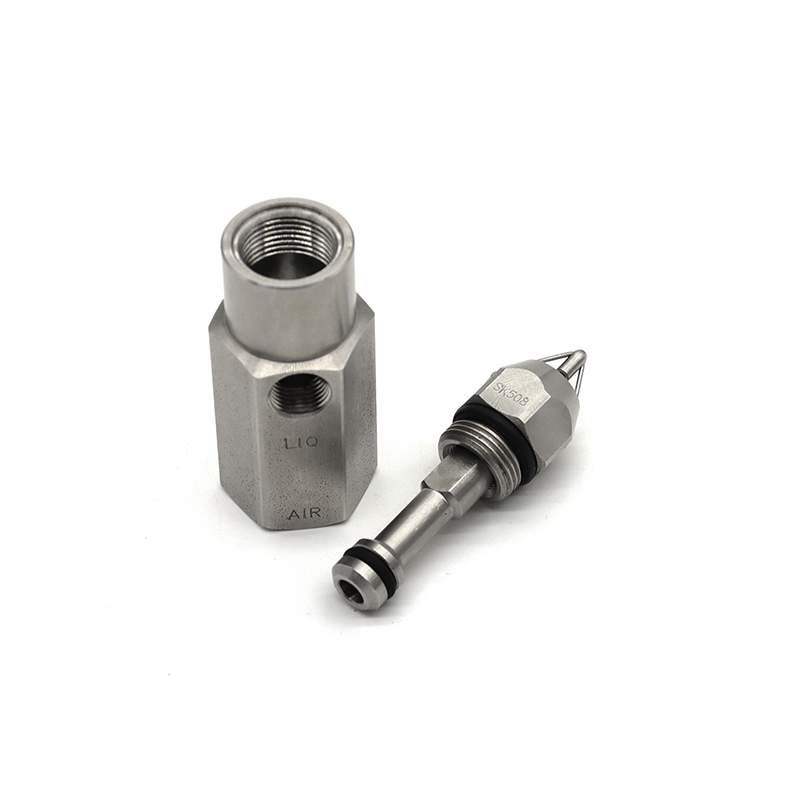 SK508 Ultrasonic (102) – 18-35μm, 303SS
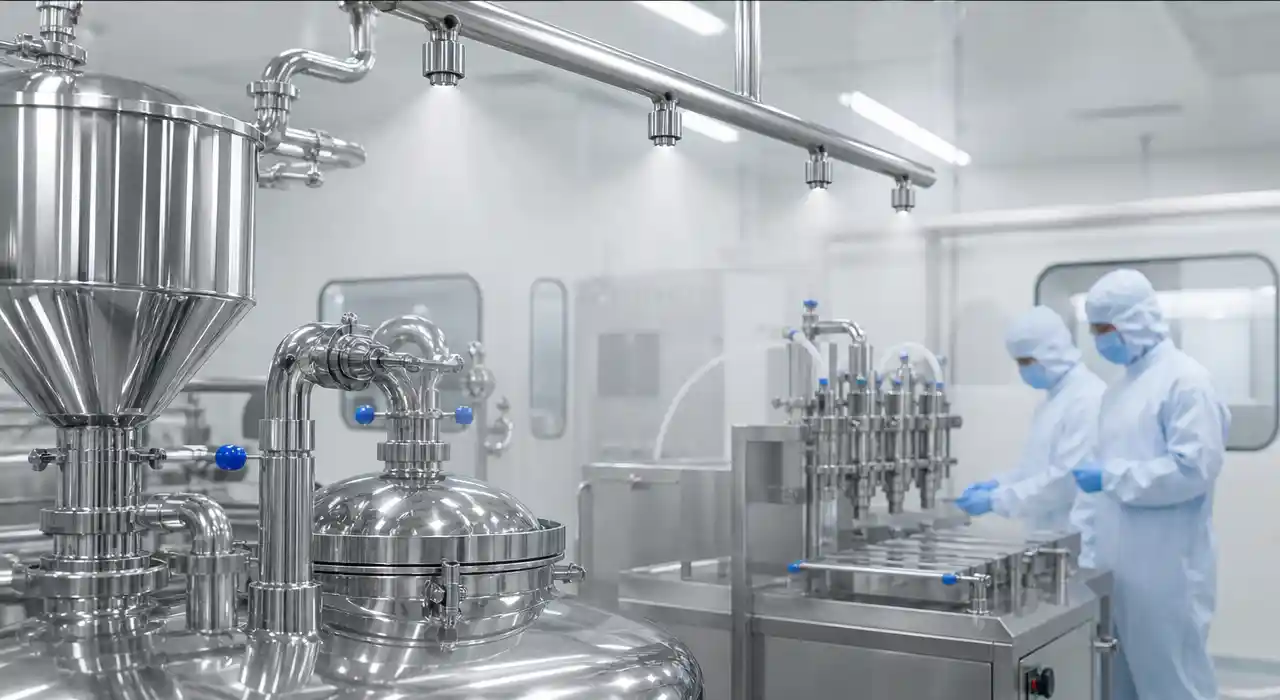
Explore agriculture and disinfection nozzle solutions specific to your sector
Don't see your industry? View all industries we serve →

For systemic pesticides, 100–200μm droplets. For contact pesticides, 50–100μm for better coverage. Air atomizing nozzles provide finer control.
Use low drift nozzles with larger droplets. Add drift control agents. Spray during calm weather conditions.
Yes, PP or PVDF offer good chemical resistance. However, for high‑pressure or abrasive disinfectants, use stainless steel.
After each use, flush with clean water. Remove and soak in cleaning solution weekly to prevent biofilm buildup.
Use filtered water with particles < 50μm. Install a 100–200 mesh strainer upstream to prevent clogging, especially for fine mist nozzles.
Adjust flow rate and droplet size to achieve proper coverage. For livestock disinfection, ensure 5–10 minutes of wet contact time. Use slower traverse speeds for vehicle disinfection.
20+ Years Engineering Experience – Free Consultation