


Customer pain: Inconsistent product quality from uneven coating.
Requirement: Precise flow control, uniform spray pattern.

Precision nozzles for release agent spraying, oil spraying, wax coating, food additives, and lubrication. Air atomizing and hydraulic nozzles for uniform, controlled applications.
Customer pain: Inconsistent product quality from uneven coating.
Requirement: Precise flow control, uniform spray pattern.
Customer pain: Clogging and inconsistent atomization.
Requirement: Siphon or pressure-fed design, large passages.
Customer pain: Food safety and hygiene requirements.
Requirement: Stainless steel, FDA-compliant materials.
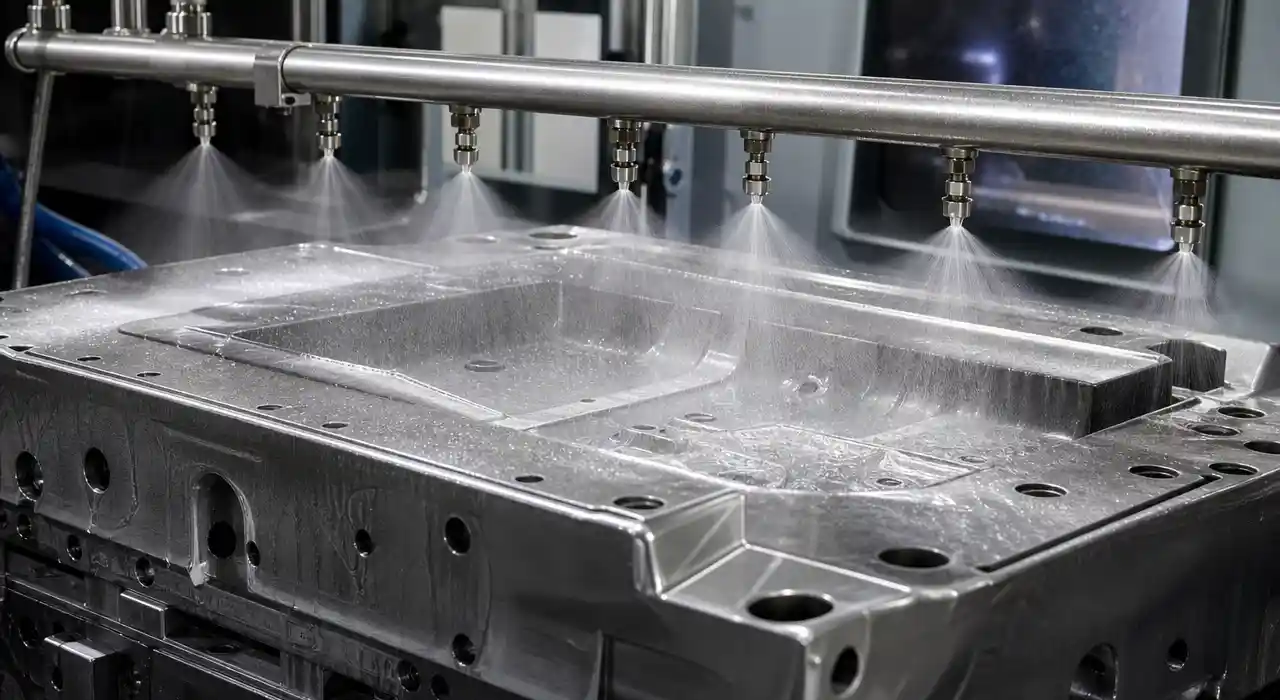
Uniform application of release agents to molds, dies, and baking pans to prevent sticking. Precise spraying ensures even release agent distribution without overspray or pooling.
Associated Industries: Automotive · Food
Spraying Challenges:
Recommended Products:
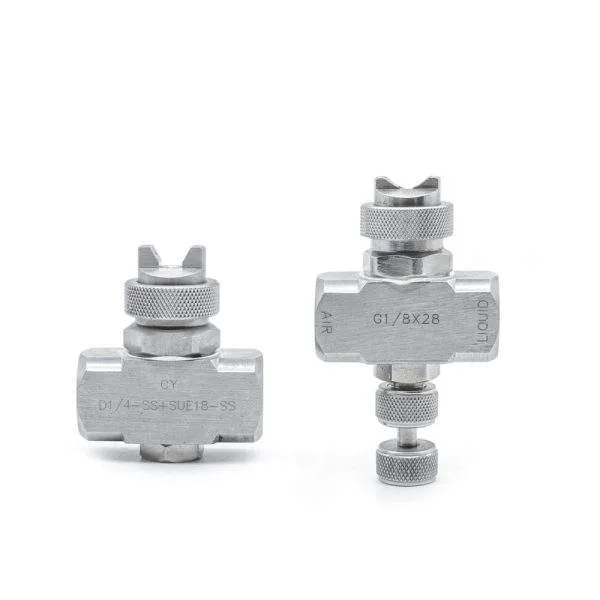 CYCO-123 Adjustable (107) – wide capacity, efficient
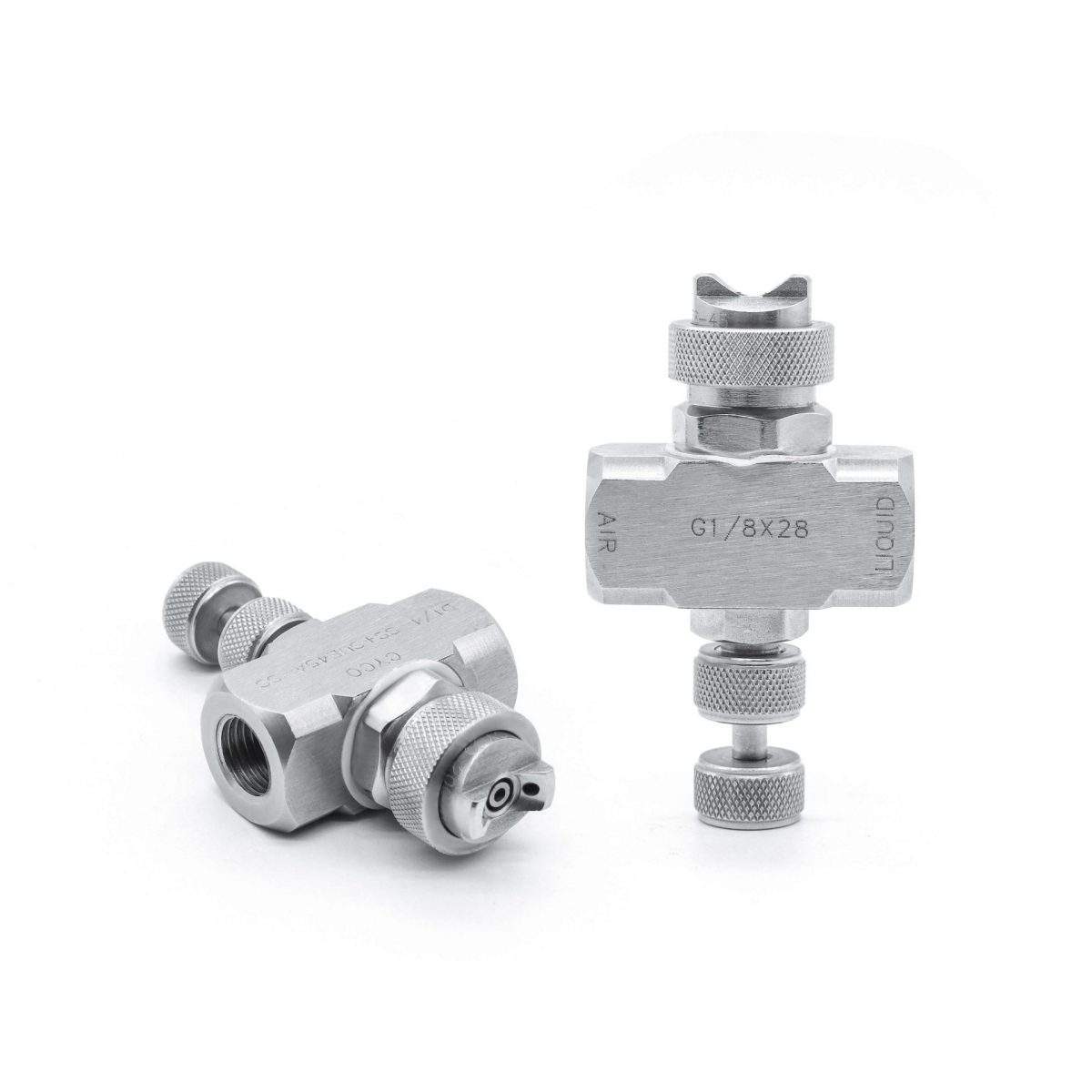 Adjustable Air Atomizing (150) – precise control, SS/Brass
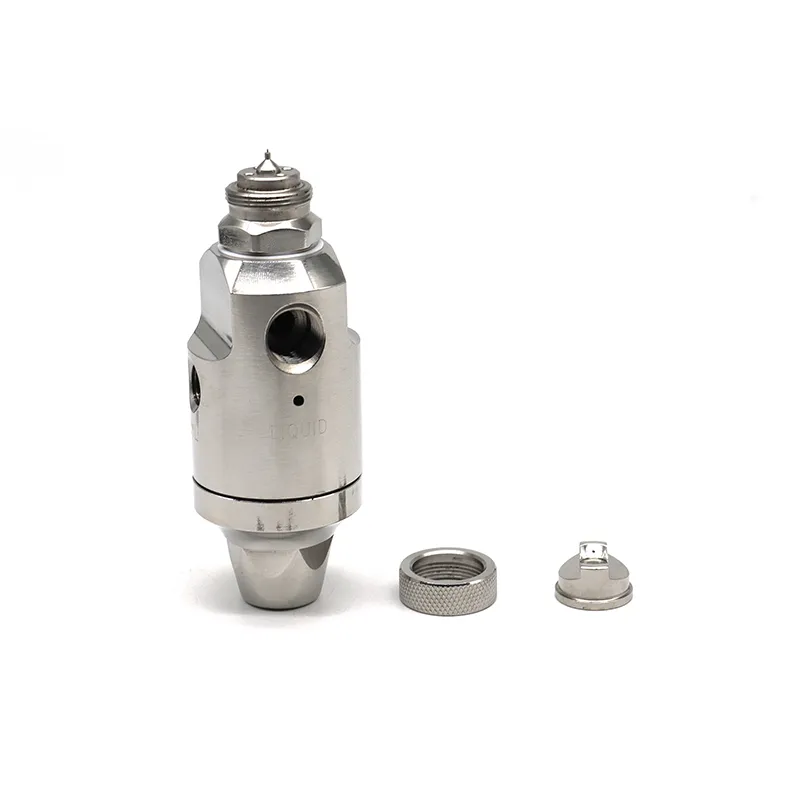 SUE15B Air Cap (104) – fan pattern, adjustable
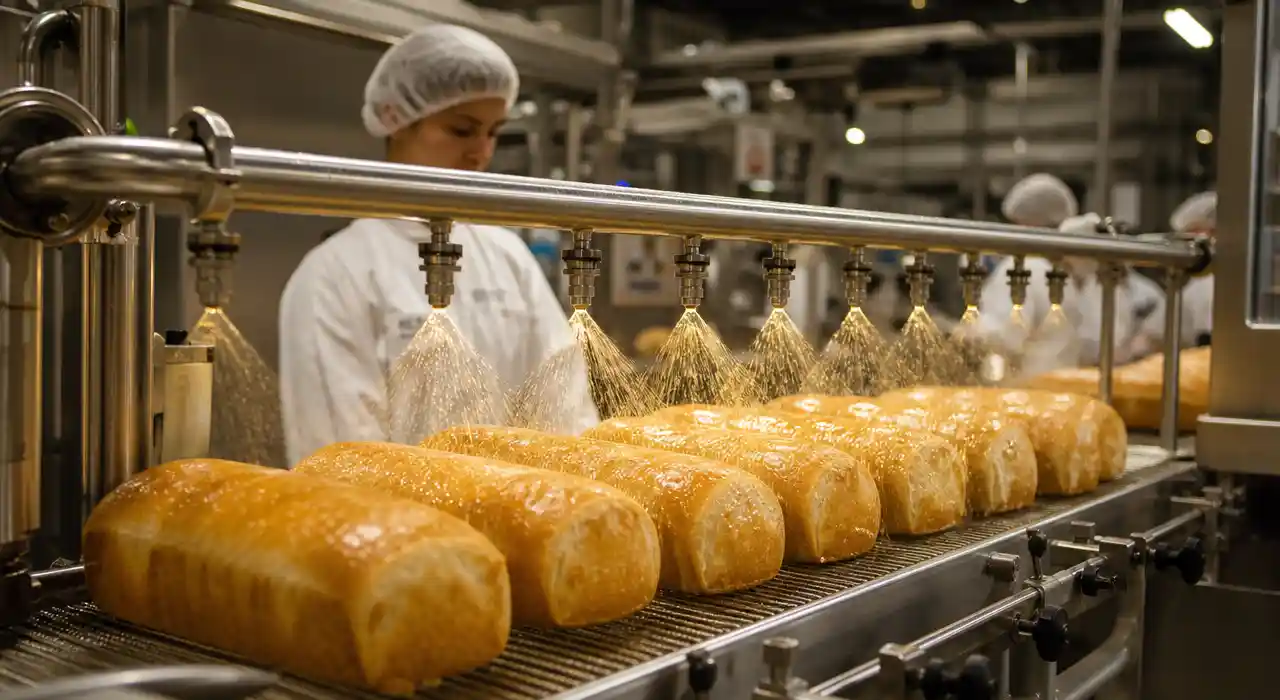
Application of cooking oils, lubricating oils, and anti-corrosion oils to products and surfaces. Consistent oil application improves product quality and prevents sticking or corrosion.
Associated Industries: Food · Steel
Spraying Challenges:
Recommended Products:
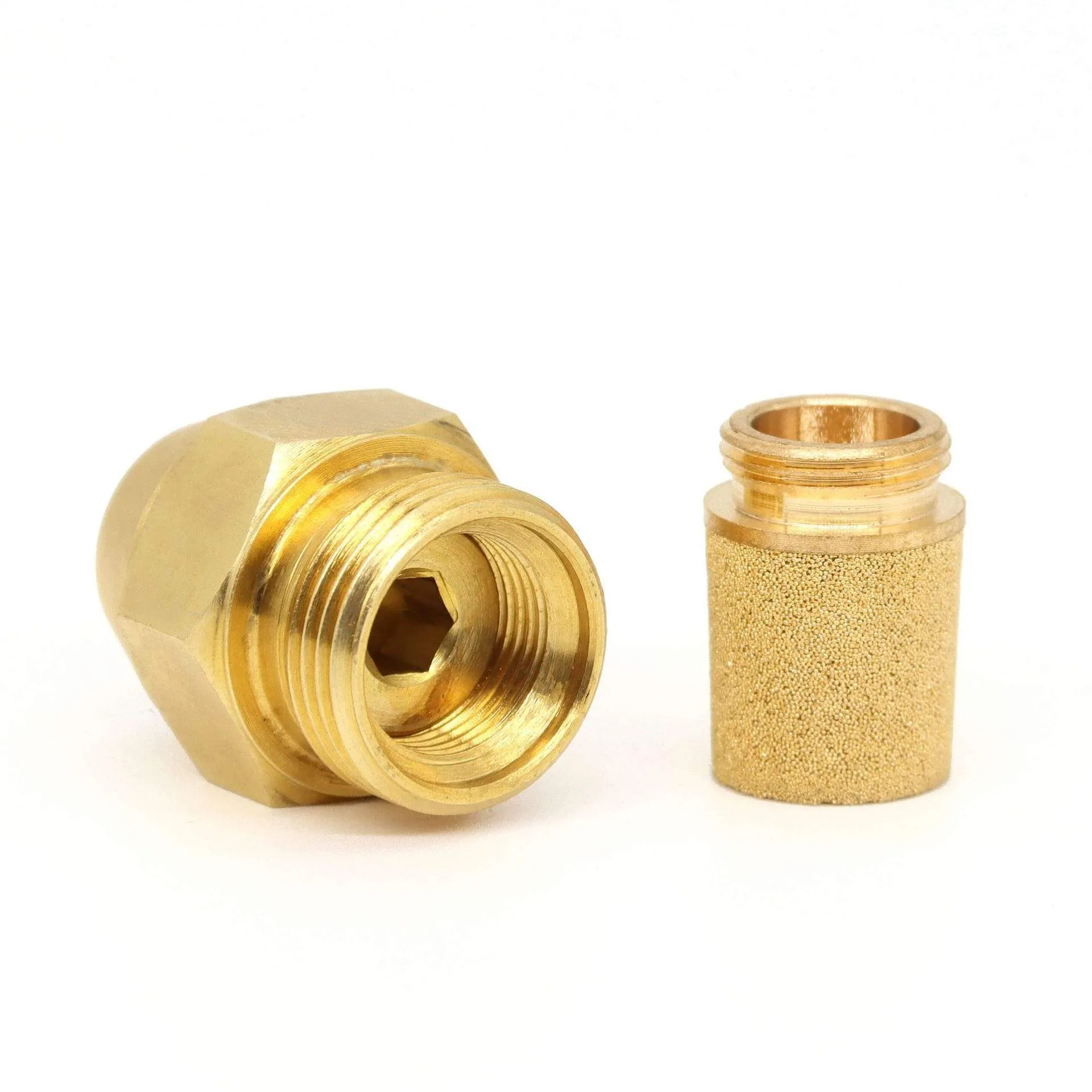 OD1.75 Fuel Oil Burner (97) – solid cone, clog-free
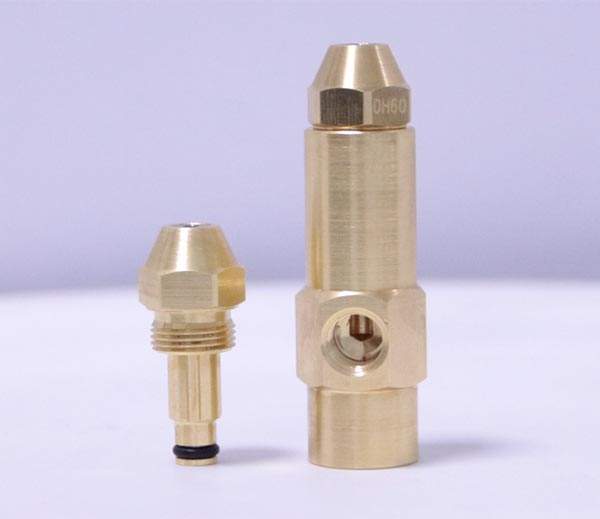 MK-04 Siphon Oil Nozzle (115) – fine atomization, low pressure
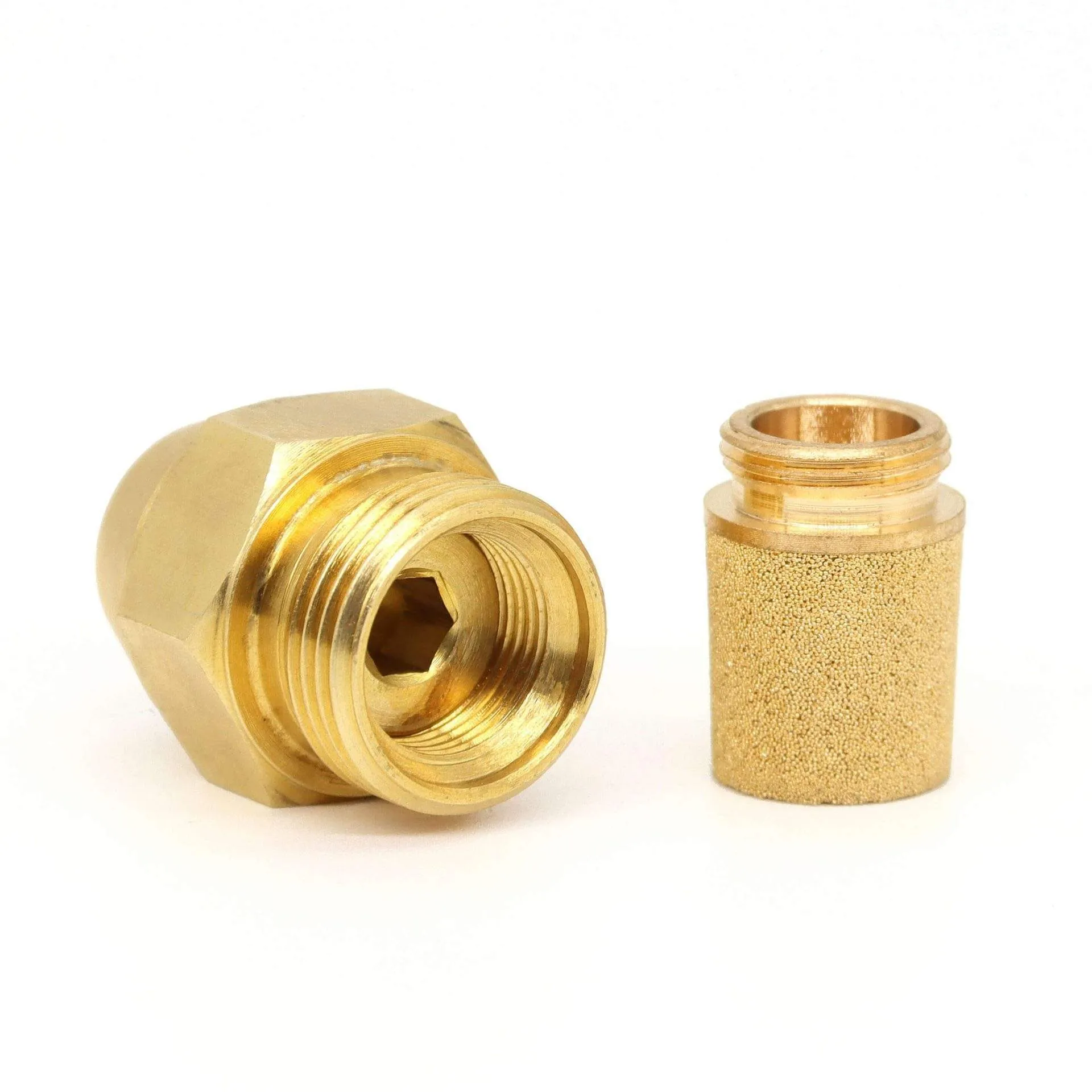 OD Fuel Oil Burner (116) – 30°–80°, solid cone
Application of wax coatings to fruits, vegetables, and food products for preservation and appearance. Wax coatings extend shelf life by reducing moisture loss and providing a protective barrier.
Associated Industries: Food ·
Spraying Challenges:
Recommended Products:
CYCO-123 Adjustable (107) – wide capacity, efficient
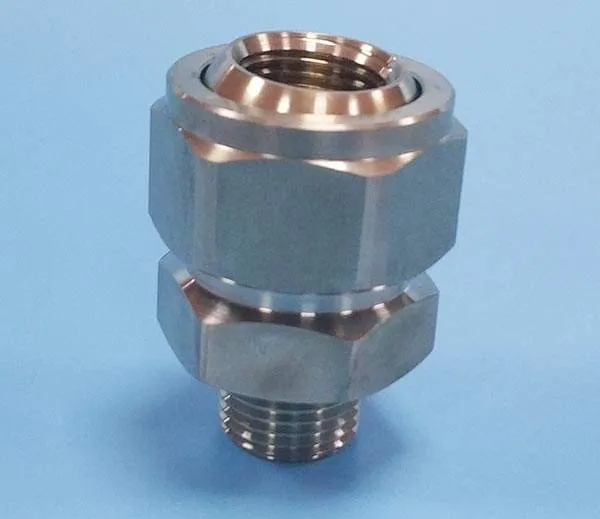 155RS Adjustable Spray (69) – 303/316, tool-free
SUE15B Air Cap (104) – fan pattern, adjustable
155RS Adjustable Spray (69) – 303/316, tool-free
SUE15B Air Cap (104) – fan pattern, adjustable


Precision spraying of food additives, flavors, and preservatives on food products. Accurate dosing ensures consistent product taste, appearance, and shelf life.
Associated Industries: Food & Beverage
Spraying Challenges:
Recommended Products:
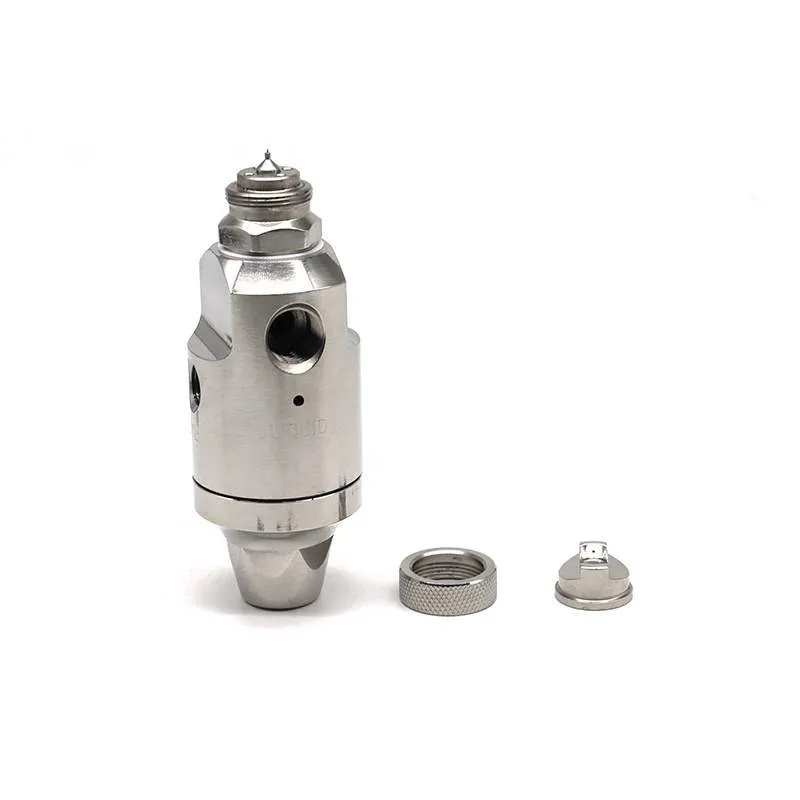 DJ Fine Misting (101) – 10°–70°, stainless steel
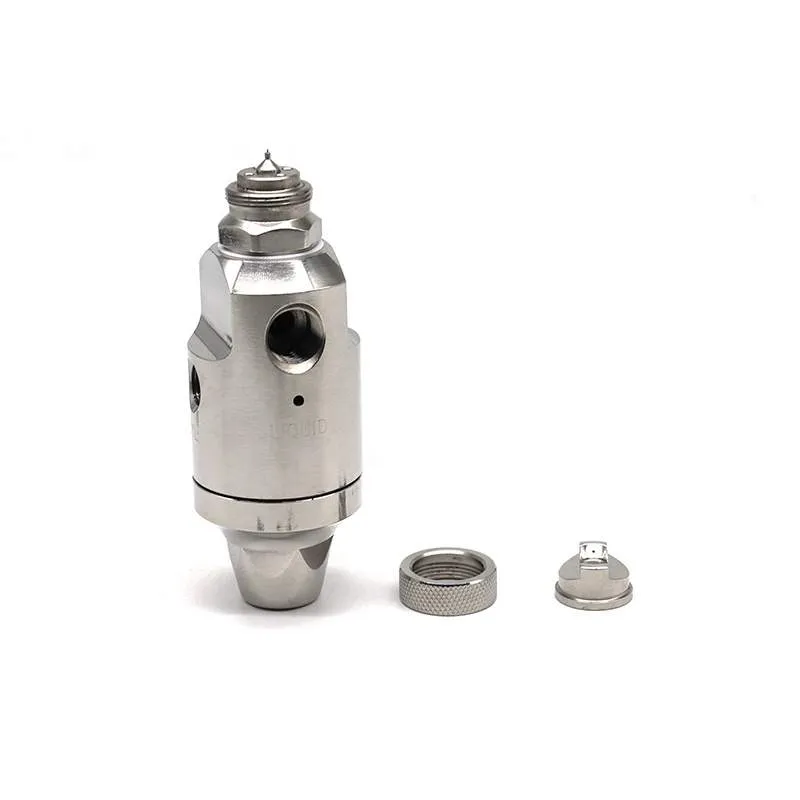 DJ Automatic Air Atomizing (151) – fine mist, 0.7–4 bar
SUE15B Air Cap (104) – fan pattern, adjustable
DJ Automatic Air Atomizing (151) – fine mist, 0.7–4 bar
SUE15B Air Cap (104) – fan pattern, adjustable
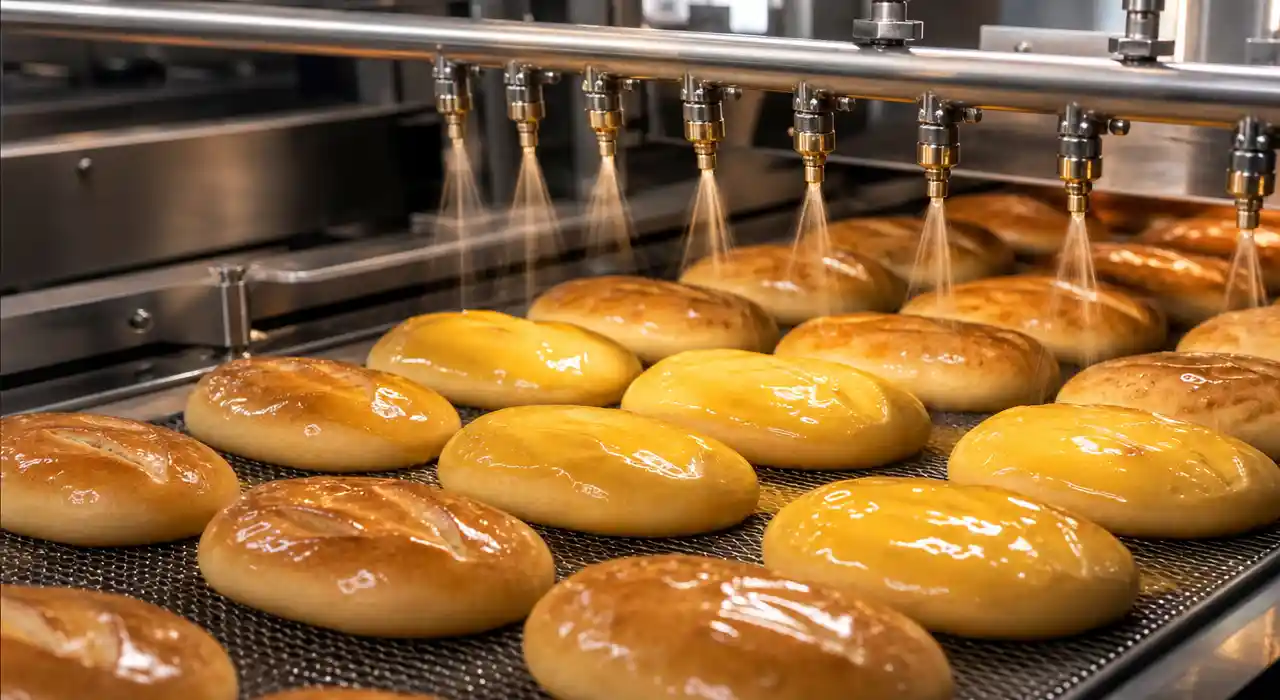
Application of glazes, egg washes, and sugar solutions to bakery and confectionery products. Uniform glazing improves product appearance, flavor, and texture.
Associated Industries: Food & Beverage
Spraying Challenges:
Recommended Products:
DJ Fine Misting (101) – 10°–70°, stainless steel
CYCO-123 Adjustable (107) – wide capacity, efficient
DJ Automatic Air Atomizing (151) – fine mist, 0.7–4 bar
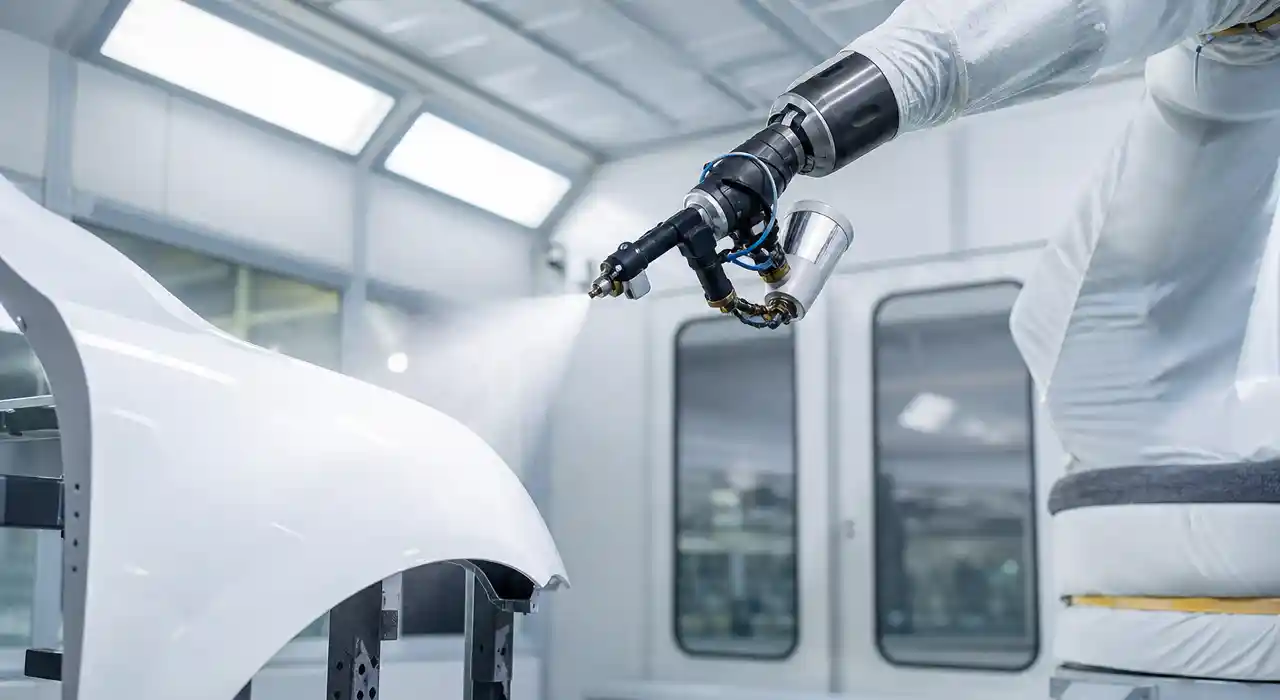
Precision paint application for automotive, industrial, and product finishing. Consistent spray quality ensures uniform color, gloss, and film thickness.
Associated Industries: Automotive ·
Spraying Challenges:
Recommended Products:
SUE15B Air Cap (104) – fan pattern, adjustable
Adjustable Air Atomizing (150) – precise control, SS/Brass
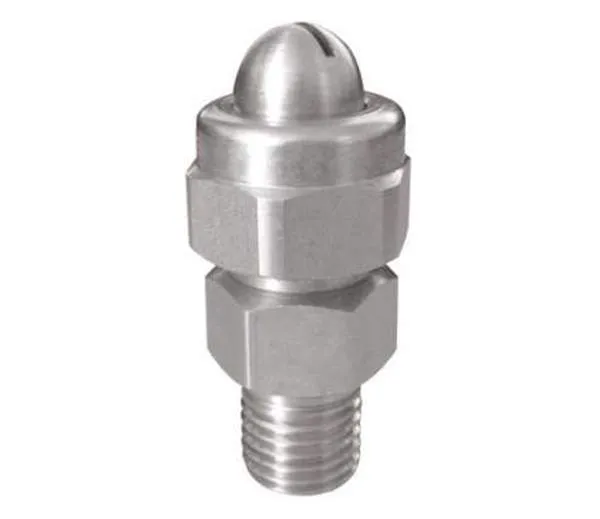 K1 Air Absorption Flat Fan (73) – air/steam, uniform
Application of anti-corrosion oils and rust preventatives to metal products. Continuous, uniform coating protects parts during storage and transport.
Associated Industries: Steel · Automotive
Spraying Challenges:
Recommended Products:
OD1.75 Fuel Oil Burner (97) – solid cone, clog-free
MK-04 Siphon Oil Nozzle (115) – fine atomization, low pressure
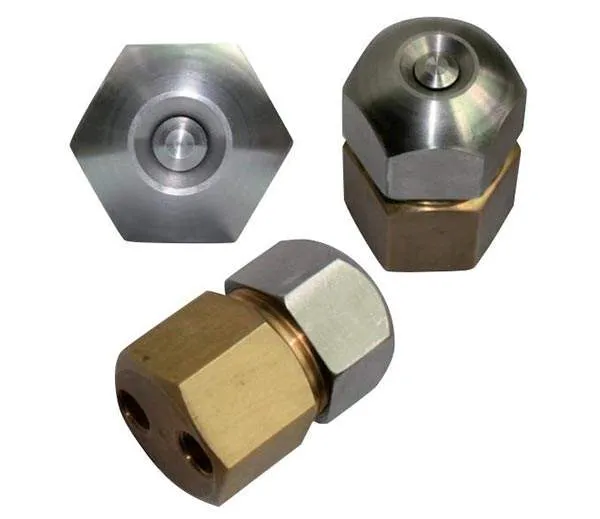 OD Oil Burner Nozzle (109) – 30°–80°, solid/hollow cone
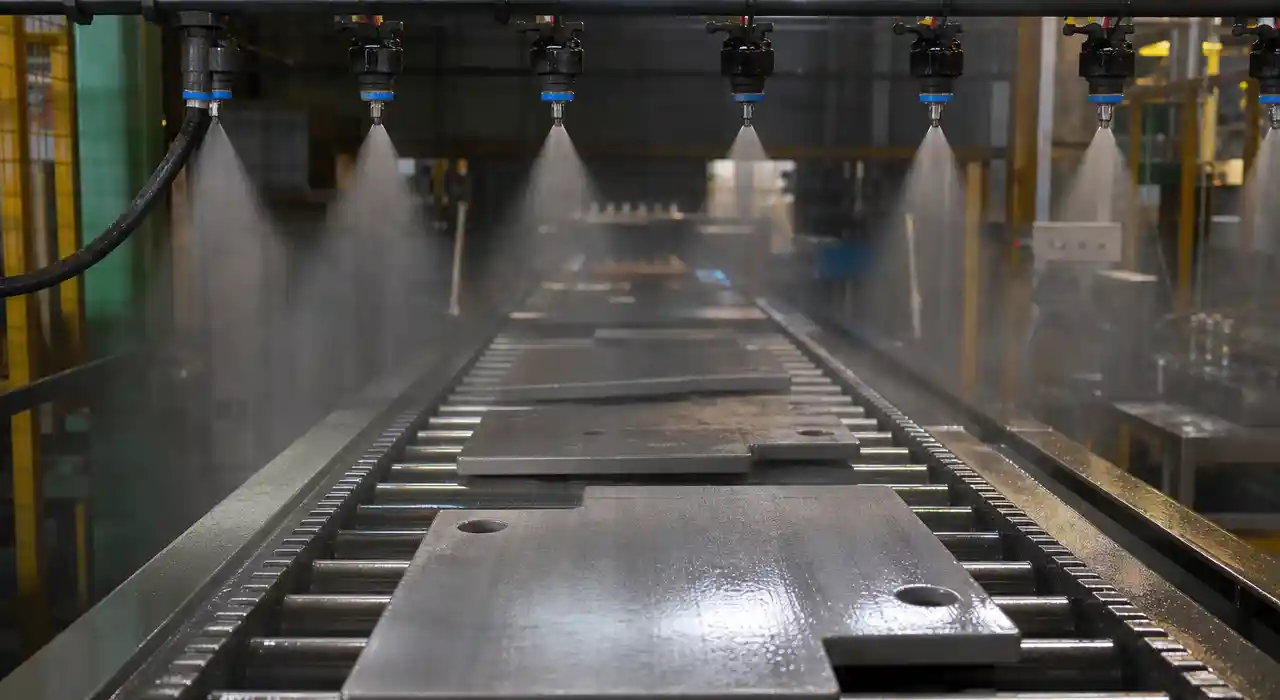
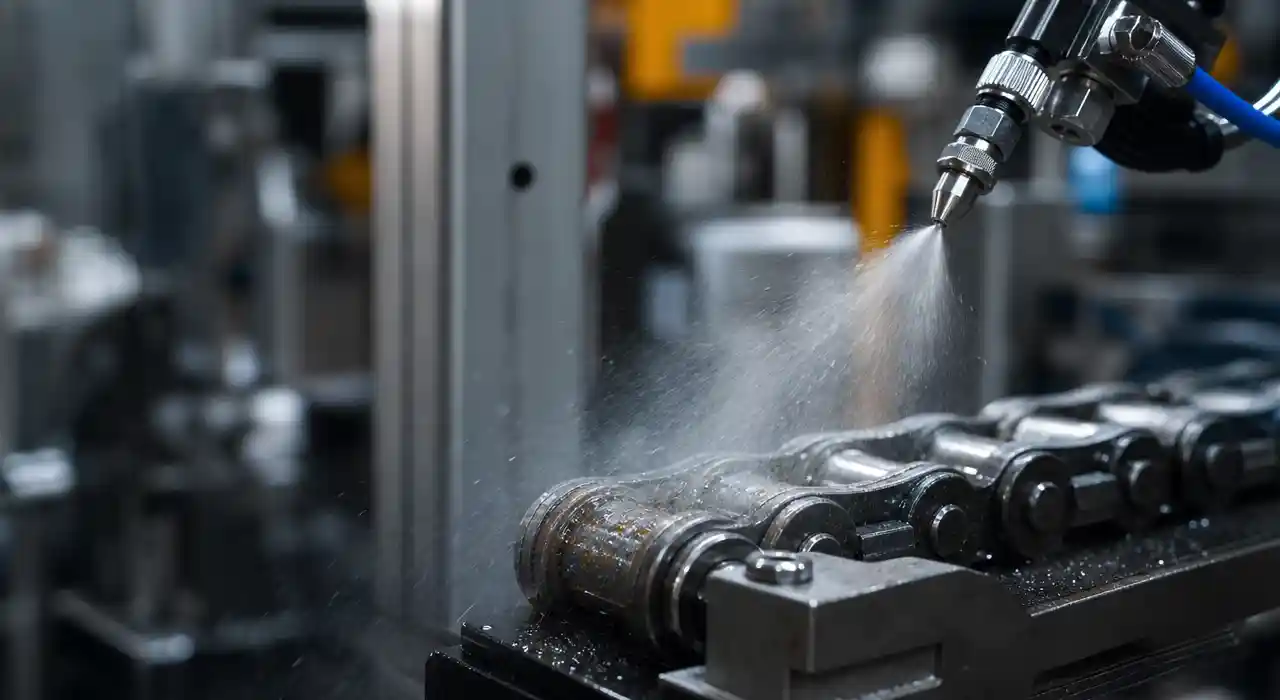
Precision application of lubricants to machinery, bearings, and conveyor systems. Proper lubrication reduces wear, extends equipment life, and improves efficiency.
Associated Industries: Automotive
Spraying Challenges:
Recommended Products:
CYCO-123 Adjustable (107) – wide capacity, efficient
Adjustable Air Atomizing (150) – precise control, SS/Brass
K1 Air Absorption Flat Fan (73) – air/steam, uniform
Explore coating and spraying nozzle solutions specific to your sector

Paint, rust prevention, release agent
Top picks: SUE15B · Adjustable
Learn More →


Don't see your industry? View all industries we serve →

Use air atomizing nozzles with adjustable spray width. Reduce liquid pressure and increase air pressure for finer atomization and better control.
Air atomizing nozzles with flat fan pattern provide even coverage. Adjustable models like CYCO‑123 allow fine tuning for different mold geometries.
Yes, use 316L stainless steel or FDA‑approved materials. Choose siphon‑fed or pressure‑fed designs to handle viscous oils.
Immediately flush with solvent or water. For quick maintenance, use quick‑detach nozzles like the 155RS that can be disassembled without tools.
Use adjustable air atomizing nozzles with precise flow control. Ensure proper nozzle spacing and overlap for even coverage. Use a flow meter for monitoring.
Uneven coating is often due to incorrect nozzle spacing or pressure fluctuations. Check for worn tips, adjust overlap (30–50%), and stabilize supply pressure.
20+ Years Engineering Experience – Free Consultation
