



Chemical Processing Spray Nozzles Manufacturer
Engineered spray nozzle systems for the chemical processing industry. Reliable performance in reactor quenching, gas scrubbing, tank cleaning, evaporative cooling, and absorption towers handling corrosive acids, bases, solvents, and high-temperature process streams.
Industry Overview
The chemical processing industry demands robust spray technology for
safe and efficient production. Modern chemical plants face challenges
including handling highly corrosive materials, controlling exothermic
reactions, meeting environmental emissions standards, and ensuring
intrinsically safe equipment in hazardous areas.
Spray nozzles are essential in chemical reactors for temperature
control and quenching, gas scrubbing systems for removing acidic or
alkaline contaminants, evaporative cooling for process stream
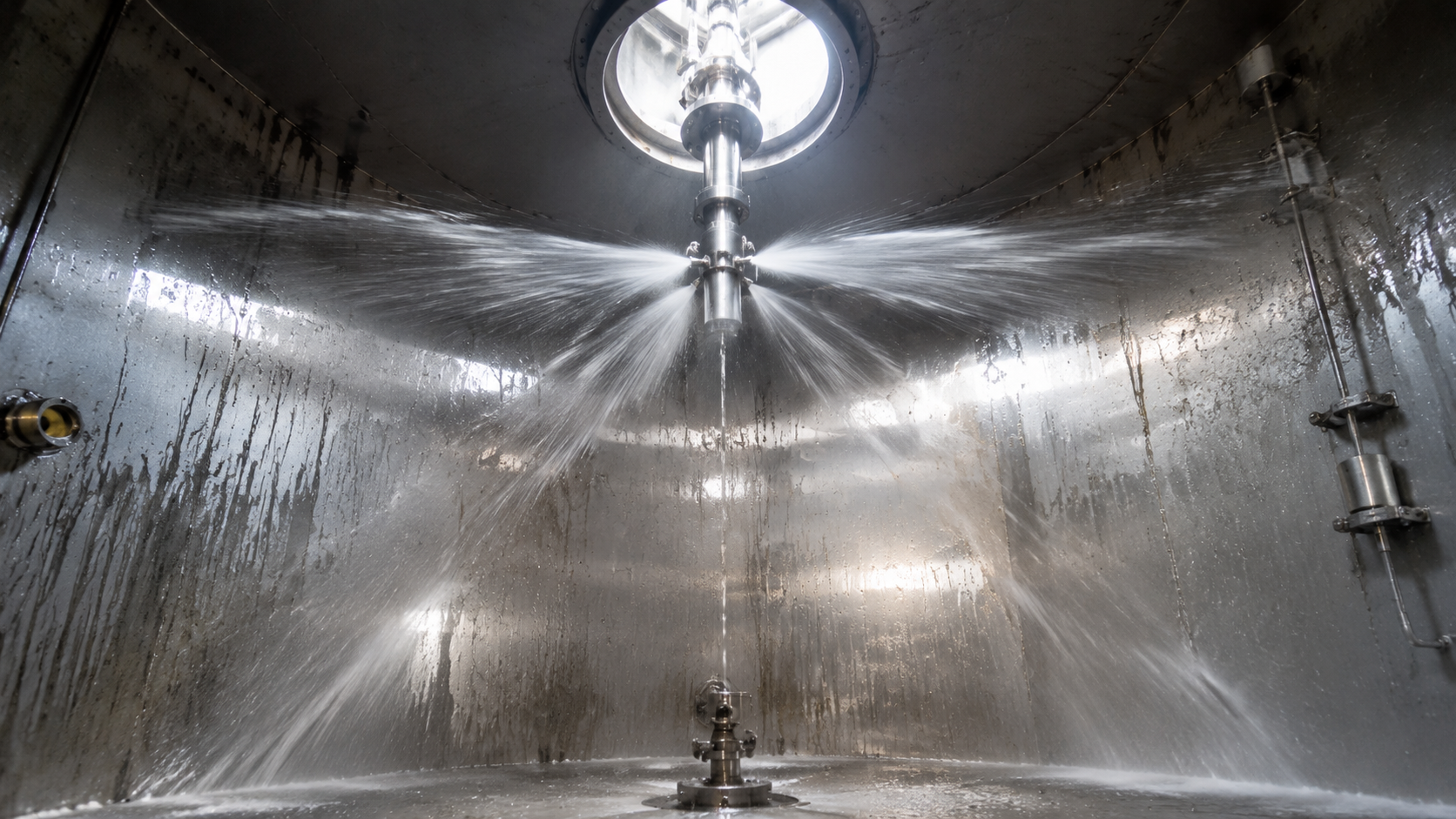
temperature reduction, storage tank cleaning for changeover and
maintenance, and absorption towers for mass transfer operations.
Chemical Processing Operations
Raw Material Storage
Tank Cleaning Between Products
Chemical Reactors
Quenching & Temperature Control
Gas Scrubbing
Acid/Base Removal & VOC Control
Evaporative Cooling
Process Stream Temperature Reduction
Absorption Towers
Packed Bed Spray & Mass Transfer
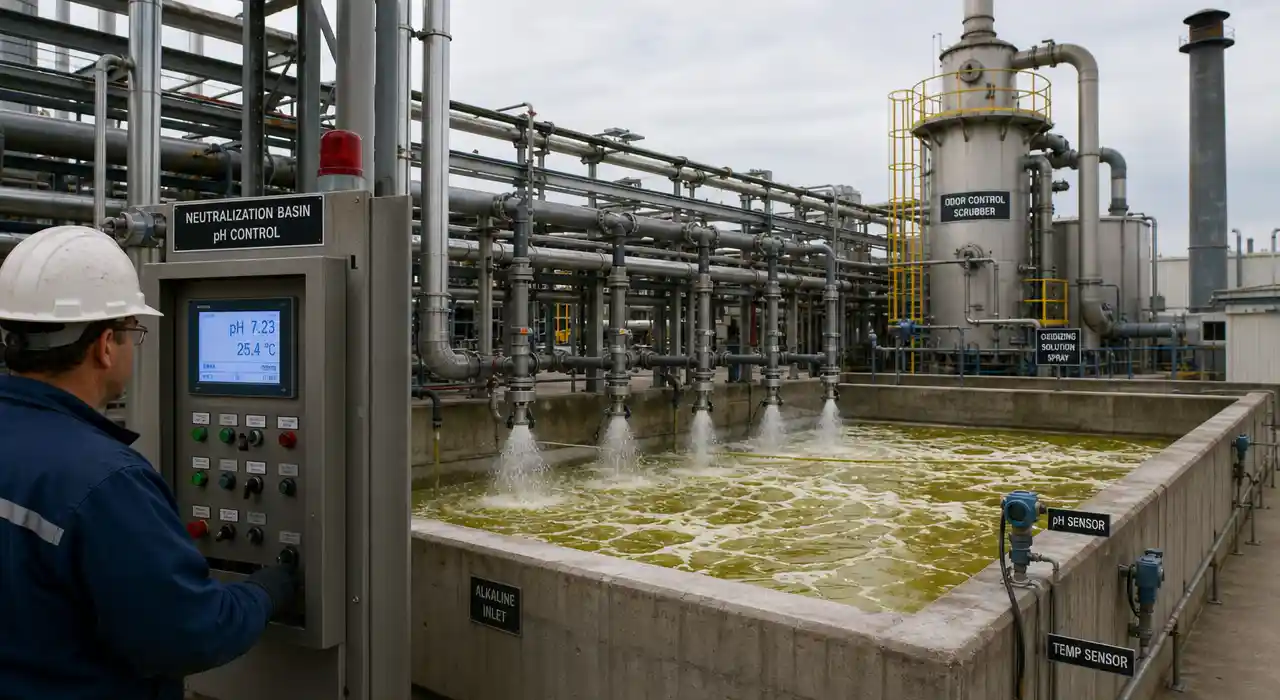
Waste Treatment
Neutralization & Odor Control
Chemical Processing Challenges & Solutions
Withstanding Highly Corrosive Environments
ChallengeChemical processing involves concentrated acids including sulfuric (98%), hydrochloric (37%), and nitric acid, strong bases including sodium hydroxide (50%), and organic solvents attacking most materials. Corrosion failures cause safety incidents, environmental releases, and production interruptions with potential consequences including personnel injury, regulatory fines, and facility shutdowns. Standard stainless steel corrodes rapidly in many chemical environments with service life measured in weeks or months, generating frequent replacement costs and unplanned downtime.
SolutionOur corrosion-resistant spray nozzles feature PTFE and PFA construction providing universal chemical resistance to acids, bases, and solvents with temperature capability to 200°C, Hastelloy C-276 alloy resisting hot concentrated acids and chloride-containing environments at temperatures to 600°C, silicon carbide offering extreme hardness (Mohs 9-9.5) and chemical resistance for abrasive slurries, and PVDF providing cost-effective resistance to most industrial chemicals at temperatures to 140°C. Material selection guidance based on chemical composition, temperature, and concentration ensures optimal service life and process safety.
Controlling Exothermic Reaction Temperatures
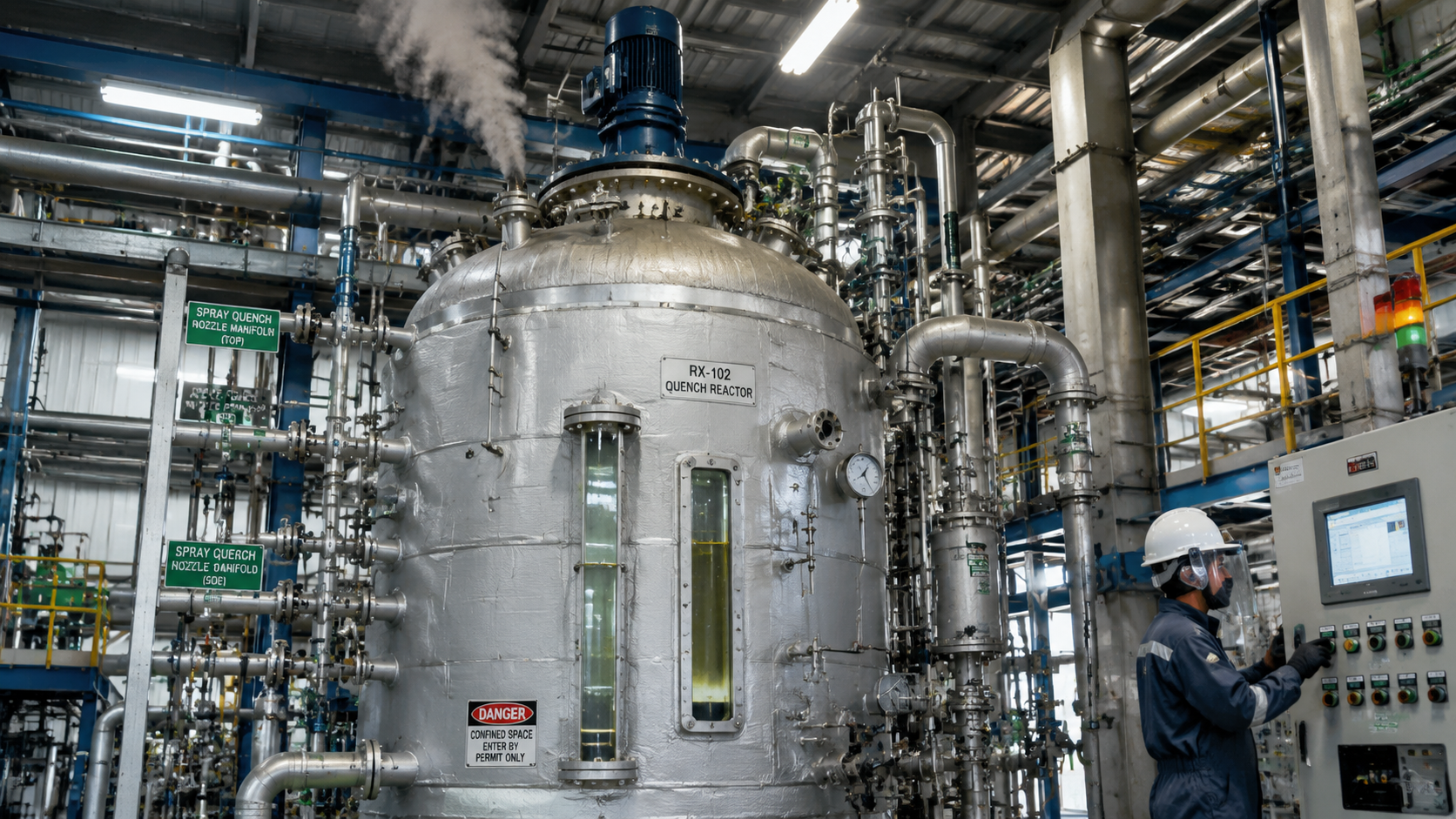
ChallengeRunaway exothermic reactions cause temperature excursions leading to pressure buildup, product decomposition, and potential explosions with catastrophic consequences for personnel safety and facility integrity. Traditional jacket cooling provides insufficient heat removal for highly exothermic processes with typical heat transfer coefficients of only 200-500 W/m²·K. Emergency response requires rapid temperature reduction within seconds preventing catastrophic failure. Insufficient mixing creates hot spots despite adequate overall cooling capacity, with temperature gradients exceeding 20-50°C within reactor volumes.
SolutionOur reactor spray nozzles deliver direct liquid injection providing 10-50x faster cooling than jacket systems through direct contact heat transfer, create turbulent mixing eliminating temperature gradients and hot spots, feature multi-point injection arrays for large reactor volumes ensuring uniform cooling, and integrate with automated control systems modulating flow based on real-time temperature monitoring. Emergency quench manifolds deliver large water volumes (10-100x normal flow) activated by temperature, pressure, or manual triggers providing fail-safe protection with response times under 10 seconds from detection to full quench flow.
View Cooling Solutions →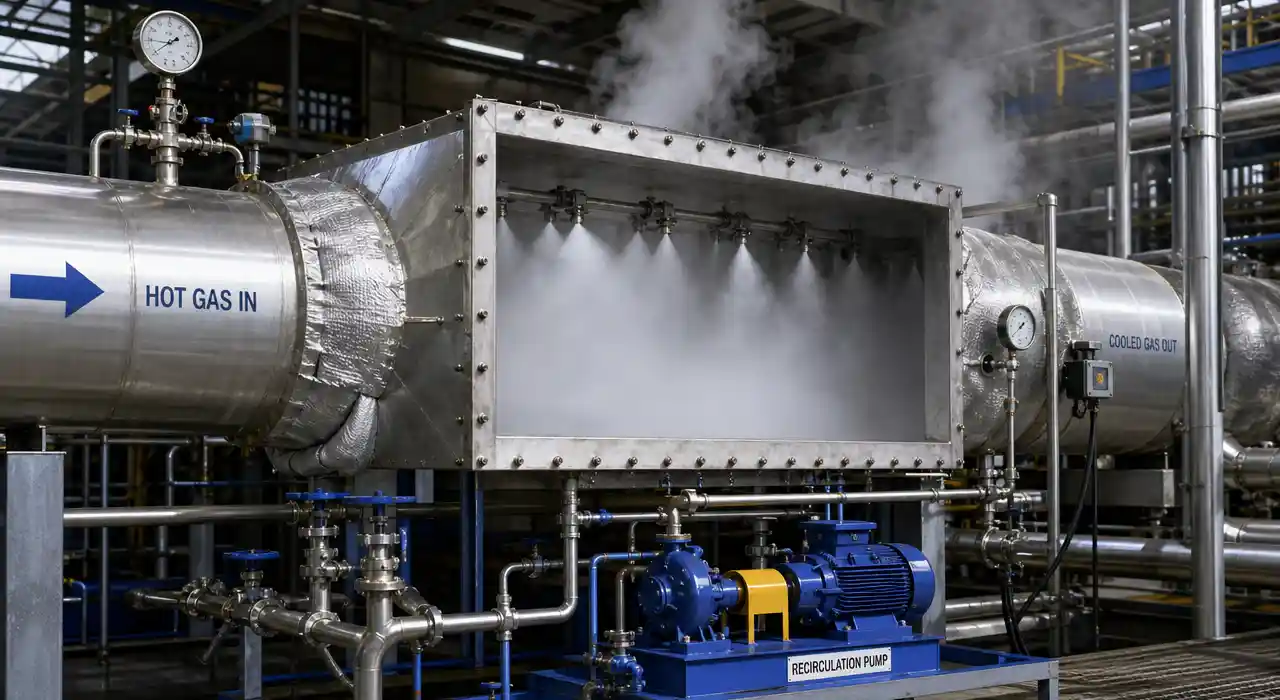
Achieving Efficient Gas Scrubbing
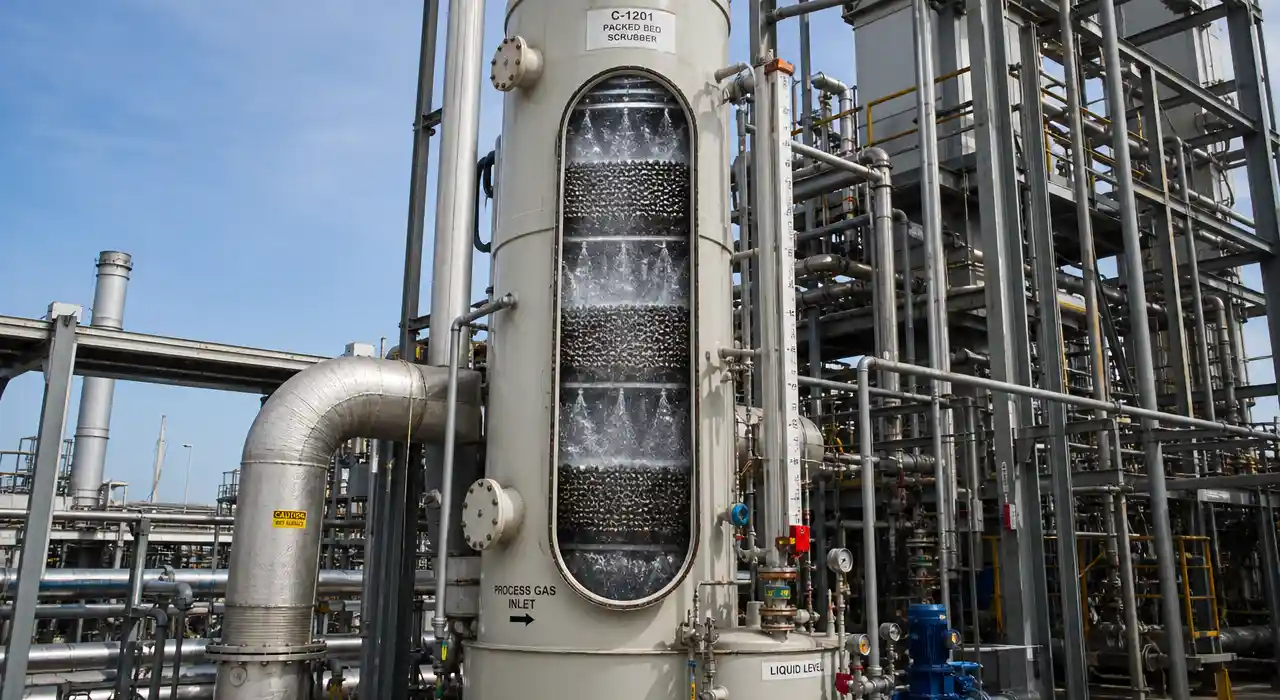
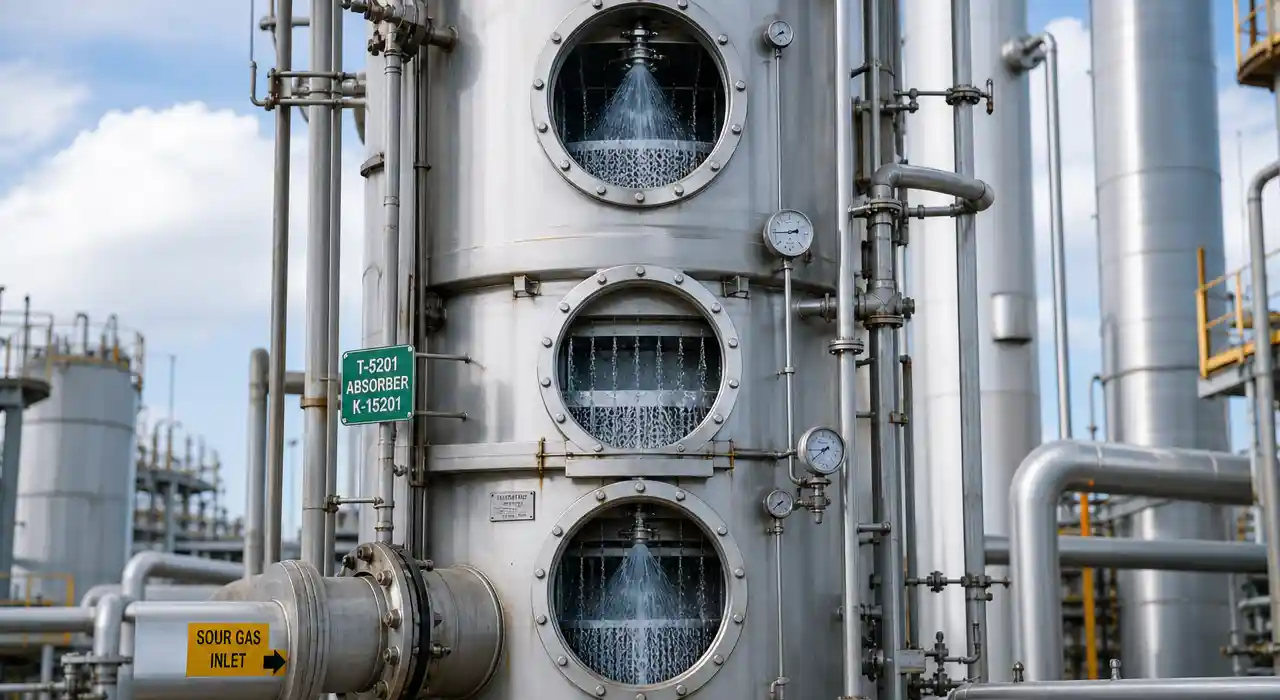
ChallengeEnvironmental regulations require removal of acidic gases (HCl, SO2, NOx), caustic mists, VOCs, and particulates from chemical process exhausts with removal efficiencies of 95-99.9% for many pollutants. Incomplete scrubbing causes permit violations generating fines exceeding $50,000 per incident and potential production restrictions. Poor liquid distribution creates channeling in packed towers reducing effective gas-liquid contact area by 30-60%. Nozzle clogging from scale, particulates, or polymerized residues degrades performance requiring frequent maintenance shutdowns typically every 3-6 months in severe service.
SolutionOur gas scrubbing nozzles deliver uniform liquid distribution across entire tower cross-section preventing channeling and dead zones, create fine droplets (500-2000 microns) maximizing surface area for mass transfer, feature large free passages (6-25mm) resisting clogging from scale and particulates extending service intervals by 3-5x, and use corrosion-resistant materials including PTFE, PVDF, and Hastelloy for acidic or caustic service. Tangential spiral designs impart rotational momentum ensuring complete packing wetting in vertical towers. Typical installations improve removal efficiency from 90-95% to 97-99% while reducing recirculation pump power by 10-20% through lower pressure drop designs.
Ensuring Intrinsically Safe Operation
ChallengeChemical plants contain flammable solvents, reactive materials, and combustible dusts creating explosive atmospheres classified as Zone 0, 1, or 2 under ATEX/IECEx standards. Spray systems generate static electricity through liquid atomization and friction potentially accumulating charges exceeding 10 kV and igniting flammable vapors. Equipment failures including leaks, nozzle detachment, or material degradation cause safety incidents. Non- compliant equipment in hazardous areas results in regulatory violations, insurance coverage gaps, and catastrophic accident risk.
SolutionOur hazardous area spray nozzles feature all-plastic construction (PTFE, PVDF, PFA) eliminating ignition sources in flammable atmospheres, use conductive materials with verified grounding connections when metallic construction is required, incorporate retention devices preventing nozzle ejection under pressure with safety factors exceeding 4:1, and provide ATEX/IECEx certification documentation for equipment selection and regulatory compliance. Low-pressure spray designs minimize static generation. Fail-safe shutoff valves prevent uncontrolled releases during power loss or control failure. Complete documentation packages support hazardous area classification and equipment certification requirements.
Cleaning Large Storage Tanks Efficiently
ChallengeChemical storage tanks ranging from 10,000 to 100,000 liters require thorough cleaning between products preventing cross-contamination and removing polymerized residues, crystallized materials, and scale buildup. Manual cleaning with confined space entry poses serious safety risks from toxic atmospheres (H2S, benzene, VOCs), physical hazards, and complex permit requirements. Cleaning times of 8-24 hours per tank create production bottlenecks costing $10,000-50,000 per day in lost production. Inadequate cleaning leaves residues causing product quality issues, incompatibility reactions, or regulatory non-compliance.
SolutionOur tank cleaning nozzles deliver high-impact rotating spray patterns covering entire tank interiors without confined space entry eliminating personnel safety risks, remove baked-on residues and scale through concentrated water jets at 10-100 bar with effective cleaning radius of 5-15 meters, reduce cleaning time from 8-24 hours to 1-4 hours increasing tank utilization by 30-50%, and integrate with automated CIP (Clean-in-Place) systems for scheduled cleaning cycles with programmable parameters. Chemical-resistant construction including PTFE, Hastelloy, and 316L stainless steel handles aggressive cleaning solutions. Programmable rotation patterns ensure complete coverage including tank roofs, walls, baffles, and complex internal structures.
View Tank Cleaning Solutions →Chemical Processing Application Example
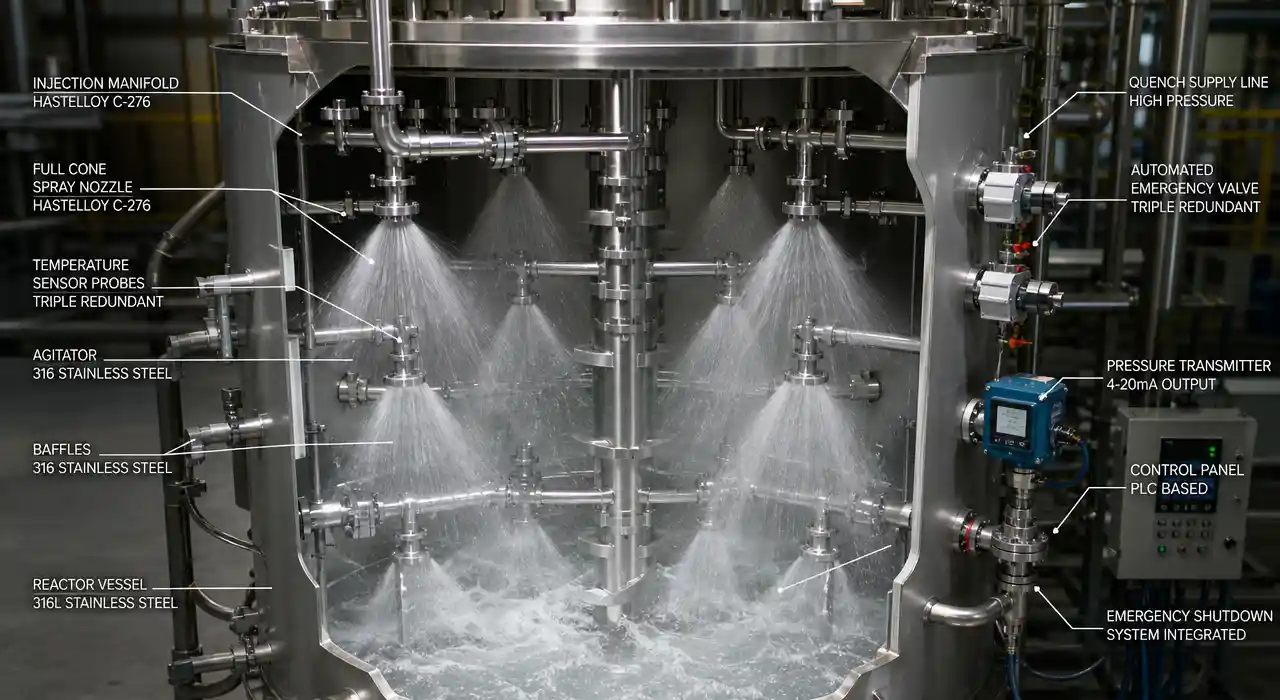
Reactor Emergency Quench System Upgrade
Problem: A specialty chemical manufacturer experienced a thermal runaway incident when an exothermic polymerization reaction exceeded cooling capacity. Existing jacket cooling with heat transfer coefficient of 350 W/m²·K could not remove heat fast enough during upset conditions when reaction rate and heat generation increased exponentially. The incident caused complete product loss valued at $250,000, equipment damage requiring $150,000 in repairs, and required thorough safety investigation halting production for 6 weeks. Regulatory authorities mandated improved emergency cooling capability before resuming production.
Solution: Designed multi-point spray quench system with eight high-flow full cone nozzles positioned throughout reactor volume providing rapid direct injection cooling. Implemented dual-circuit design with normal temperature control using three nozzles and emergency quench activating all eight nozzles delivering 10x flow rate. Upgraded to Hastelloy C-276 nozzles resisting hot acidic reactor contents at operating temperatures to 200°C. Integrated with triple-redundant temperature monitoring and automated activation with SIL-2 safety integrity level.
Results:
- Temperature reduction rates improved from 2-5°C/min (jacket only) to 15-30°C/min providing rapid response during upsets
- Mixing time reduction eliminating hot spots through spray-induced turbulence with temperature gradients reduced from 20-50°C to below 5°C
- Emergency response time under 10 seconds from detection to full quench flow with fail-safe activation
- Regulatory approval for resumed production with enhanced safety margins satisfying authority requirements
Why Choose Us for Chemical Processing Spray Systems
Industry Experience
IECEx Certified
Hastelloy C-276
Emergency Support
Recommended Nozzle Solutions
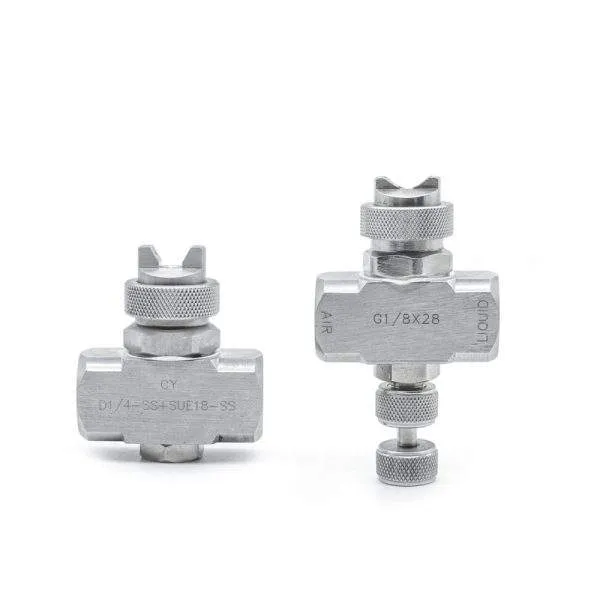
PTFE Full Cone Nozzle
Application: Acid/base spray, reactor quenching, scrubber distribution
Material: PTFE
View Details →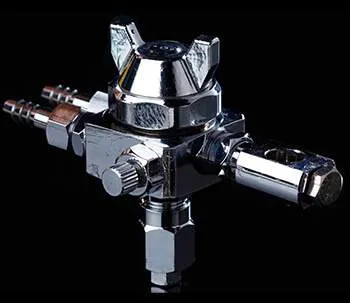
PVDF Chemical Resistant Nozzle
Application: Chemical processing, tank cleaning, general industrial
Material: PVDF
View Details →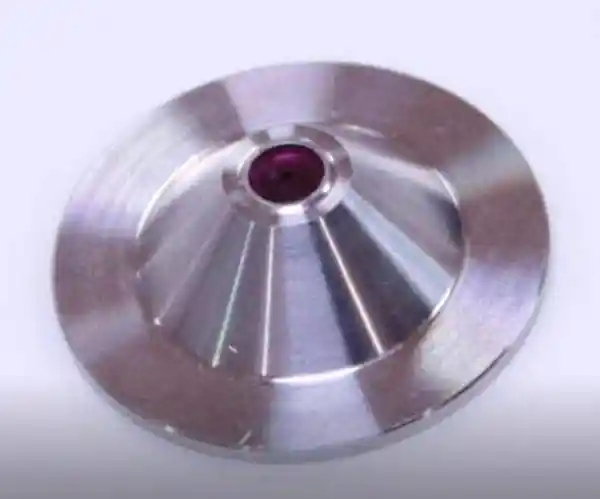
Silicon Carbide Spiral Nozzle
Application: Abrasive slurry handling, extreme chemical resistance
Material: Silicon Carbide
View Details →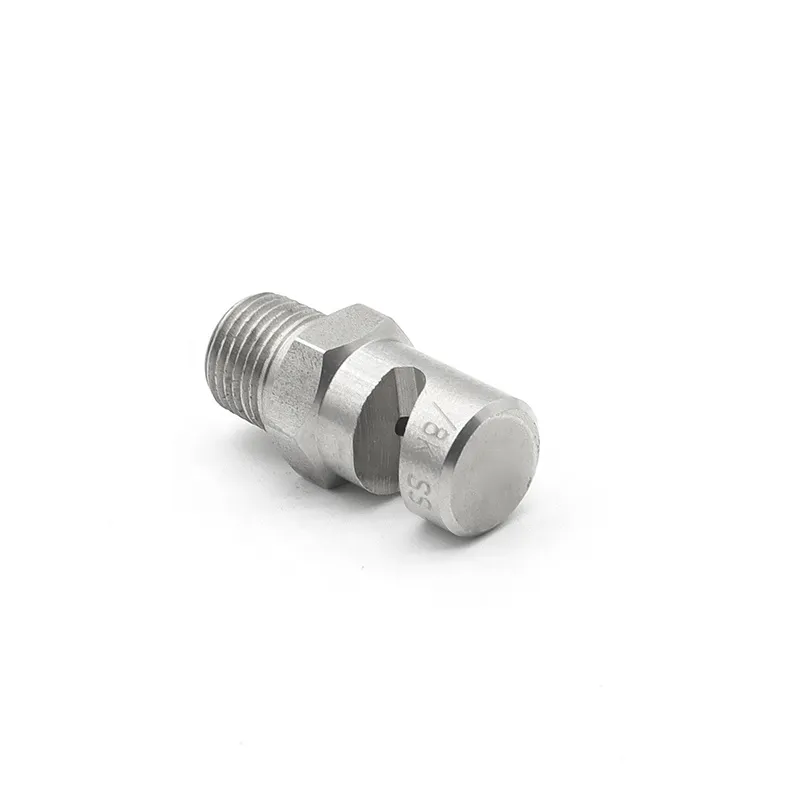
BB Series Full Cone Spray Nozzle
Application: Reactor cooling, evaporative cooling, scrubbing (316SS/Hastelloy)
Material: 316SS / Hastelloy
View Details →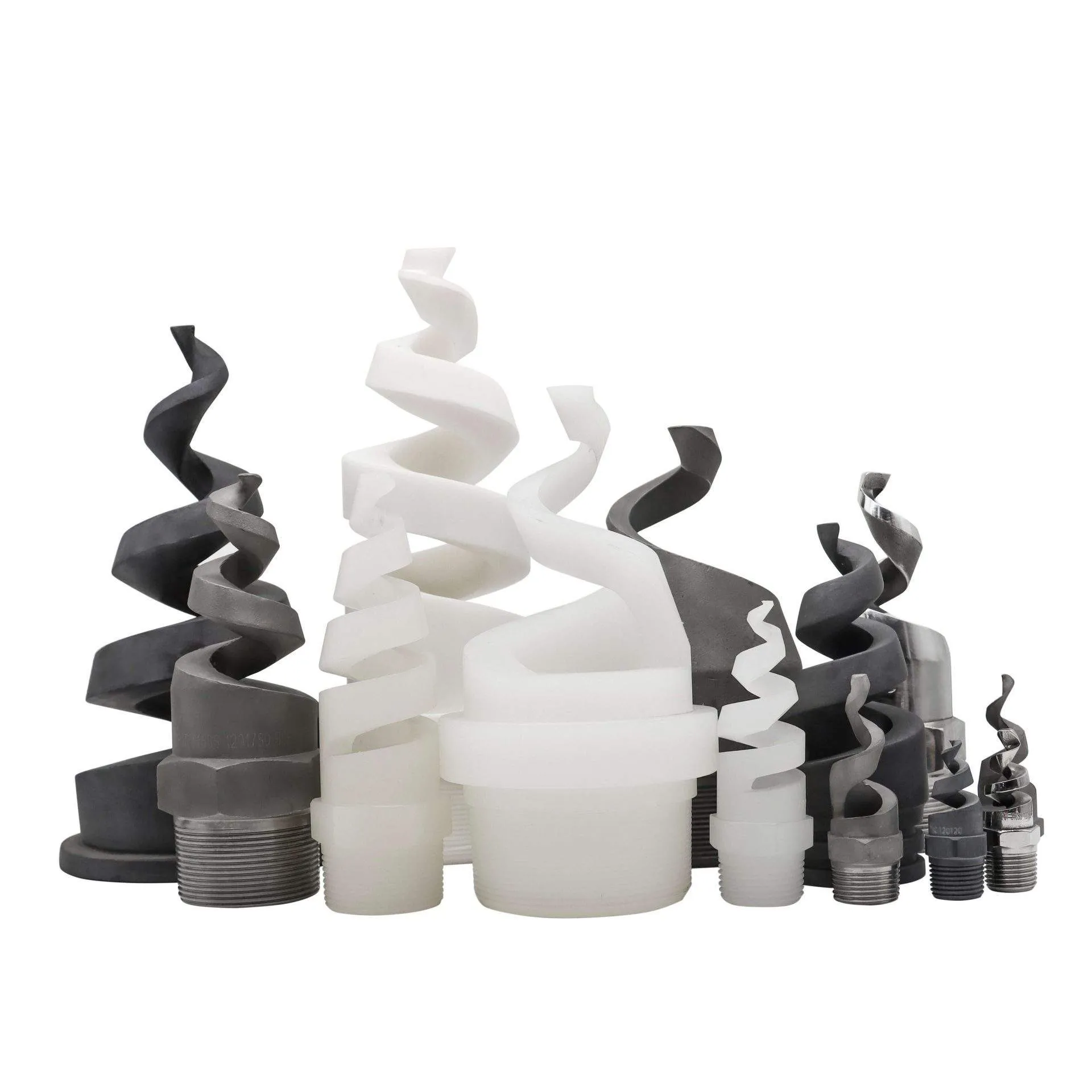
SPJT-SS-120 Spiral Nozzle
Application: Tank cleaning, gas scrubbing, absorption towers
Material: 316 Stainless Steel
View Details →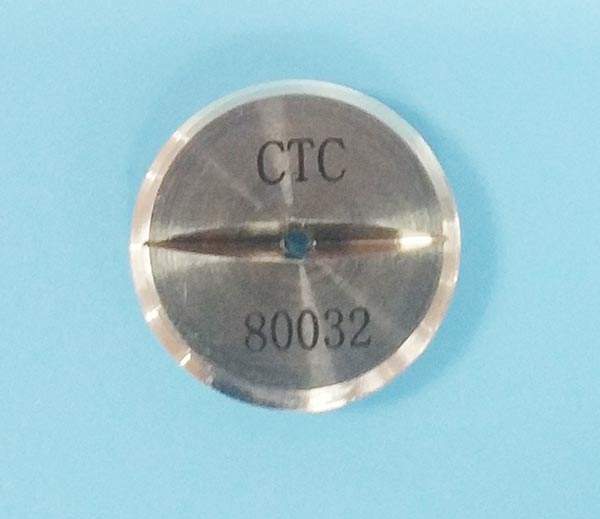
High Pressure Cleaning Nozzle
Application: Tank cleaning, reactor cleaning, scale removal
Material: 316L Stainless Steel
View Details →Frequently Asked Questions
Chemical processing uses specialized nozzles engineered for corrosive environments and safety-critical applications. Reactor quenching requires full cone nozzles distributing coolant uniformly throughout reactor volumes with Hastelloy or PTFE construction resisting hot acids or bases. Gas scrubbing systems employ hollow cone or spiral nozzles creating fine droplets for maximum gas-liquid contact with PVDF or PTFE materials for acidic or caustic service. Tank cleaning uses high-impact rotating nozzles removing residues from large vessel interiors with 316SS or specialized alloy construction. Evaporative cooling requires fine mist nozzles producing 100-500 micron droplets for efficient heat transfer. Absorption towers use distribution nozzles with wide spray angles ensuring complete packing coverage. All chemical nozzles must provide chemical compatibility validated through testing, pressure ratings meeting process conditions (typically 5-50 bar), temperature capability for hot process streams, and hazardous area certification for flammable atmospheres where required.
Yes, we specialize in spray nozzles engineered for the most aggressive chemical environments. Our nozzles feature PTFE construction offering universal resistance to concentrated acids (98% H2SO4, 37% HCl, 70% HNO3), strong bases (50% NaOH, NH4OH), chlorinated solvents, and reactive chemicals with temperature capability to 260°C. Hastelloy C-276 nickel alloy provides superior resistance to hot acids, chloride-containing solutions, and oxidizing/reducing environments where fluoropolymers are unsuitable. Silicon carbide delivers extreme chemical resistance combined with hardness for abrasive chemical slurries. PFA offers similar resistance to PTFE with improved mechanical strength and transparency. We provide comprehensive chemical compatibility documentation including immersion testing results, material selection guides for specific chemicals and operating conditions, pressure and temperature ratings, and case studies from similar applications. Engineering consultation services include material validation testing for unusual chemical mixtures or operating conditions ensuring long service life and safety.
Reactor emergency quench systems require high-reliability nozzles designed for fail-safe operation during critical upset conditions. We recommend full cone nozzles providing rapid uniform liquid distribution throughout reactor volumes with flow capacities of 50-500 L/min per nozzle for fast temperature reduction. Material selection depends on reactor chemistry with Hastelloy C-276 for acidic processes, 316L stainless steel for general organic chemistry, and PTFE for maximum chemical resistance at lower temperatures. Multi-point injection arrays position nozzles at multiple elevations ensuring complete mixing and heat removal in large reactors. Wide spray angles (90-120°) maximize coverage volume. Quick-opening automated valves provide activation within 2-5 seconds from trigger signal. Redundant nozzle circuits ensure functionality if single nozzles clog. Integration with triple-redundant temperature monitoring, pressure relief coordination, and control system interlocks provides comprehensive safety system. We provide engineering services including CFD modeling validating mixing and cooling effectiveness, heat transfer calculations verifying adequate capacity, and functional safety design meeting IEC 61511 SIL requirements.
Yes, we provide replacement spray nozzles for chemical processing equipment from all manufacturers. Our engineering team conducts on-site assessments evaluating current system performance including chemical compatibility issues, corrosion or wear problems, spray pattern degradation, and flow rate changes indicating wear. We document existing nozzle specifications including materials, connections, orifices, and spray angles. We offer direct replacements maintaining existing interfaces while upgrading to superior corrosion resistance, improved spray patterns, or extended service life. For gas scrubber retrofits, we provide optimized distribution nozzles improving removal efficiency while reducing pressure drop and liquid consumption. Tank cleaning upgrades replace manual entry methods with automated rotating nozzles reducing cleaning time and eliminating confined space safety concerns. Most chemical plant nozzle retrofits achieve payback within 12-24 months through extended nozzle life, reduced maintenance labor, improved process efficiency, and enhanced safety. Installation services include material compatibility validation, hazardous area work permits and procedures, and commissioning documentation for plant change management systems.
Chemical plants achieve 20-40% scrubbing efficiency improvement through spray system optimization. First, upgrade to optimized nozzle types with tangential spiral designs providing rotational momentum for complete packing wetting versus simple full cone patterns. Increase liquid distribution uniformity across tower cross-section preventing channeling and dead zones that allow gas bypass. Optimize droplet size with 500-2000 micron range maximizing surface area for mass transfer without excessive pressure drop or drift losses. Position nozzles at correct spacing (typically 1-3 meters) providing overlapping coverage without interference between spray cones. Upgrade to corrosion-resistant materials including PVDF or PTFE eliminating scale buildup and clogging from corroded metal nozzles. Add liquid redistribution trays at multiple elevations maintaining uniform distribution throughout packed height. Install nozzle inspection ports enabling performance verification without tower shutdown. Implement automated monitoring measuring pressure drop, liquid flow, and outlet emissions detecting degraded performance. Typical improvements include pollutant removal increasing from 90-95% to 97-99%, recirculation pump power reduction of 10-20% through lower pressure drop nozzles, and maintenance frequency reduction through clog-resistant designs.
Chemical processing spray nozzle maintenance varies by application and chemical environment. Reactor quench nozzles require quarterly inspection for chemical corrosion, scale buildup, or material degradation with immediate replacement if spray patterns deteriorate or orifices enlarge beyond 10% affecting flow capacity during emergencies. Gas scrubber nozzles need monthly inspection for clogging from scale or particulates, quarterly spray pattern verification ensuring uniform distribution, and annual replacement in severely corrosive service (concentrated acids or high-temperature applications). Tank cleaning nozzles require inspection after every 50-100 cleaning cycles checking for wear, bearing condition in rotating units, and spray pattern quality. Chemical storage tank nozzles operating in static service typically require only annual visual inspection unless aggressive chemicals accelerate degradation. All chemical nozzle maintenance requires appropriate PPE including chemical-resistant gloves and face shields, lockout- tagout procedures isolating spray systems from pressure and chemical sources, and proper disposal of corroded or chemically- contaminated components. Quick-disconnect fittings enable nozzle replacement without extensive system disassembly minimizing downtime. We provide maintenance training specific to chemical plant safety requirements, spare parts programs with expedited delivery for critical applications, and emergency technical support for process incidents involving spray system failures.