



Electronics & PCB Spray Nozzles Manufacturer
Leading electronics spray nozzles manufacturer: PCB cleaning, conformal coating, solder flux application, precision washing. Ultra-pure water compatible nozzles for semiconductor and electronics production.
Industry Overview
The electronics manufacturing industry demands precision spray
technology for contamination-free processing. Modern electronics
plants face challenges including removing microscopic flux
residues, applying uniform conformal coatings without bridging,
preventing electrostatic discharge damage, and maintaining
ultra-clean production environments.
Spray nozzles are essential in PCB fabrication for photoresist
development and etching, SMT assembly for flux application and
post-solder cleaning, conformal coating operations for moisture
and environmental protection, component washing for removing
manufacturing residues, and final inspection cleaning preparing
products for quality testing and packaging.
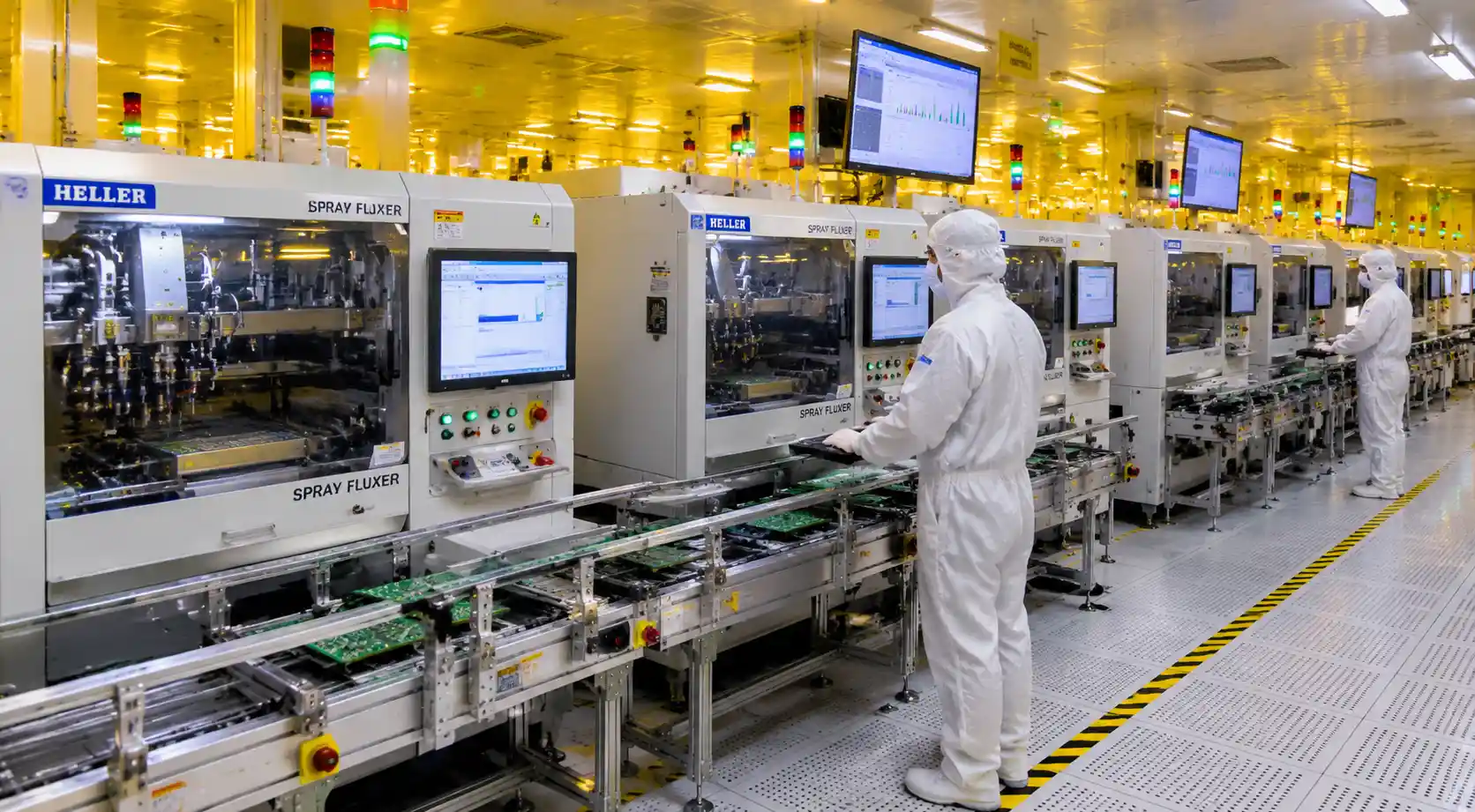
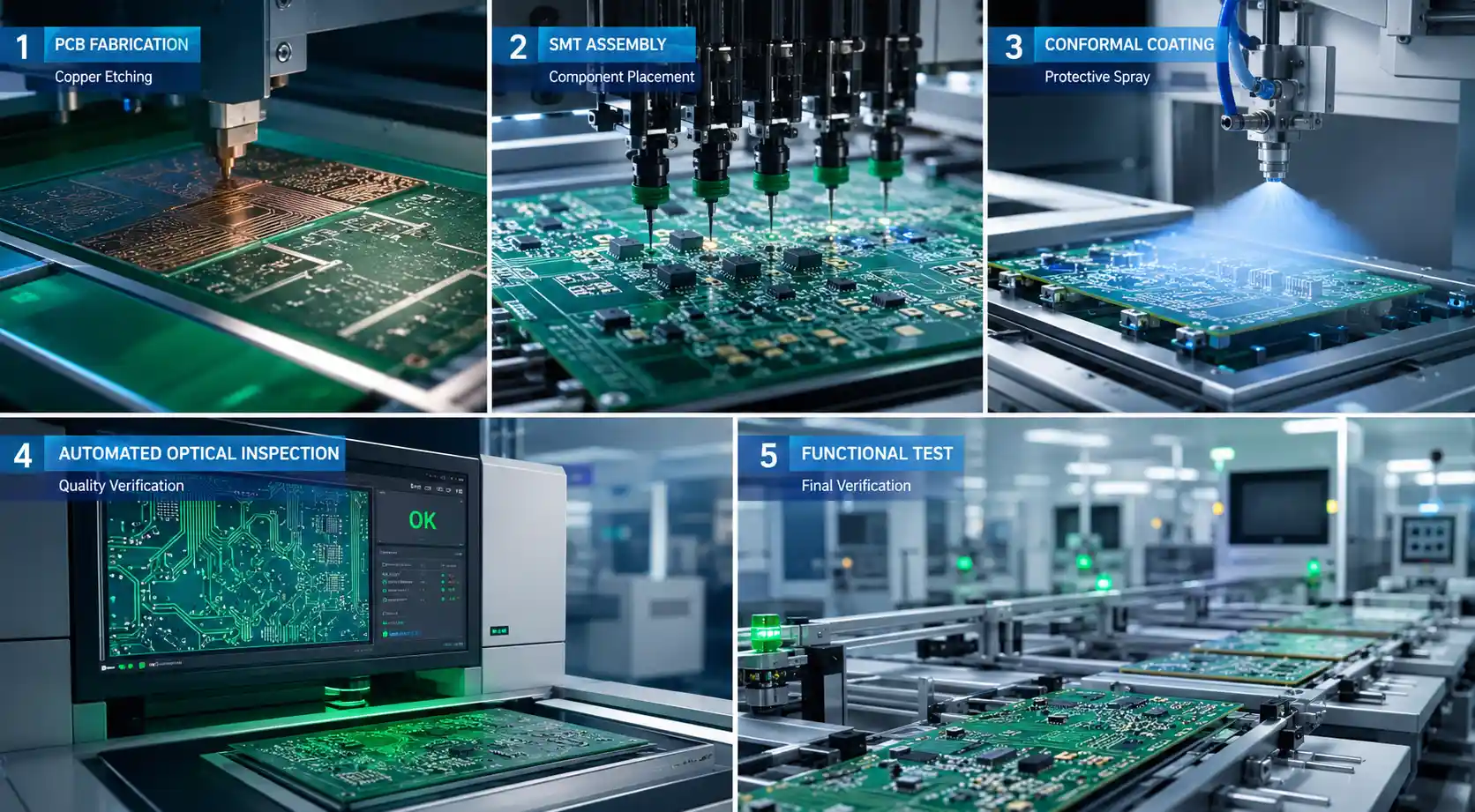
Electronics Production Process
PCB Fabrication
Developer & Etchant Spray, Cleaning
SMT Assembly
Solder Flux Application, Reflow Cleaning
Post-Solder Cleaning
Flux Residue Removal, Ionic Contamination
Conformal Coating
Acrylic, Silicone, Urethane Coatings
Component Washing
Precision Parts Cleaning, Rinsing
Final Inspection
Cleaning Before Testing & Packaging
Electronics Manufacturing Challenges & Solutions
Removing Microscopic Contamination
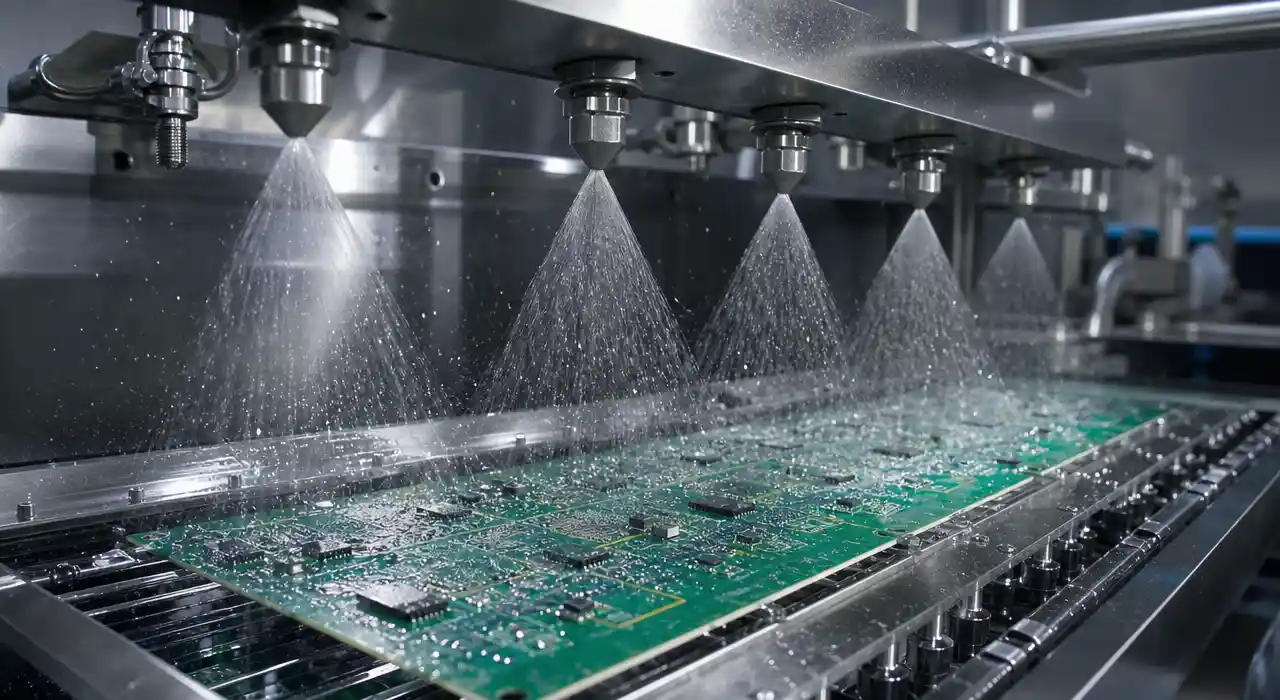
ChallengeModern electronics with fine-pitch components (0.4mm and smaller), microvias, and blind holes trap flux residues and cleaning solvent. Ionic contamination as low as 1.56 μg/cm² NaCl equivalent causes leakage currents, dendritic growth, and field failures. Traditional immersion cleaning cannot reach contaminants under low-standoff components.
SolutionOur precision spray nozzles deliver high-velocity flat fan patterns targeting areas under BGAs and QFNs, create turbulent flow dislodging trapped residues in microvias and blind holes, use ultra-pure PVDF and PFA materials preventing ionic leaching, and provide adjustable impact force balancing cleaning effectiveness with component safety. Spray-in-air systems deliver cleaning force without immersion chemical volume reducing waste.
View Cleaning & Washing Solutions →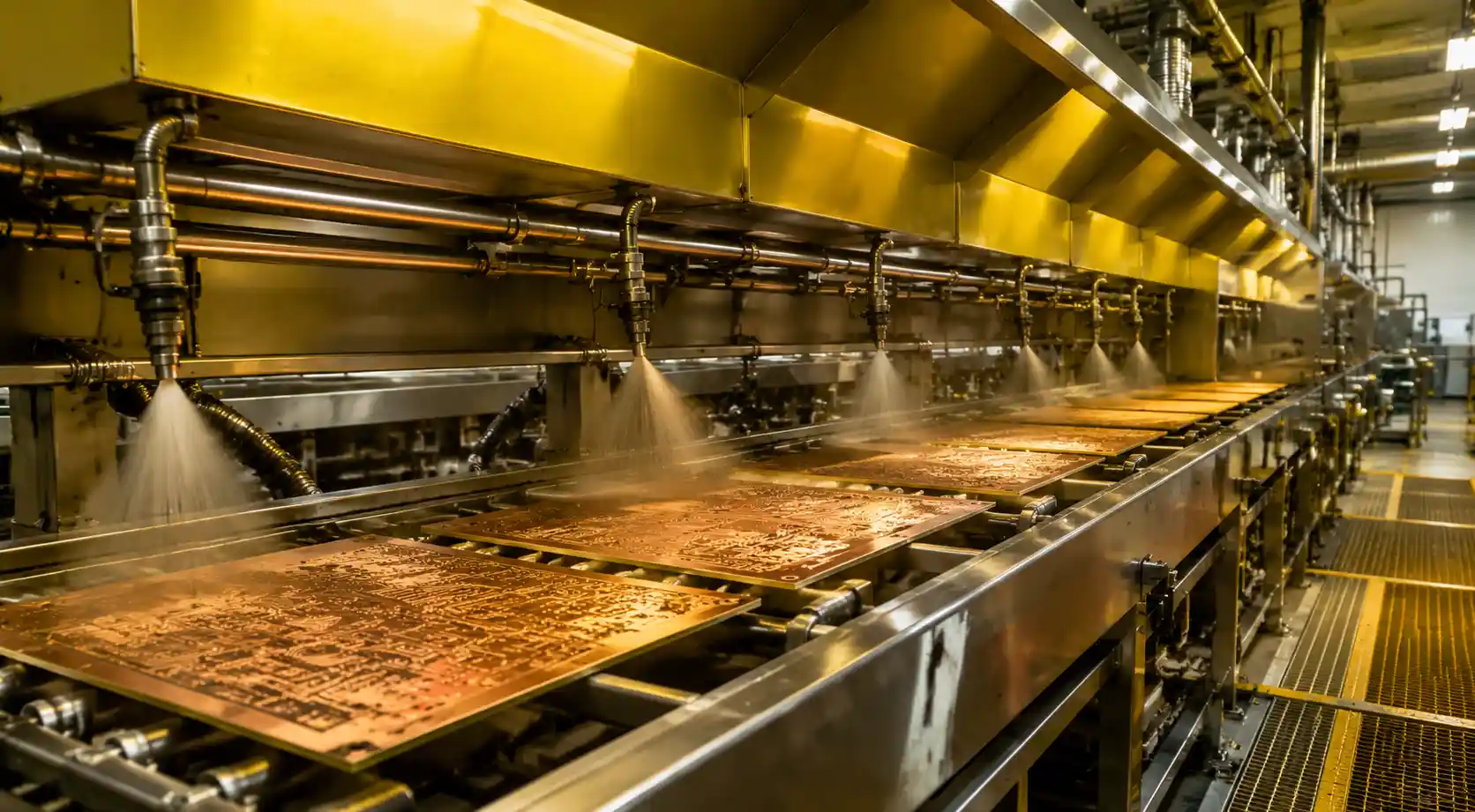
Achieving Uniform Conformal Coating
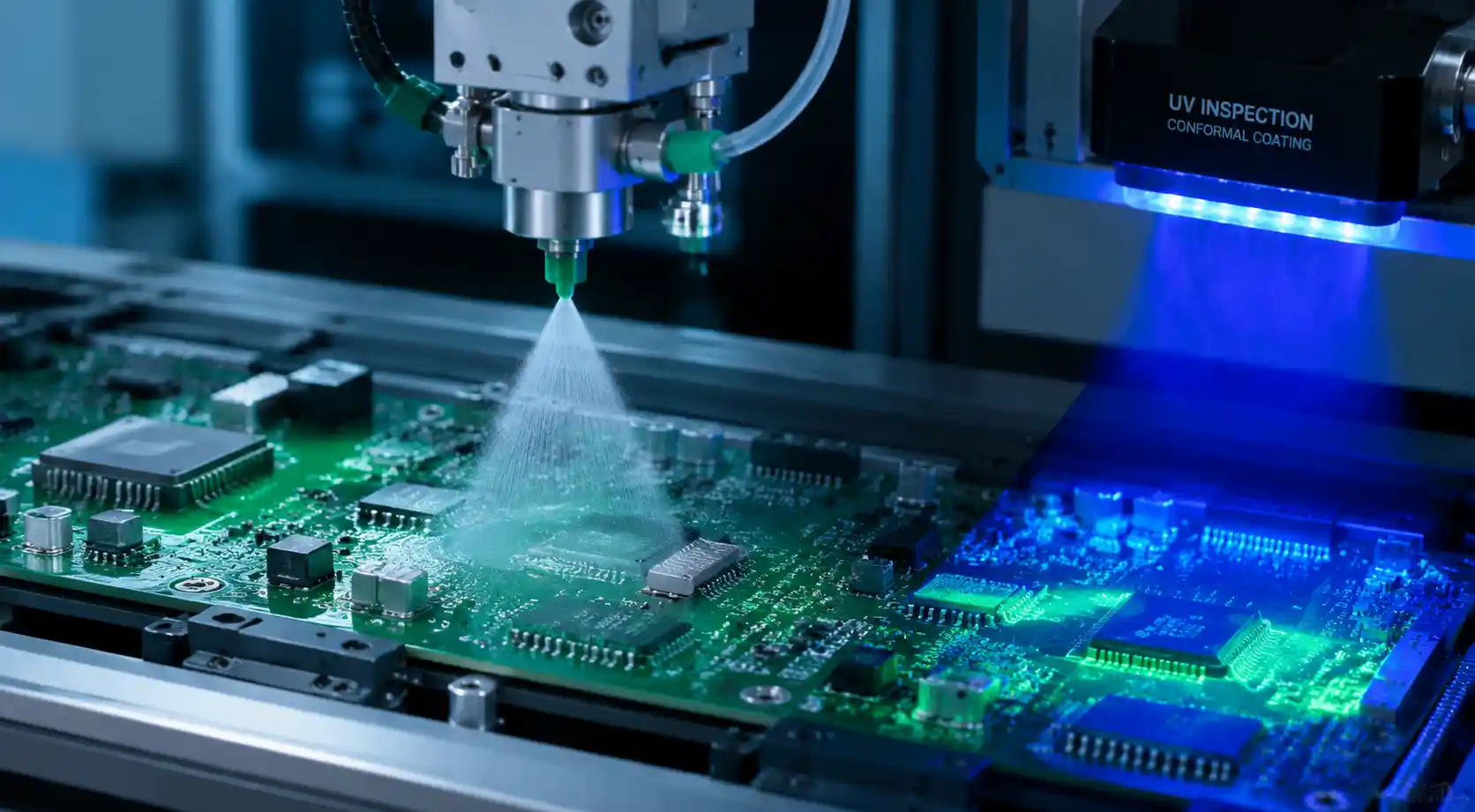
ChallengeConformal coating thickness variations cause performance issues including inadequate protection in thin areas and dielectric stress in thick areas. Coating bridges between fine-pitch leads cause shorts. Overspray on connectors and test points requires costly masking or rework. IPC-A-610 specifications require coating thickness of 30-130 microns with uniformity.
SolutionOur conformal coating nozzles deliver consistent droplet size distribution of 40-100 microns optimizing flow and leveling, maintain precise spray patterns preventing overspray beyond target areas, feature automatic viscosity compensation adjusting atomization as coating evaporates, and integrate with robotic systems providing repeatable application paths. Selective coating nozzles with programmable valves enable coating complex boards without masking.
View Coating & Spraying Solutions →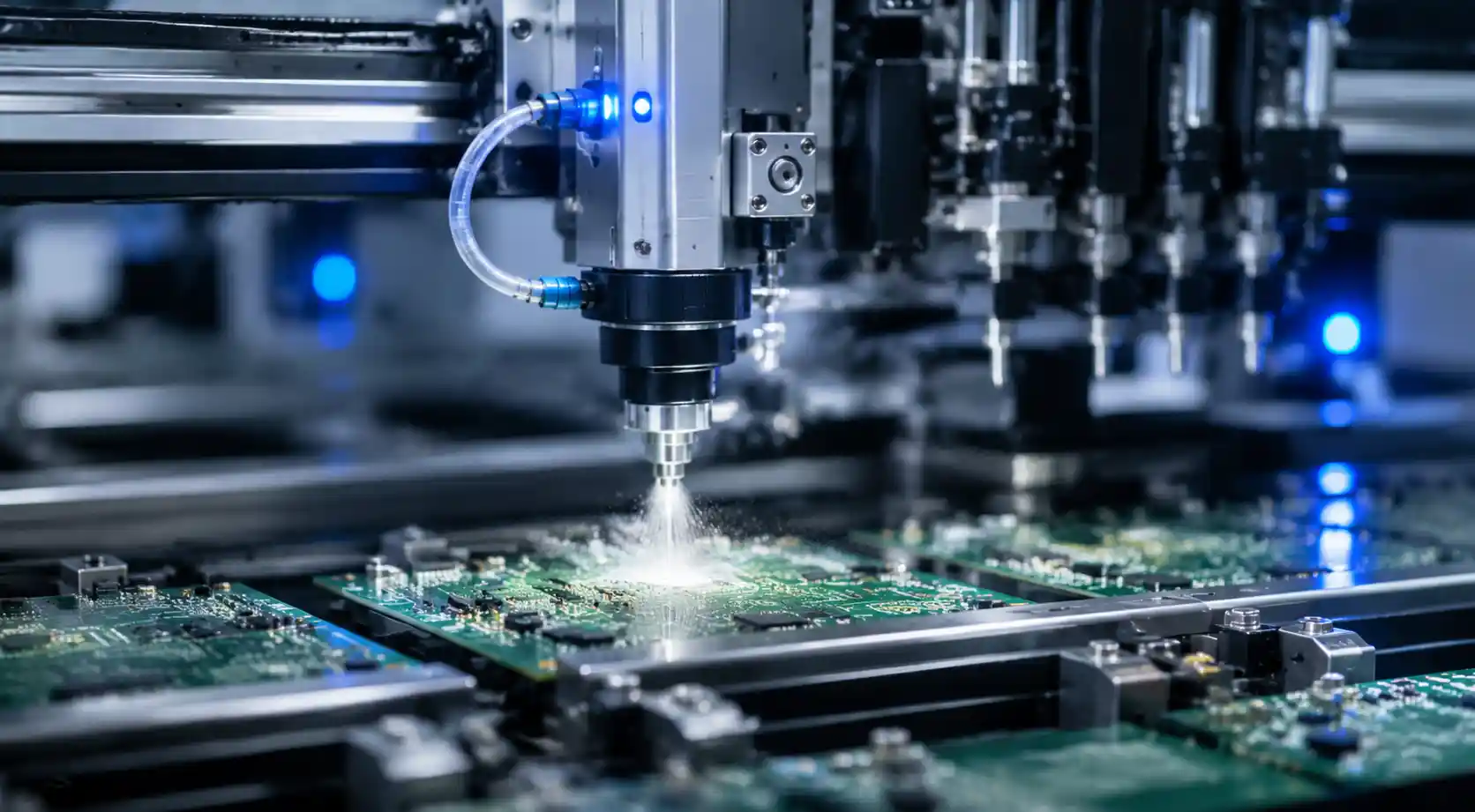
Preventing Electrostatic Discharge Damage
ChallengeElectronics manufacturing environments generate electrostatic charge through material handling, spray atomization, and air movement. Discharge events as low as 10 volts damage sensitive CMOS and microprocessor components. Spray coating and cleaning operations create charge requiring neutralization preventing defects.
SolutionOur ESD-safe spray systems use conductive nozzle materials preventing charge accumulation, integrate ionization systems neutralizing spray-generated static, maintain grounded fluid paths from supply to nozzle preventing voltage buildup, and design low-velocity spray patterns minimizing triboelectric charging. Humidification spray systems maintain 40-60% relative humidity reducing static generation in production areas.
Maintaining Cleanroom Standards
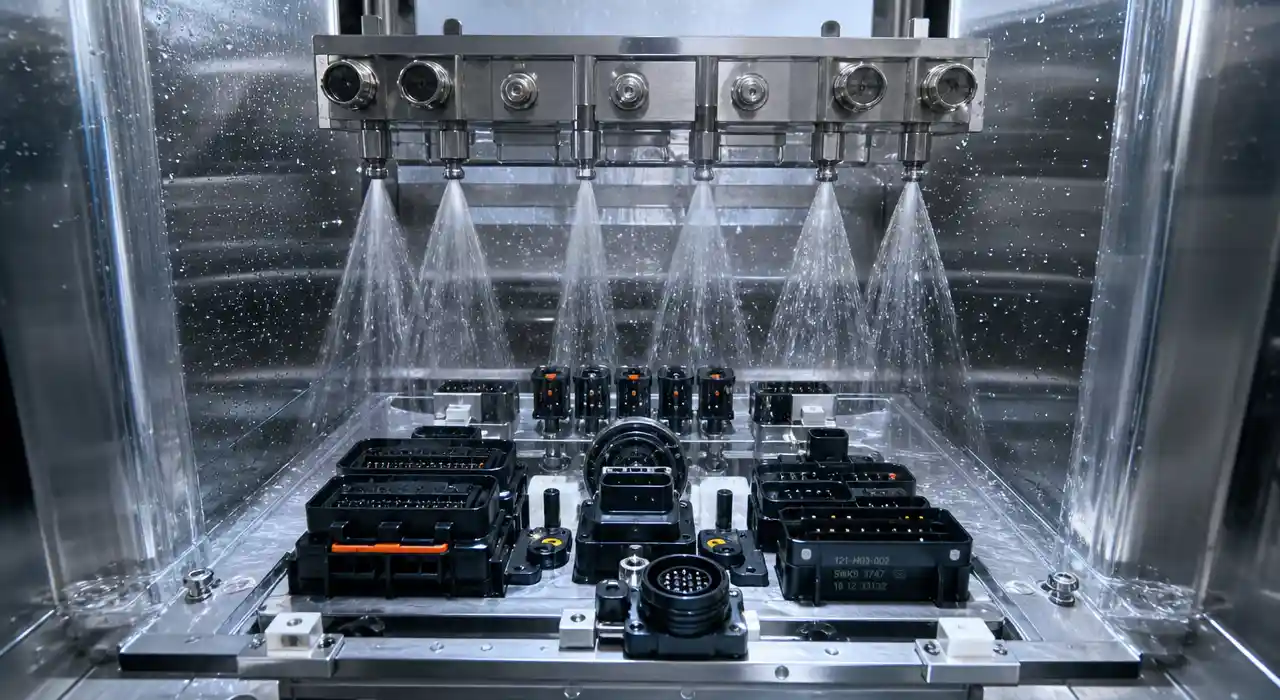
ChallengeElectronics assembly cleanrooms require Class 100 to Class 10,000 (ISO 5 to ISO 7) cleanliness preventing particulate contamination on PCBs. Spray systems generate aerosols and droplets potentially carrying contaminants. Nozzle materials must not shed particles or outgas organic compounds affecting processes.
SolutionOur cleanroom-certified spray nozzles feature electropolished 316L stainless steel surfaces eliminating particle-trapping crevices, use virgin PVDF and PFA materials with certified purity specifications, undergo ultrasonic cleaning and nitrogen purging before packaging, and include particulate filtration at nozzle inlets capturing upstream contamination. Low-pressure atomization minimizes aerosol generation meeting cleanroom air quality requirements.
Reducing Chemical and DI Water Consumption
ChallengeElectronics cleaning and coating operations consume expensive materials including electronic-grade isopropyl alcohol at $5-15 per liter, specialized flux cleaners at $10-30 per liter, and ultra-pure DI water with resistivity >18 MΩ·cm. High consumption increases operating costs and generates waste requiring treatment before disposal.
SolutionOur optimized spray systems reduce consumption by 30-50% through precision flow control delivering exact chemical quantities required, high-efficiency atomization maximizing coverage per volume of material, closed-loop recycling systems filtering and reusing cleaning solvents, and optimized spray patterns eliminating waste from overspray. Typical savings of $50,000-200,000 annually for medium-volume electronics manufacturers with payback periods of 6-12 months.
Electronics Application Example
PCB Post-Solder Cleaning Optimization
Problem: A telecommunications equipment manufacturer experienced field failures from flux residue contamination under fine-pitch QFN packages and BGA components. Immersion cleaning in batch washers left ionic contamination exceeding 1.56 μg/cm² specifications. Failure rates of 0.8% in high-humidity deployments created warranty costs and reputation damage.
Solution: Designed inline spray washing system with high-pressure flat fan nozzles positioned at optimized angles targeting areas under low-standoff components. Implemented two-stage process with heated DI water pre-wash followed by IPA rinse and nitrogen drying. Upgraded to PVDF nozzles preventing ionic contamination from nozzle materials. Added conductivity monitoring verifying cleaning effectiveness.
Results:
- Ionic contamination levels improved to below 0.8 μg/cm² meeting high-reliability specifications
- Field failure rates reduced by 80-95% in high-humidity deployments
- Cleaning cycle time reduced from 15 minutes to 4 minutes increasing throughput
- IPA consumption reduced by 40% through optimized spray patterns with payback within 6-12 months
Why Choose Us for Electronics Spray Systems
Industry Experience
Deployments
Customization
Engineering Support
Recommended Nozzle Solutions
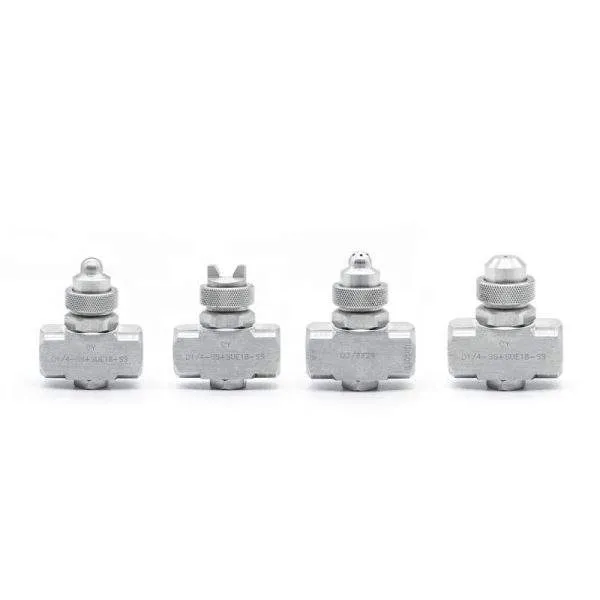
D Series Air Atomizing Nozzle
Application: Conformal coating, flux application, precision spraying
Material: Stainless Steel / PVDF
View Details →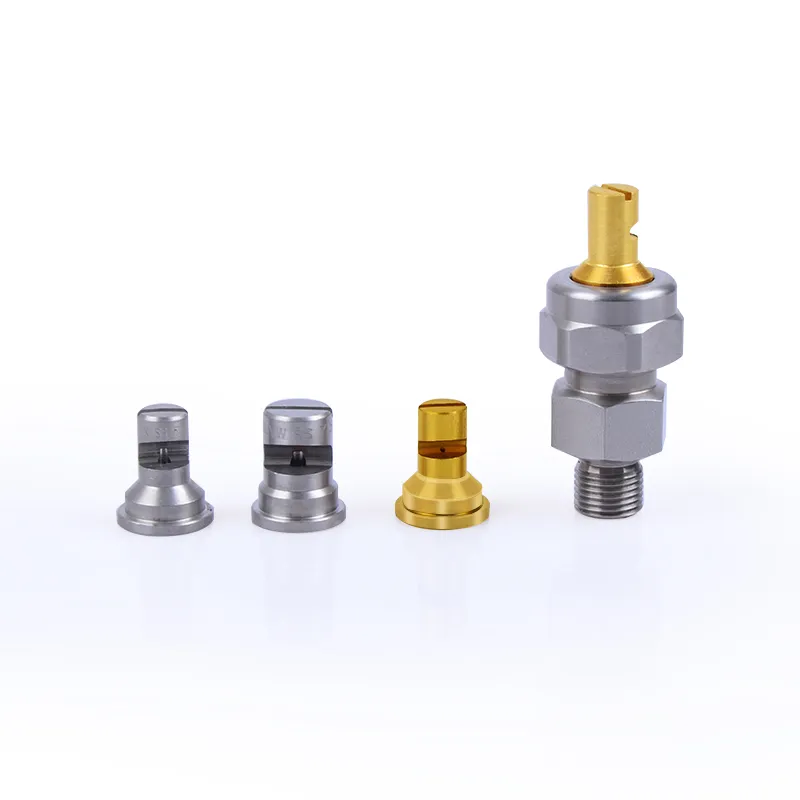
CC Flat Fan Spray Nozzle
Application: PCB cleaning, developer application, rinsing
Material: 316 Stainless Steel
View Details →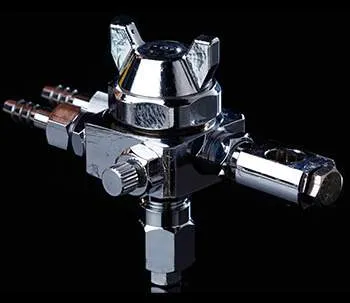
PVDF Chemical Resistant Nozzle
Application: Ultra-pure water systems, chemical processing
Material: PVDF
View Details →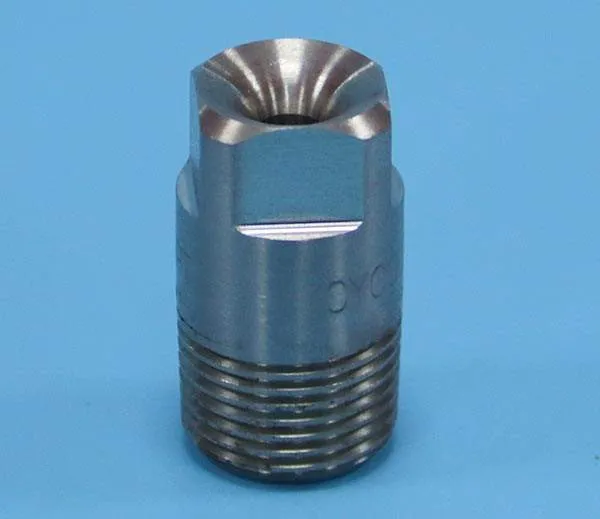
Fine Atomizing Nozzle
Application: Fine coating application, humidification
Material: Stainless Steel
View Details →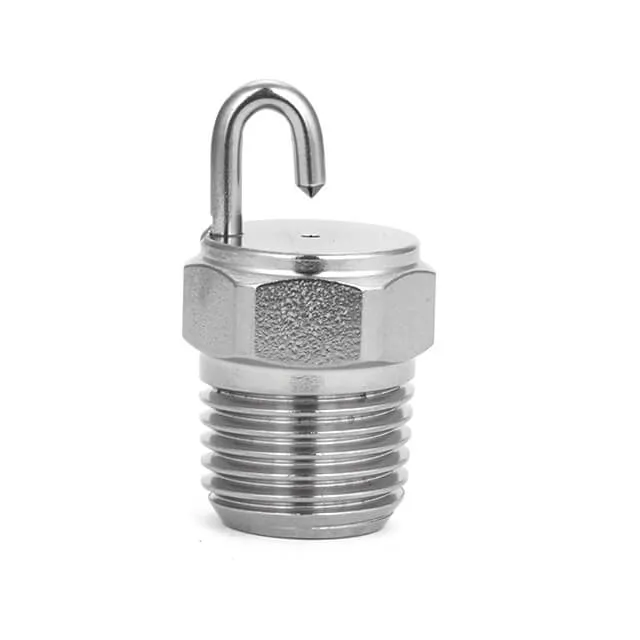
Anti-Drip Atomizing Nozzle
Application: Coating systems preventing drips on PCBs
Material: Stainless Steel / PVDF
View Details →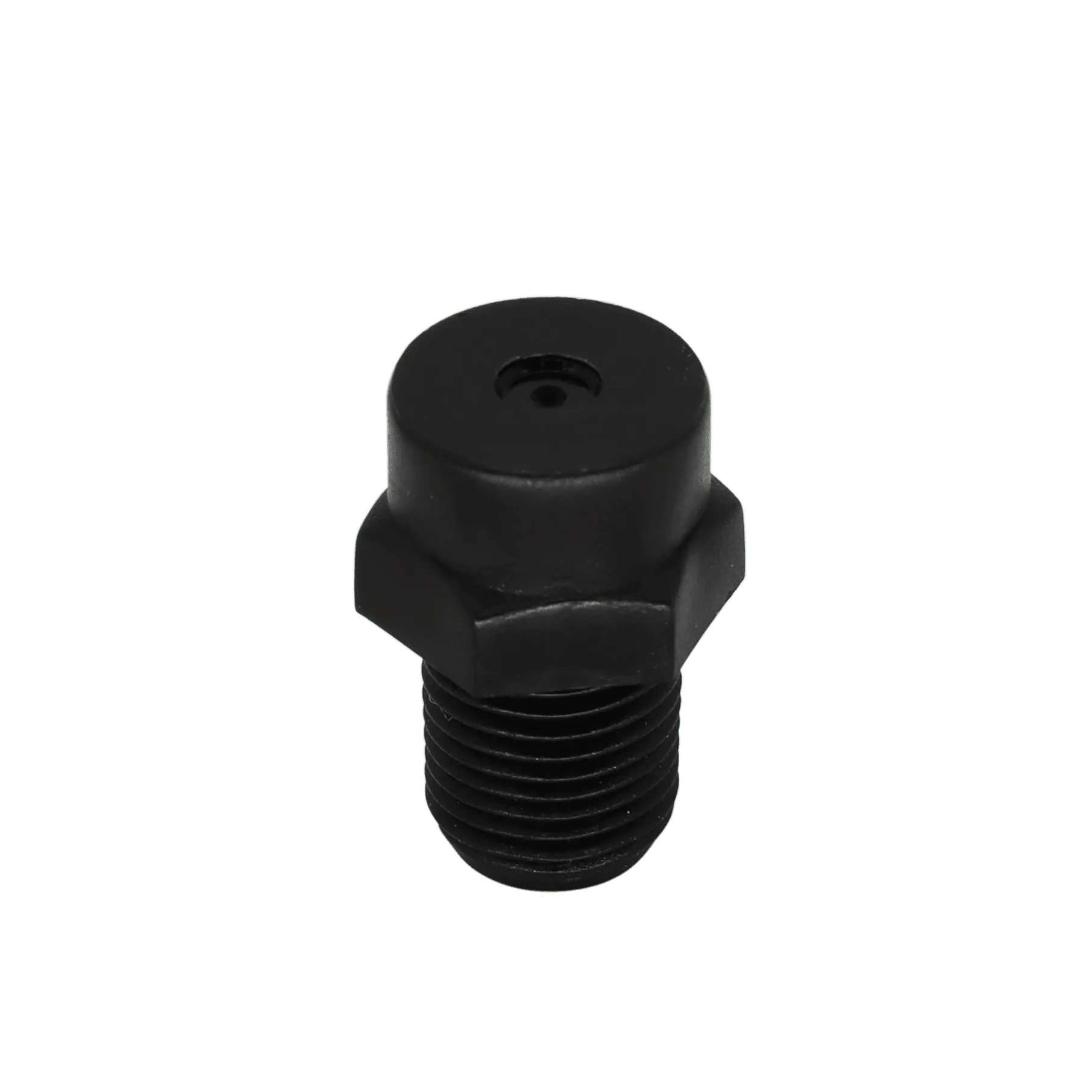
Plastic Fine Mist Nozzle
Application: Humidification, light coating, cleanroom spray
Material: Polyacetal (POM)
View Details →Frequently Asked Questions
Electronics manufacturing uses specialized nozzles for contamination-sensitive applications. Conformal coating systems require air atomizing nozzles providing fine droplet sizes of 40-100 microns for uniform film thickness on PCBs with HVLP or pressure-feed configurations. PCB cleaning uses flat fan nozzles delivering high-velocity spray removing flux residues from under fine-pitch components with PVDF or 316L stainless steel construction preventing ionic contamination. Flux application employs precision air atomizing nozzles applying controlled quantities to solder pads before SMT assembly. Developer and etchant spray systems in PCB fabrication use chemically-resistant full cone nozzles for uniform coverage. Cleanroom humidification requires ultra-pure water compatible fine mist nozzles maintaining 40-60% RH for static control. All electronics nozzles must prevent particle shedding and ionic leaching meeting cleanroom and IPC standards.
Yes, we specialize in spray nozzles engineered for ultra-pure water (UPW) systems used in electronics manufacturing. Our nozzles feature PVDF (polyvinylidene fluoride) and PFA (perfluoroalkoxy) construction materials meeting SEMI specifications for semiconductor-grade systems with ionic leaching below detection limits. Electropolished 316L stainless steel provides ultra-smooth surfaces preventing bacterial growth and particle accumulation. All wetted components undergo ultrasonic cleaning in electronic-grade solvents and nitrogen purging before cleanroom packaging. We provide material certifications documenting purity specifications, ionic contamination test reports to ASTM standards, and particulate cleanliness documentation. Our UPW nozzles maintain water resistivity above 18 MΩ·cm without ionic contamination suitable for critical cleaning, rinsing, and humidification applications in Class 100 cleanrooms. Flow testing uses 0.2 micron filtered DI water ensuring delivered spray quality meets specifications.
Electronics manufacturing chemicals require specialized nozzle materials for long service life and contamination-free operation. PVDF (polyvinylidene fluoride) offers excellent resistance to solvents including isopropyl alcohol, acetone, and specialized flux removers with ultra-low ionic leaching suitable for critical cleaning applications. PFA (perfluoroalkoxy) provides superior chemical resistance to aggressive developers, etchants, and strippers with temperature capability to 200°C and the lowest ionic contamination of any plastic. 316L stainless steel electropolished finish resists most electronics cleaning chemicals with ultra-smooth surface preventing particle traps and bacterial growth. PTFE (Teflon) delivers universal solvent resistance but limited to lower pressure applications. Standard materials NOT recommended include brass (zinc contamination), aluminum (ionic leaching), and acetal plastics (solvent incompatibility). We provide chemical compatibility charts and ionic contamination test data for all materials ensuring compliance with IPC and JEDEC cleanliness standards.
Yes, we provide direct replacement nozzles for electronics spray systems from all manufacturers. Our engineering team conducts on-site process audits evaluating cleaning effectiveness through ionic contamination testing, documenting conformal coating thickness uniformity, measuring existing nozzle specifications and performance, analyzing quality defects including coating bridges or cleaning residues, and identifying opportunities for material savings and throughput improvements. We offer drop-in replacements maintaining existing manifold connections while upgrading to superior chemical resistance, ionic purity, or spray precision. For conformal coating retrofits, we provide optimized atomization packages delivering better coverage uniformity and reduced material consumption. For cleaning systems, we design custom spray manifolds improving contamination removal while reducing DI water and solvent usage. Most electronics retrofit projects achieve payback within 6-15 months through reduced material costs, improved yields reducing rework, and faster cycle times increasing throughput.
Electronics manufacturers typically achieve 30-50% material cost reduction through spray system optimization. First, upgrade to precision air atomizing nozzles with controlled droplet size distribution minimizing overspray waste in conformal coating operations. Implement robotic spray systems providing repeatable application paths eliminating manual variability and material overages. Optimize spray patterns and application speeds matching material delivery to actual PCB coverage requirements. Install metering systems delivering exact chemical quantities based on board size eliminating waste. Add closed-loop solvent recycling systems filtering and reusing IPA and specialized cleaners reducing consumption by 40-60%. Implement spray-in-air cleaning replacing immersion tanks reducing chemical volume while improving cleaning effectiveness under components. Use selective coating nozzles eliminating masking materials and labor. Install real-time monitoring tracking coating thickness and cleanliness ensuring specifications met without over-processing. Typical annual savings of $75,000-300,000 for medium electronics manufacturers with payback periods of 8-18 months on spray system optimization investments.
Electronics spray nozzle maintenance varies by application. Conformal coating nozzles require daily purging with solvent preventing dried coating buildup in passages, weekly inspection and cleaning of air caps and fluid tips, monthly flow testing verifying atomization quality and material delivery rates, and replacement when spray patterns become irregular affecting coating uniformity. PCB cleaning nozzles need weekly inspection for particulate clogging especially in high-contamination processes, monthly verification of spray patterns and coverage, and quarterly replacement in aggressive chemical environments where PVDF or PFA materials may degrade. Flux spray nozzles require daily cleaning preventing dried flux accumulation, weekly flow calibration ensuring precise application quantities, and replacement when orifices enlarge affecting flux volume. All electronics nozzles require cleanroom handling procedures during maintenance preventing contamination introduction. Quick-disconnect nozzle systems enable replacement without tools during production changeovers. We provide maintenance training, cleanroom-packaged spare parts, and remote support for electronics manufacturers troubleshooting spray-related quality issues.