



How to Achieve Perfect Atomization: Tips from Industry Experts
Achieving perfect atomization is critical for pharmaceutical coating, automotive painting, and more. Poor atomization wastes materials, compromises quality, and increases costs. This guide compiles expert insights to help you optimize spray atomization.
Table of Contents
- 1. Understanding the Fundamentals of Atomization
- 2. Critical Parameters That Affect Atomization Quality
- 3. Optimizing Air Pressure for Perfect Atomization
- 4. Managing Liquid Viscosity and Flow Rate
- 5. Selecting the Right Nozzle for Your Application
- 6. Troubleshooting Common Atomization Problems
- 7. Quality Control and Performance Monitoring
- 8. FAQ
- 8.1. Q: Optimal ALR?
- 8.2. Q: Nozzle replacement interval?
- 8.3. Q: Air nozzles for high viscosity?
- 8.4. Q: Uneven pattern after cleaning?
- 8.5. Q: Reduce air consumption?
- 8.6. Q: Pulsating spray cause?
- 8.7. Q: Temperature effect?
- 9. Conclusion
Understanding the Fundamentals of Atomization
Atomization breaks liquid streams into fine droplets using mechanical forces, compressed air, or ultrasonic energy. The goal is uniform droplet sizes for optimal coverage.
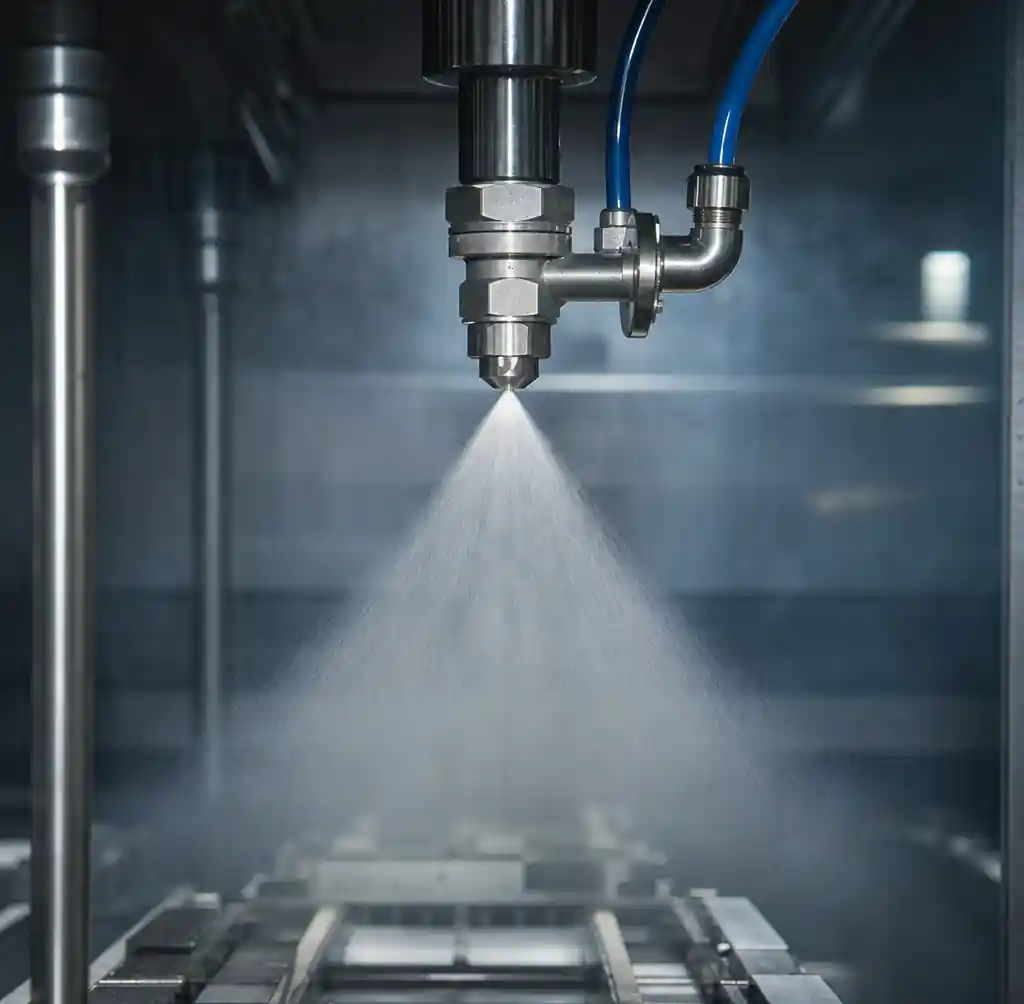 Industrial air atomizing nozzle creating fine spray droplets in manufacturing facility
In air-assisted atomization, high-velocity gas shears liquid, achieving fine droplets at lower pressures than conventional methods—ideal for viscous materials.
Critical Parameters That Affect Atomization Quality
Perfect atomization requires balancing multiple parameters:
| Parameter | Impact | Optimal Range |
|---|---|---|
| Air Pressure | Higher = finer droplets | 0.3-0.7 MPa |
| Air-to-Liquid Ratio (ALR) | Higher ALR = smaller droplets | 0.5-1.5 by mass |
| Liquid Viscosity | Lower = better atomization | <100 cP |
| Flow Rate | Must match nozzle | Per specs |
| Spray Distance | Affects coverage | 15-30 cm |
Research shows ALR 1.0, water at 2.5-3 bar, air at 0.35-1 bar produces 20-30 µm droplets—ideal for coating.
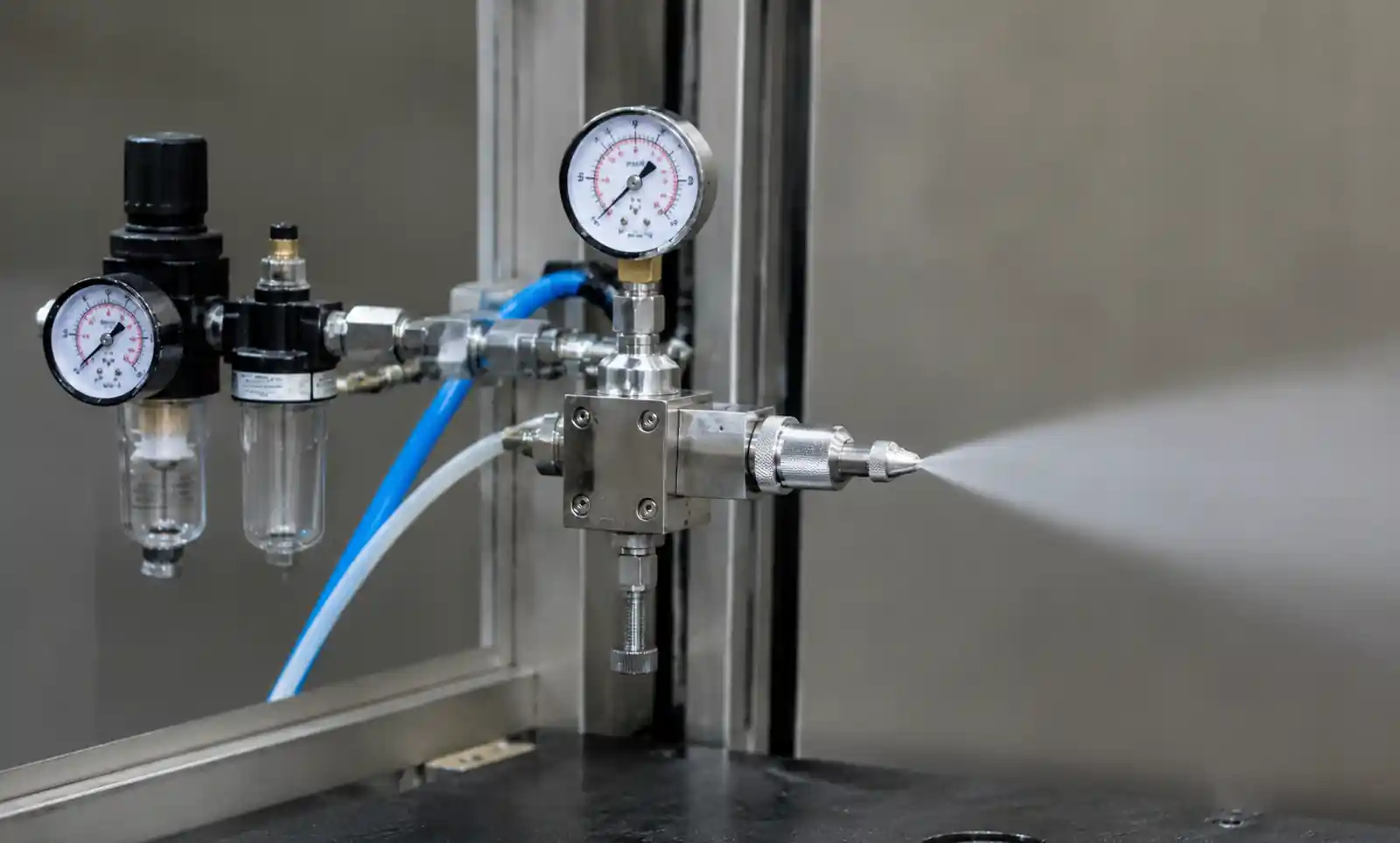 Close-up of air pressure gauge and liquid flow measurement equipment on atomizing nozzle
Optimizing Air Pressure for Perfect Atomization
Air pressure is the most accessible control parameter.
Start Low, Adjust Up: Begin at 30-40 PSI for air atomizing nozzles. Increase in 5 PSI increments. Stop when uniform.
Account for Viscosity: 50 cP coats may atomize at 40 PSI; 200 cP needs 60-70 PSI.
Use dedicated regulators. Check pressure drop in long hoses. Studies show reducing 0.7 to 0.5 MPa cuts air costs 30% while maintaining quality.
Managing Liquid Viscosity and Flow Rate
Viscosity affects atomization most. Thicker fluids need more energy.
Research confirms higher viscosity reduces spray angle, generates larger droplets.
| Viscosity (cP) | Droplet Size | Recommended Nozzle |
|---|---|---|
| 1-20 | 10-30 µm | Standard air atomizing |
| 20-100 | 30-80 µm | Air atomizing, fine misting |
| 100-500 | 80-200 µm | High-pressure air atomizing |
| 500+ | 200+ µm | Heated systems |
Temperature Management: Heat thins liquids—100 cP at 20°C may drop to 40 cP at 60°C.
Flow Rate Matching: Never exceed nozzle max flow.
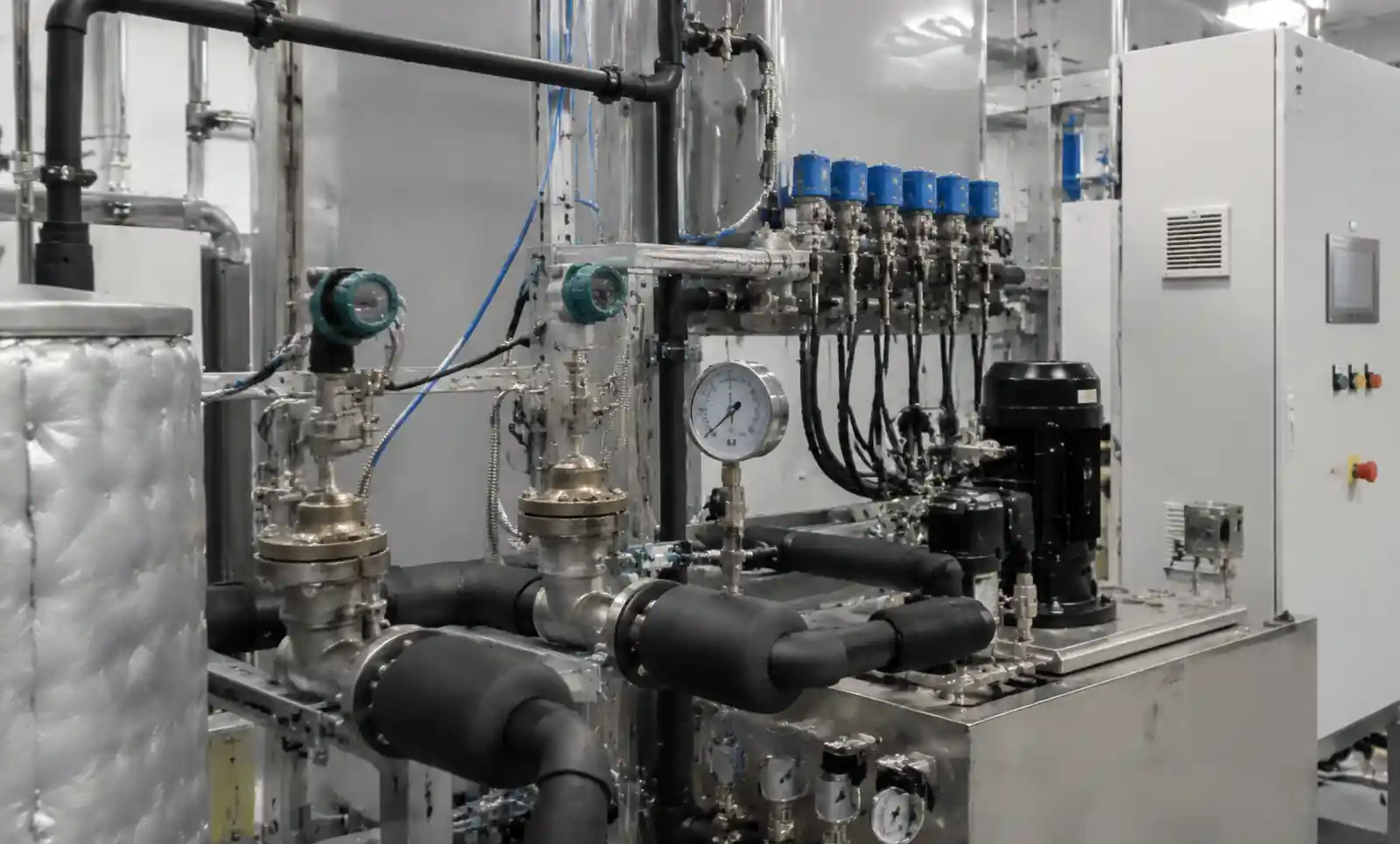 Heated liquid supply system with temperature control for viscosity management in spray atomization
Selecting the Right Nozzle for Your Application
Nozzle choice determines performance limits.
Air Atomizing vs. Pressure Atomizing: Air type (range) handles viscous fluids, finer spray, needs compressed air. Pressure type is simpler, for low-viscosity only.
Internal Mix vs. External Mix: Internal = finer (10 µm) but clogs easily. External = forgiving, easier to clean, 20-50 µm.
Fine misting nozzles offer narrow cones (10-30°) for precision; wide-angle (60-120°) for large areas.
Troubleshooting Common Atomization Problems
| Problem | Symptoms | Causes | Solutions |
|---|---|---|---|
| Coarse Drops | Dripping | Low pressure, high viscosity | Increase pressure; heat |
| Uneven Pattern | Streaks | Clogged orifice | Clean; replace parts |
| Overspray | Waste | Too high pressure | Reduce pressure |
| Pulsating | Inconsistent | Air in line | Bleed air |
| Dripping | Leaks when off | Worn seals | Replace seals |
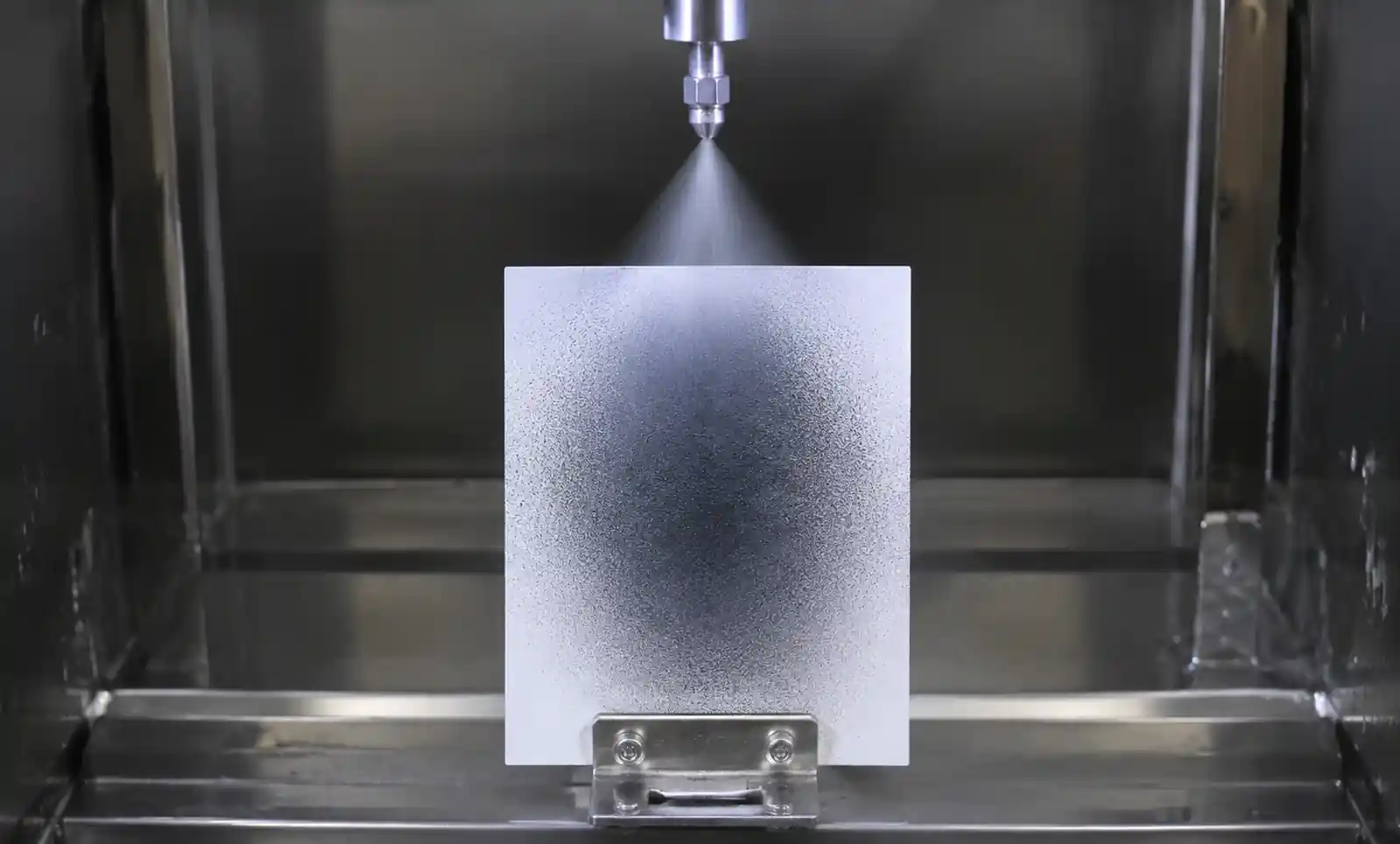 Spray pattern testing card showing uniform atomization coverage and droplet distribution
Research shows 90% of problems trace to material, pressure, dirty nozzles, or technique.
Diagnostic Process: Verify supply → Inspect nozzle → Check viscosity → Test one variable at a time → Replace worn parts.
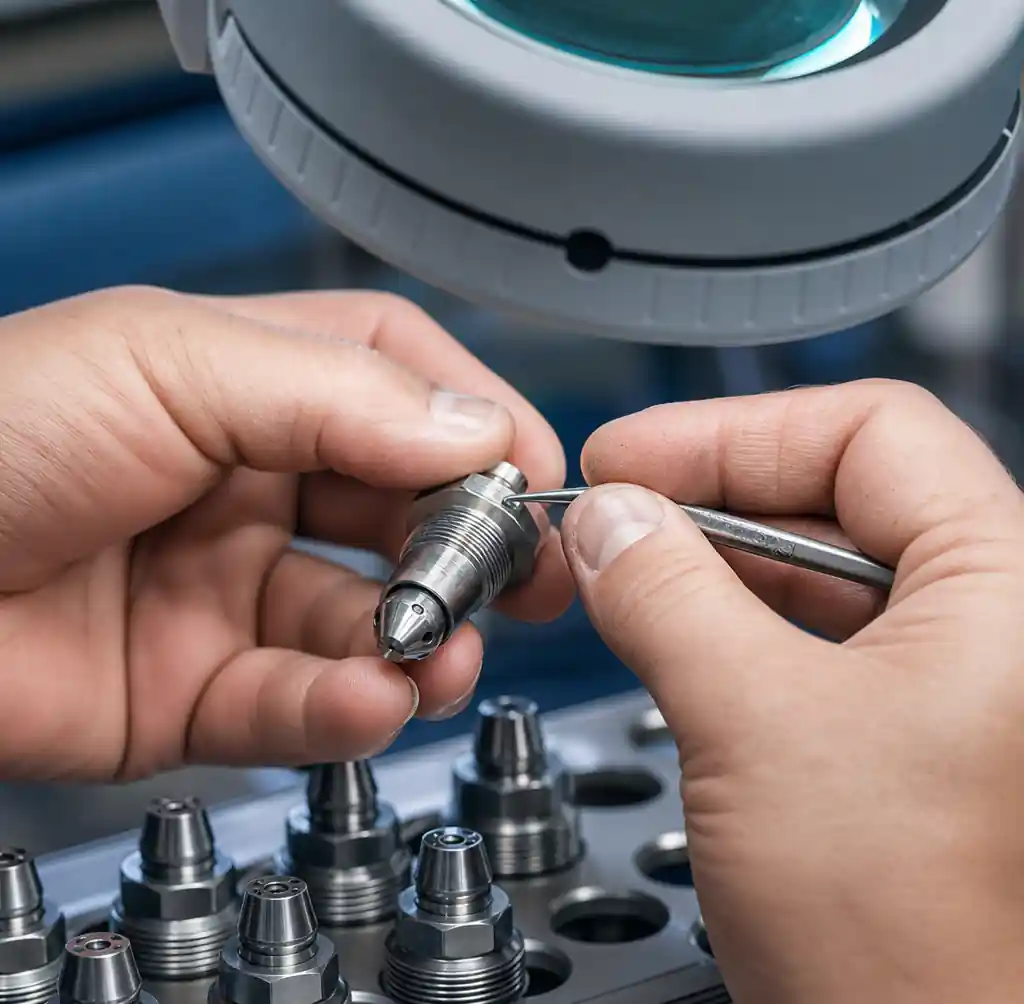 Technician inspecting and cleaning industrial atomizing nozzle components
Quality Control and Performance Monitoring
Droplet Size Targets:
- Pharmaceutical coating: 30-50 µm
- Agricultural: 100-300 µm
- Humidification: 10-20 µm
- Paint: 40-80 µm
Monitoring: Spray pattern cards, pressure logging, consumption tracking. Inspect daily for high-solids; weekly for water-based.
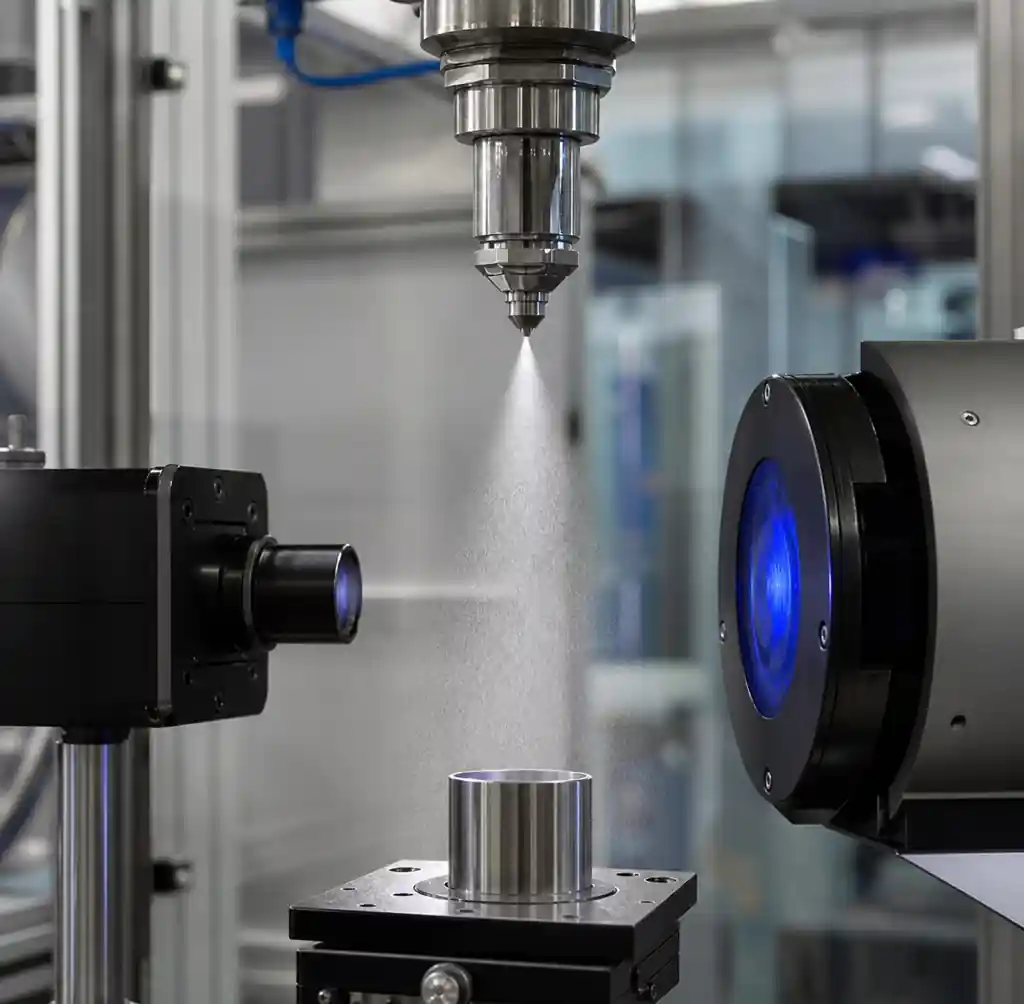 Laser diffraction equipment measuring spray droplet size distribution from atomizing nozzle
FAQ
Q: Optimal ALR?
A: 0.5-1.5 by mass. Research shows diminishing returns beyond 1.5.
Q: Nozzle replacement interval?
A: When pattern degrades. Abrasive: 500-1000 hrs; clean water: 5000+ hrs.
Q: Air nozzles for high viscosity?
A: Yes, up to 500-1000 cP with heating.
Q: Uneven pattern after cleaning?
A: Improper reassembly—align air caps and tips precisely.
Q: Reduce air consumption?
A: Don't over-pressurize. Modern air atomizing nozzles achieve fine atomization at lower consumption.
Q: Pulsating spray cause?
A: Air in liquid line—check suction side.
Q: Temperature effect?
A: Warmer = easier atomization. Keep within 20-60°C.
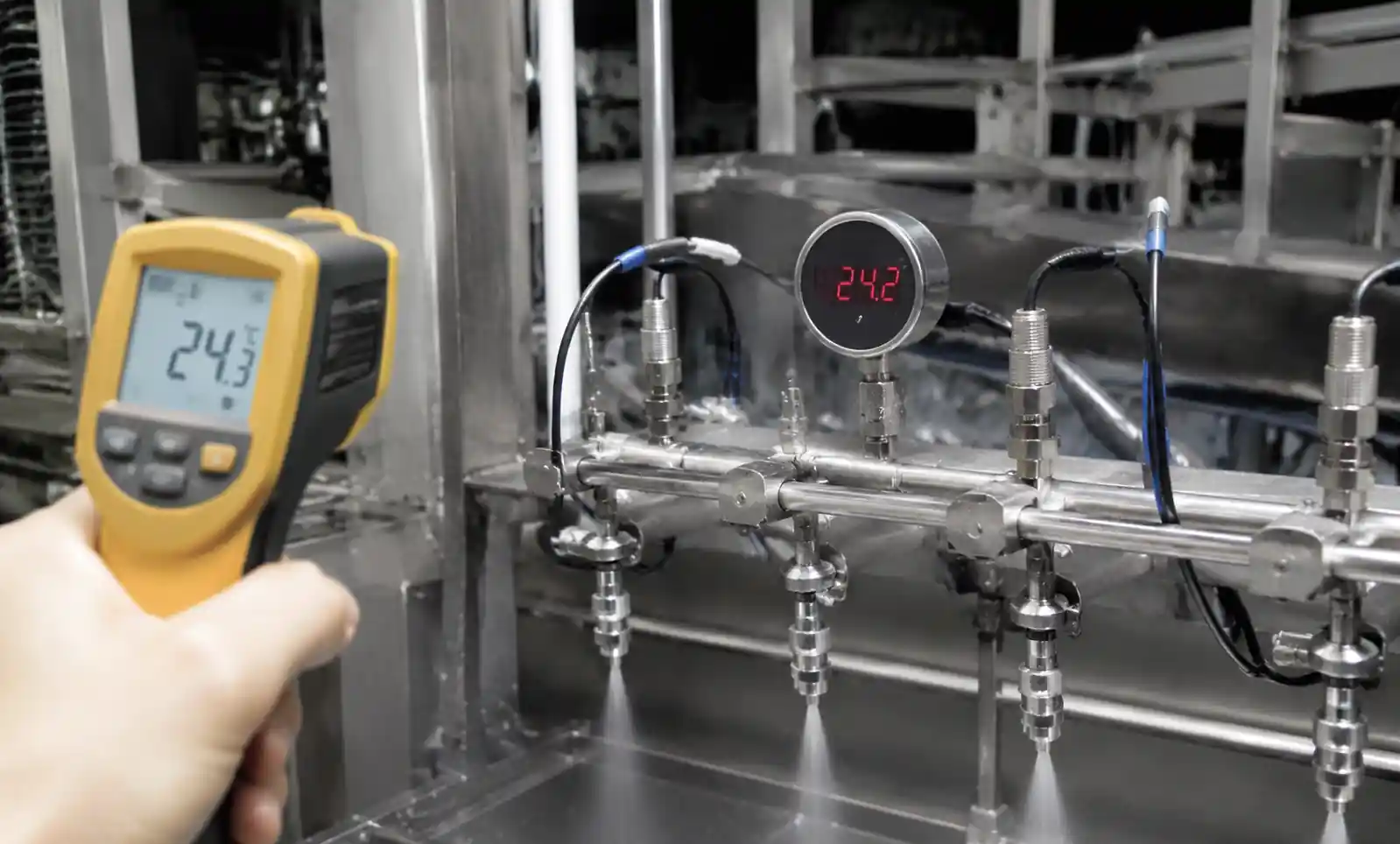 Temperature monitoring equipment on industrial spray atomization system
Conclusion
Perfect atomization balances air pressure, viscosity, nozzle design, and technique. Choose hardware matched to your material. Optimize ALR between 0.5-1.5. Monitor with pattern cards and consumption data. Troubleshoot systematically. The payoff: less waste, better quality, lower costs.
Need nozzle selection help? Visit our products page or contact our team.