



Food Grade Spray Nozzles: Hygiene and Safety Requirements
Food safety incidents cost the global food industry $110 billion annually in recalls, lawsuits, and brand damage, with contaminated processing equipment identified as the root cause in 65% of pathogen outbreaks traced to manufacturing facilities. Spray nozzles represent critical control points in food processing hygiene because inadequate cleaning leaves residue harboring Salmonella, Listeria, and E. coli that contaminate subsequent production batches despite facility-wide sanitation protocols.
If you want to specify food-grade spray nozzles that meet FDA regulations, 3-A sanitary standards, and GMP requirements while preventing cross-contamination in food processing operations, then you will need to understand material specifications, surface finish requirements, cleanability criteria, and validation protocols that separate compliant sanitary equipment from standard industrial nozzles. This guide examines the hygiene and safety requirements that engineers and food safety managers must verify when selecting spray nozzles for CIP systems, product contact applications, and pharmaceutical-grade food manufacturing.
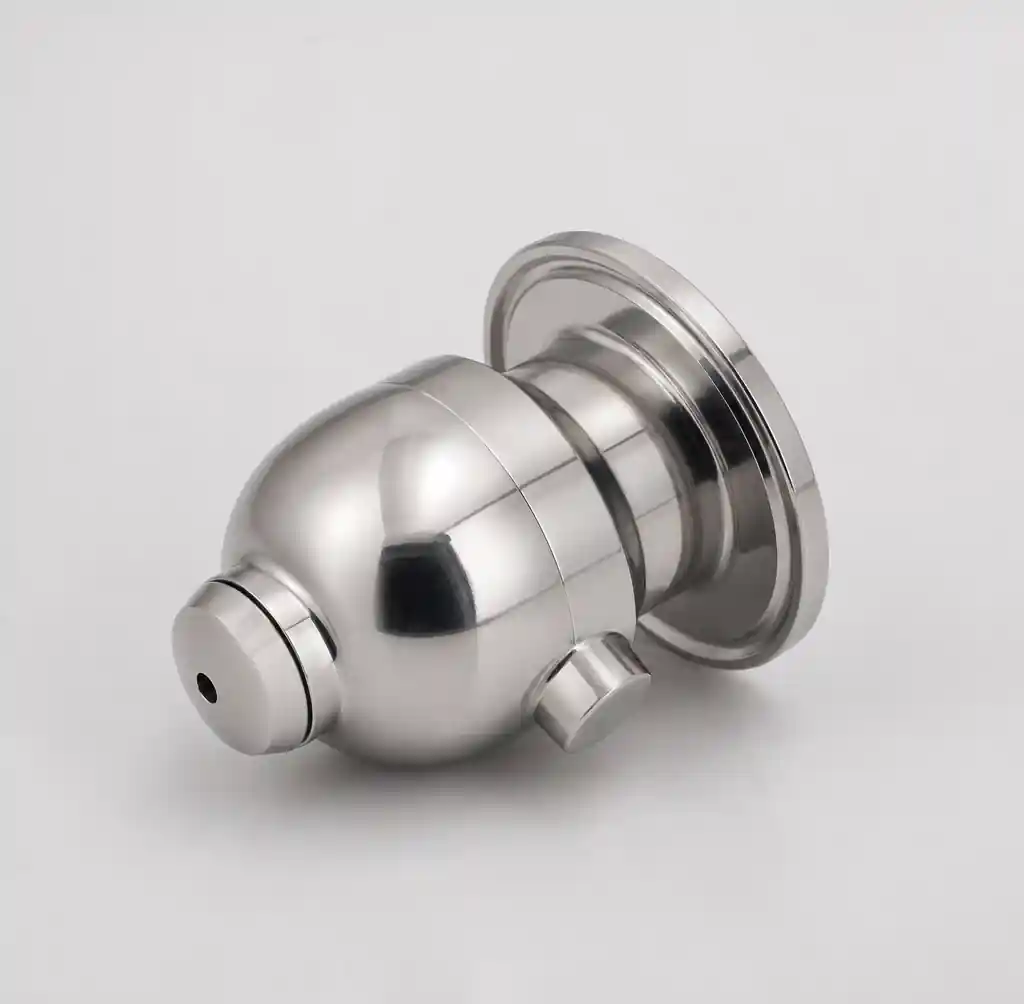 Food grade 316L stainless steel spray nozzle with sanitary tri-clamp connection
Table of Contents
- 1. Regulatory Framework for Food Grade Spray Nozzles
- 2. Material Requirements for Sanitary Spray Nozzles
- 3. Surface Finish and Cleanability Standards
- 4. Sanitary Design Principles for Food Processing Nozzles
- 5. CIP Performance and Cleaning Validation
- 6. Material Compatibility and Chemical Resistance
- 7. Installation and Maintenance Requirements
- 8. Industry-Specific Applications and Standards
- 9. FAQ
- 9.1. What makes a spray nozzle "food grade" compared to standard industrial nozzles?
- 9.2. Do spray nozzles require 3-A certification or is FDA compliance sufficient?
- 9.3. What surface finish is required for pharmaceutical-grade food processing nozzles?
- 9.4. How do you verify spray nozzle cleaning effectiveness during CIP validation?
- 9.5. Can plastic spray nozzles meet the same sanitary standards as stainless steel?
- 9.6. What are the consequences of using non-compliant spray nozzles in food processing?
- 10. Conclusion
Regulatory Framework for Food Grade Spray Nozzles
Food processing spray nozzles must comply with multiple regulatory frameworks depending on application and jurisdiction. The FDA does not directly certify spray nozzle materials but establishes criteria under Title 21 Code of Federal Regulations that manufacturers must meet to legally market equipment for food contact applications.
FDA 21 CFR 177.2415 governs rubber and elastomeric materials used in spray nozzle seals and O-rings intended for repeated food contact. This regulation specifies extractable limits, temperature tolerances, and approved polymer compositions. 21 CFR 110.40 establishes Current Good Manufacturing Practice requirements for equipment and utensils, mandating that all food contact surfaces be constructed from materials that withstand their intended use environment and can be adequately cleaned and sanitized. 21 CFR 178.3297 addresses indirect food additives in equipment surfaces, covering metallic and plastic components that may contact food during processing.
3-A Sanitary Standards provide voluntary but widely adopted criteria for hygienic design of dairy and food processing equipment. Standard 78-03 specifically addresses spray cleaning devices intended to remain in place during processing operations. These standards require that equipment be cleanable to a microbiological level, inspectable to verify cleanliness, made from nontoxic materials, and able to withstand repeated cleaning and sanitizing cycles without degradation.
European food processing facilities must comply with EC Regulation 1935/2004 on materials intended for food contact, along with specific framework regulations covering plastics (EU 10/2011), ceramics, and active packaging. The standards require migration testing, compositional limits, and documentation tracing material compliance from raw polymer to finished nozzle.
GMP requirements for pharmaceutical-grade food manufacturing add validation and documentation layers beyond basic FDA compliance. Equipment cleaning validation under 21 CFR Part 211.67 requires documented evidence that cleaning processes consistently remove product residues, cleaning agents, and microbial contamination to predetermined acceptable limits. Tank cleaning nozzles used in pharmaceutical food processing must demonstrate validated performance through microbial swab testing and residue analysis.
| Regulation | Jurisdiction | Scope | Key Requirements |
|---|---|---|---|
| 21 CFR 177.2415 | USA (FDA) | Rubber seals, gaskets | Extractables limits, temperature tolerance |
| 21 CFR 110.40 | USA (FDA) | Equipment design, CGMP | Cleanable, non-toxic, suitable materials |
| 3-A Standard 78-03 | USA (Voluntary) | Fixed spray cleaning devices | Sanitary design, inspectable, cleanable |
| EC 1935/2004 | European Union | All food contact materials | Migration limits, traceability, declarations |
| 21 CFR Part 211.67 | USA (FDA) | Pharmaceutical food grade | Cleaning validation, documentation |
Material Requirements for Sanitary Spray Nozzles
Material selection determines whether spray nozzles meet food safety requirements and withstand the chemical and thermal stresses of CIP cleaning cycles. Stainless steel grades 304 and 316L dominate food processing applications due to corrosion resistance, non-toxicity, and compliance with FDA food contact regulations under the Generally Recognized as Safe framework.
Type 316L stainless steel provides superior performance in acidic food processing environments and high-chloride cleaning solutions. The molybdenum content (2-3%) enhances pitting and crevice corrosion resistance compared to 304 stainless steel, extending service life in tomato processing, citrus juice production, and facilities using chlorinated alkaline cleaners. The low carbon content (0.03% maximum) in 316L prevents carbide precipitation during welding, eliminating intergranular corrosion that creates contamination harborage sites.
You should specify 316L stainless steel for spray nozzles exposed to acidic foods (pH below 4.5), salt brines, or cleaning chemistries containing greater than 200 ppm chlorine. Type 304 stainless steel performs adequately in neutral pH food processing with standard alkaline and acid CIP chemistries at temperatures below 80°C.
Plastic materials approved for food contact include PVDF (polyvinylidene fluoride), PTFE (polytetrafluoroethylene), and certain grades of polypropylene and acetal. PVDF spray nozzles offer chemical resistance exceeding 316 stainless steel against strong oxidizers, aromatic hydrocarbons, and hot acids while maintaining mechanical strength to 150°C. You can use PVDF nozzles in chemical leavening, chlorinated water treatment, and high-temperature CIP applications where metal ion contamination must be eliminated.
Brass and bronze alloys, despite excellent machinability, contain copper and zinc that migrate into acidic foods and oxidize during sanitation, disqualifying them from direct food contact applications. These materials appear in legacy installations but violate modern food safety standards for product-contact spray equipment.
Elastomeric seals and gaskets must comply with FDA 21 CFR 177.2415, 177.2600 (rubber articles), or 177.1550 (perfluorocarbon resins). Food-grade EPDM (ethylene propylene diene monomer) provides temperature resistance to 150°C with excellent compatibility with hot water, steam, and CIP chemicals. Silicone elastomers offer wider temperature range (-60°C to 230°C) but lower tear strength. PTFE and FKM (fluoroelastomer) seals handle aggressive chemicals and temperatures to 200°C in pharmaceutical food applications.
All materials must provide documentation demonstrating compliance with applicable regulations, including compositional certificates, extractable test reports, and FDA compliance letters. Manufacturers should supply material certifications traceable to heat lot or production batch for GMP documentation requirements.
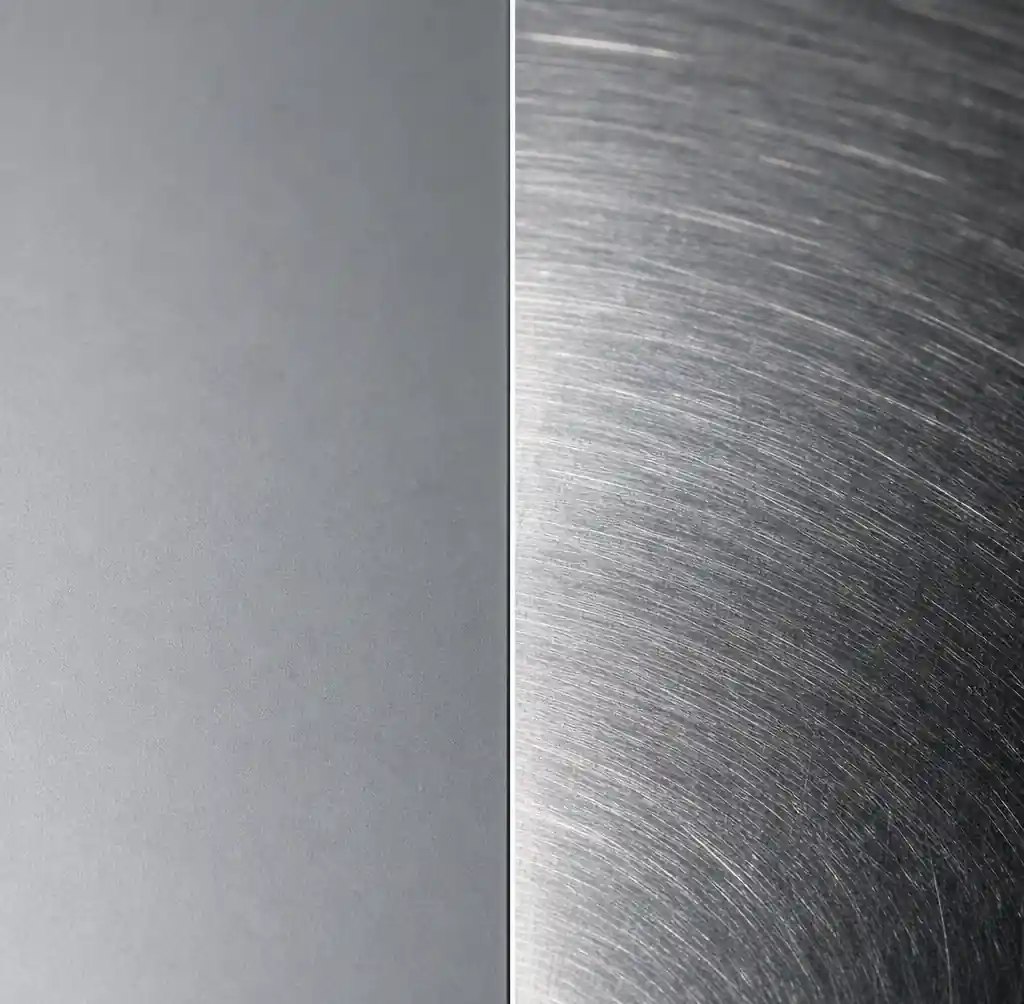 Surface finish comparison showing electropolished versus standard polished stainless steel
Surface Finish and Cleanability Standards
Surface finish directly impacts bacterial adhesion, cleanability, and sanitary performance of food-grade spray nozzles. The 3-A Sanitary Standards specify maximum surface roughness of Ra 0.8 micrometers (32 microinches) for product contact surfaces, established through decades of microbiological research demonstrating that smoother surfaces prevent bacterial colonization and facilitate complete soil removal during CIP cycles.
Ra (roughness average) measures the arithmetic mean deviation of surface profile height. Standard mechanical polishing with 150-220 grit abrasives achieves the 3-A requirement of Ra 0.8 µm, designated as No. 4 sanitary finish. Dairy processing demands finer No. 4A finish with Ra 0.6-1.0 µm (24-40 microinches) achieved using 220-grit or finer abrasives because rapid bacterial growth in milk proteins requires superior surface smoothness for effective sanitizing.
Electropolishing enhances mechanical polishing through electrochemical material removal that creates a passive chromium oxide layer while reducing surface roughness approximately 50%. A mechanically polished Ra 50 microinch surface electropolishes to Ra 25 microinches or better. Electropolishing removes embedded iron particles, grinding debris, and heat-affected zones from welding that serve as corrosion initiation sites and bacterial attachment points.
Pharmaceutical food applications and aseptic processing require mirror polish finish (ASTM No. 8) with Ra 0.05-0.10 µm achieved through progressive mechanical polishing to 600-grit followed by buffing with fine abrasive compounds. These ultra-smooth surfaces minimize bacterial adhesion in low-acid foods, extended shelf-life products, and applications where chemical sanitizers cannot be used due to residue concerns.
Internal passages, threads, and complex geometries challenge achievement of sanitary surface finish. Spray nozzle orifices, swirl chambers, and fluid passages must receive equivalent surface treatment as external product-contact surfaces. Manufacturers use specialized tooling, electropolishing in masked configurations, and flow-through chemical polishing to treat internal surfaces inaccessible to mechanical abrasives.
Surface finish verification requires profilometry measurement at multiple locations including orifice edges, seal surfaces, mounting threads, and internal flow passages. Portable surface roughness testers provide field verification during equipment qualification, while laboratory optical profilometry documents baseline surface condition for cleaning validation protocols.
| Application | Finish Designation | Ra Value | Grit Requirement | Method |
|---|---|---|---|---|
| General food contact | No. 4 Sanitary | 0.8 µm (32 µin) | 150-220 grit | Mechanical polish |
| Dairy processing | No. 4A Dairy | 0.6-1.0 µm (24-40 µin) | 220+ grit | Mechanical + electropolish |
| Pharmaceutical food | No. 7/8 Mirror | 0.05-0.10 µm | 600+ grit + buff | Mechanical + chemical polish |
| High purity aseptic | Electropolished | ≤0.38 µm (15 µin) | Electropolish | Electrochemical removal |
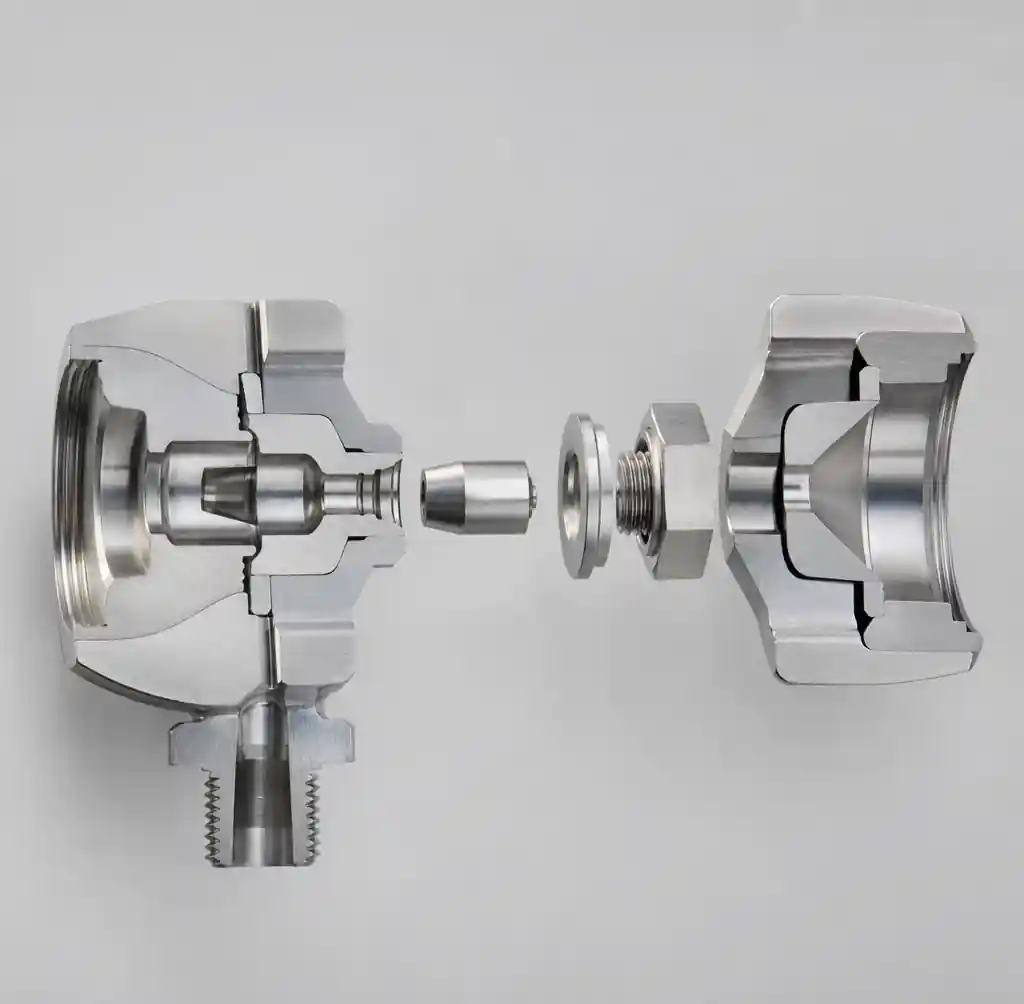 Sanitary design spray nozzle showing crevice-free construction and self-draining features
Sanitary Design Principles for Food Processing Nozzles
Hygienic design eliminates harborage points where food residues, cleaning solutions, and microorganisms accumulate beyond reach of CIP cleaning. The European Hygienic Engineering and Design Group and 3-A Sanitary Standards establish design criteria that food-grade spray nozzles must satisfy to prevent contamination and facilitate validation.
Self-draining configuration prevents pooling of product or cleaning solutions that support bacterial growth between production runs. Spray nozzles must be oriented and designed so gravity drainage completely empties internal cavities within 30 seconds of CIP rinse completion. Dead legs, pockets, and thread cavities that retain liquid require redesign or elimination.
Crevice-free construction eliminates gaps between components that trap soil and bacteria. Threaded connections, compression fittings, and multiple-piece assemblies create crevices harboring microorganisms resistant to CIP cleaning. Food-grade nozzles use conical ferrule connections, sanitary tri-clamp mounts, or welded construction that eliminates threads and crevices from the wetted flow path.
Gasket and seal design must prevent entrapment while maintaining sanitary performance. Captured O-rings in properly dimensioned glands prevent extrusion and exposure to product flow, while face seals using soft gaskets against polished metal surfaces create sanitary joints without crevices. Improperly compressed gaskets create bacterial harborage sites that invalidate otherwise compliant nozzle designs.
Welded joints require full penetration welds with smooth transitions free from undercut, overlap, or porosity. Incomplete weld penetration creates internal crevices invisible during inspection but accessible to bacteria-laden fluids. Spray nozzle manufacturers must provide weld procedure specifications and non-destructive test certifications for GMP documentation.
Accessibility for inspection and verification separates sanitary designs from standard industrial nozzles. All product-contact surfaces must be visually inspectable or accessible for swab sampling without disassembly. Tank cleaning nozzles mounted through vessel walls need tool-free removal for verification that internal surfaces meet cleanliness specifications before production resumes.
Dismantling for maintenance must not require specialized tools or skills that create inconsistent reassembly. Tri-clamp connections with captive gaskets, quick-disconnect couplings, and modular designs facilitate proper reinstallation by production personnel while maintaining sanitary configuration. Complex assemblies requiring calibrated torque, sequential tightening, or special tooling introduce human error that compromises sanitary performance.
Material compatibility throughout the wetted path prevents galvanic corrosion creating rough surfaces and metallic contamination. Dissimilar metals in contact under CIP conditions corrode preferentially, with less noble materials (carbon steel, brass) corroding when coupled to stainless steel. Food-grade spray systems must use compatible materials or isolate dissimilar metals with insulating gaskets.
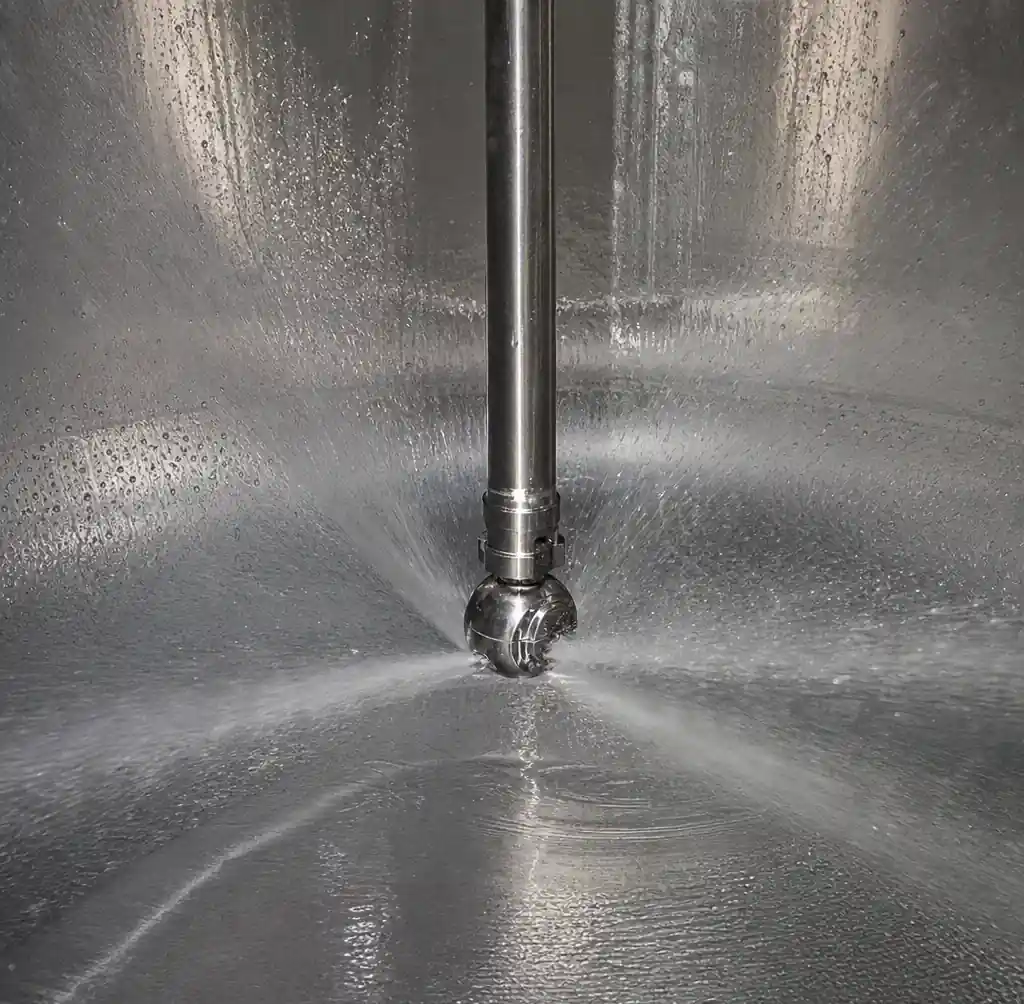 Tank cleaning nozzle operating in CIP system showing spray coverage pattern
CIP Performance and Cleaning Validation
Clean-in-place effectiveness depends on spray nozzle delivery of cleaning solutions at flow rates, pressures, and spray patterns that achieve complete soil removal from equipment surfaces. Inadequate CIP performance leaves protein, fat, and mineral deposits supporting bacterial biofilms that contaminate subsequent production despite meeting time and temperature parameters.
The Sinner Circle principle quantifies CIP effectiveness through four factors: chemical concentration, temperature, time, and mechanical action. Spray nozzles provide the mechanical action component through impact force, turbulent flow, and surface coverage. Doubling nozzle flow rate can reduce required cleaning time 40-60% while maintaining equivalent soil removal, demonstrating the critical role of hydraulic performance in sanitation effectiveness.
Spray impact force must exceed soil adhesion strength to physically dislodge baked-on proteins, polymerized fats, and mineral scale. Tank cleaning nozzles generate impact force through high-velocity jet streams, typically requiring 15-25 psi impact pressure at the target surface for effective cleaning. Rotary jet heads concentrate full system flow through 1-3 nozzles creating localized impact force 10-20 times greater than static spray balls while consuming 60-80% less water.
Coverage patterns determine whether CIP solutions contact all interior surfaces. Spray ball coverage decreases with tank diameter, leaving shadow zones in vessels exceeding 2.5 meters diameter where spray droplets fail to reach the surface with adequate velocity. Rotary tank cleaning nozzles maintain effective coverage in tanks to 12 meters diameter through programmed jet rotation that methodically indexes across all interior surfaces.
You should specify cleaning nozzle flow rate at 0.5-1.0 liters per minute per square meter of surface area for gravity drainage vessels, or 1.5-2.5 LPM/m² for complex geometries with internal baffles and agitators. Pharmaceutical tanks require 2.5-4.0 LPM/m² to meet stringent residue limits and achieve validated cleanliness within acceptable cycle times.
Cleaning validation protocols must demonstrate that specified CIP parameters consistently achieve predetermined acceptance criteria for residues and bioburden. Spray nozzle performance directly affects validation success and must be qualified before validation studies commence. Worst-case locations receive swab sampling for total organic carbon, protein residue, bioburden, and ATP bioluminescence at the beginning, middle, and end of the validation campaign.
Nozzle flow rate verification during validation ensures actual performance matches design specifications. Flow meters, pressure gauges, and temperature probes document that CIP delivery systems maintain required parameters throughout cleaning cycles. Degraded nozzles with enlarged orifices from erosion, clogged passages from mineral buildup, or damaged rotating mechanisms invalidate previous validation studies and require requalification.
Visual inspection after CIP completion precedes analytical verification. Food-grade spray nozzles must leave equipment surfaces free of visible soil, film, or foreign material as immediate evidence of cleaning effectiveness. Optical inspection using borescopes or video probes documents interior surface condition in tanks, reactors, and process vessels where direct observation is impractical.
 Microbiological swab testing for cleaning validation on food processing equipment
Material Compatibility and Chemical Resistance
Spray nozzles must withstand repeated exposure to food products, CIP chemicals, and sanitizers without degradation that creates contamination or compromises structural integrity. Chemical compatibility depends on material selection, concentration, temperature, and exposure duration during production and cleaning cycles.
Stainless steel 316L resists most food processing chemicals including nitric acid (up to 20% at 80°C), phosphoric acid (up to 50% at ambient), sodium hydroxide (up to 20% at 90°C), and sodium hypochlorite (up to 200 ppm at 60°C). Chloride stress corrosion cracking occurs in 316L stainless steel when chloride concentration exceeds 500 ppm at elevated temperature (above 60°C) under tensile stress, particularly in crevices and heat-affected zones near welds.
PVDF nozzles handle aggressive oxidizers including concentrated hydrogen peroxide (35%), peracetic acid (up to 15%), and high-chlorine sanitizers (1000+ ppm) that rapidly corrode stainless steel. Caustic solutions up to 50% sodium hydroxide at 80°C and most acids except concentrated sulfuric show excellent compatibility. You should specify PVDF spray nozzles for chlorine dioxide generation systems, peroxide-based aseptic processing, and caustic clean applications exceeding 5% sodium hydroxide at elevated temperature.
Elastomeric seals present the greatest chemical compatibility challenge because they contact both food products and CIP chemicals in alternating cycles. EPDM seals resist hot water, steam, and standard CIP chemicals but swell in contact with fats, oils, and many organic solvents. FKM (Viton) fluoroelastomers resist petroleum products, animal fats, and aromatic hydrocarbons but degrade in alkaline solutions above 5% sodium hydroxide. PTFE seals offer universal chemical resistance but require higher compression forces and provide lower elasticity than rubber compounds.
Sanitizer selection impacts material compatibility significantly. Quaternary ammonium compounds and iodophors show broad material compatibility at use concentrations (200-400 ppm). Chlorine-based sanitizers at recommended concentrations (50-200 ppm) are compatible with 316L stainless steel but cause pitting in 304 stainless steel and corrode brass, aluminum, and mild steel components. Peracetic acid sanitizers (80-200 ppm) demonstrate excellent material compatibility with stainless steel and PVDF but attack some elastomers at elevated concentrations.
Temperature affects chemical resistance through accelerated reaction kinetics and material thermal expansion. Alkaline cleaners tolerated at ambient temperature can cause stress corrosion cracking in stainless steel at elevated temperature. Plastic nozzles resistant to chemicals at 25°C may soften, warp, or crack under identical chemical exposure at CIP temperatures of 75-85°C.
Manufacturers should provide chemical resistance charts documenting compatibility at expected use concentrations and temperatures. These charts typically rate materials as "A" (excellent, no degradation), "B" (good, minor discoloration or slight softening), "C" (fair, significant degradation), or "D" (not recommended, severe degradation). You must verify that all wetted components achieve "A" or "B" ratings for both food products and CIP chemicals in the specific process application.
| Material | Caustic (5% NaOH, 80°C) | Acid (3% HNO₃, 60°C) | Chlorine (200 ppm, 60°C) | PAA (200 ppm) | Typical Applications |
|---|---|---|---|---|---|
| 316L Stainless Steel | Excellent | Excellent | Good | Excellent | General food processing, CIP |
| PVDF | Excellent | Excellent | Excellent | Excellent | High-chlorine, oxidizer, caustic |
| PTFE | Excellent | Excellent | Excellent | Excellent | Universal chemical, high temp |
| EPDM | Excellent | Good | Good | Good | Hot water, steam, standard CIP |
| FKM (Viton) | Fair | Excellent | Good | Good | Fats, oils, organic solvents |
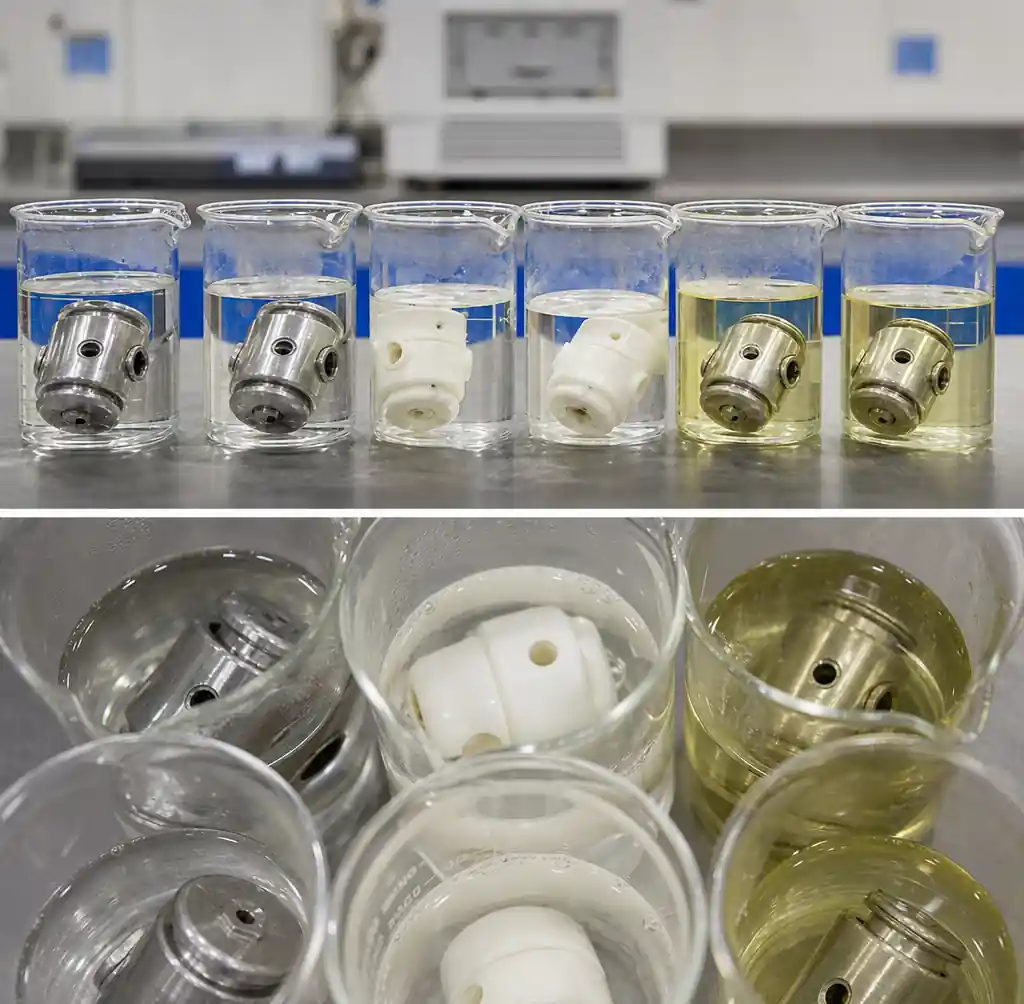 Chemical resistance testing of food-grade spray nozzle materials in laboratory
Installation and Maintenance Requirements
Proper installation ensures that food-grade spray nozzles function as designed while maintaining sanitary conditions throughout service life. Incorrect mounting orientation, inadequate support, or contaminated installation practices compromise hygiene regardless of nozzle design compliance.
Mounting orientation must provide gravity drainage from nozzle body and connected piping. Nozzles installed at the apex of horizontal pipe runs or in upward-facing orientations trap cleaning solutions that support bacterial growth between production cycles. Food-grade installations require nozzle orientation 15-30 degrees below horizontal or mounting in vertical down-firing positions that fully drain within 30 seconds of rinse completion.
Pipe supports must position spray nozzles with clearance from vessel walls, structural members, and adjacent equipment to allow unrestricted spray pattern development and facilitate inspection access. Tank cleaning nozzles require 360-degree clearance equal to spray radius, while fixed spray nozzles need unobstructed throw distance to target surfaces. Inadequate clearance creates cleaning shadow zones harboring soil and bacteria.
Thread sealants used on NPT connections must be FDA-compliant and applied only to male threads without contaminating the first thread. Excess thread compound entering the flow path creates soil entrapment sites and may contaminate food products. Sanitary installations increasingly use tri-clamp connections that eliminate threaded joints and potential contamination from thread sealants.
Installation torque specifications ensure proper gasket compression without over-stressing nozzle bodies. Under-torqued connections leak during CIP creating sanitation failures, while over-torqued fittings deform gaskets, crack nozzle bodies, or strip threads. Manufacturers should provide torque specifications and installation procedures for GMP documentation.
Maintenance procedures must maintain sanitary condition while addressing wear, fouling, and performance degradation. Spray nozzle orifices erode from abrasive slurries, cavitation, and mineral-laden water, enlarging openings that reduce spray velocity and impact force. Periodic flow rate verification detects enlarged orifices before cleaning effectiveness degrades below validated parameters.
You should establish PM schedules based on service severity: monthly inspection for abrasive applications (fruit pulp, vegetable processing), quarterly for standard food processing, and semi-annually for clean liquid handling. Inspection includes visual examination for damage, dimensional verification of orifice size, and functional testing of rotating mechanisms or automated spray heads.
Disassembly for maintenance requires documentation ensuring proper reassembly in sanitary configuration. Torque specifications, gasket replacement requirements, and inspection criteria must be recorded in equipment history files for GMP compliance. Reassembled nozzles require functionality testing and visual inspection before returning equipment to production service.
Spare parts inventory must include replacement nozzles, gasket kits, and wear components in quantities supporting rapid repair without compromising production schedules. Critical spray nozzles in aseptic filling, final product rinse, or CIP systems should have 100% spare coverage while less critical applications require 25-50% spare parts availability based on lead time and failure history.
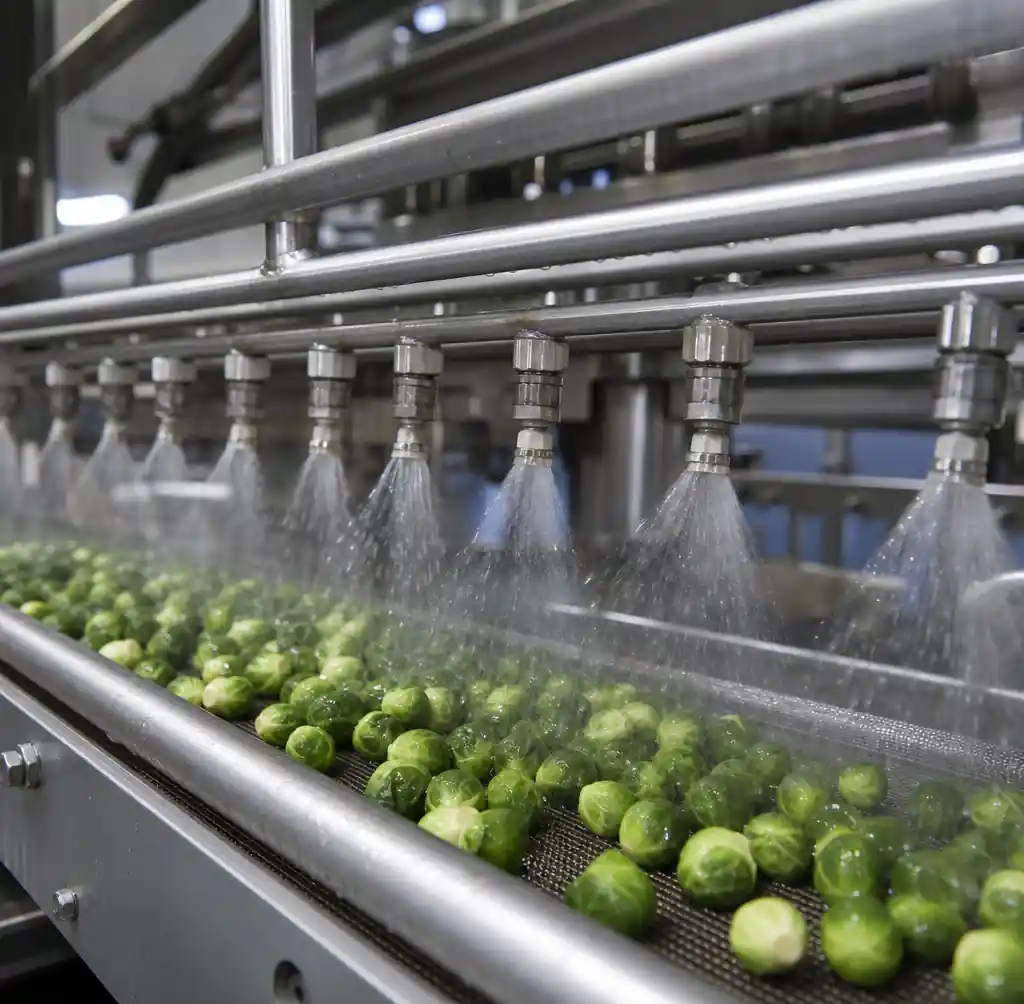 Food-grade spray nozzles installed in commercial food processing facility
Industry-Specific Applications and Standards
Different food processing sectors impose additional requirements beyond general FDA and 3-A standards based on product characteristics, contamination risks, and regulatory oversight intensity.
Dairy processing requires the strictest sanitary standards because milk proteins and fats support rapid bacterial growth while the product's neutral pH lacks natural antimicrobial properties. All spray nozzles contacting milk, cream, or dairy products must meet 3-A Standard 78-03 with electropolished surface finish Ra 0.6 µm or better. The USDA maintains an accepted equipment list for dairy processing that includes pre-approved spray cleaning devices and nozzle designs verified for sanitary performance.
Meat and poultry processing spray nozzles used for carcass rinsing, chiller systems, and equipment cleaning must withstand high organic load and frequent sanitizer contact while preventing Salmonella, E. coli O157:H7, and Campylobacter contamination. USDA-FSIS regulations require that water contact nozzles deliver potable water meeting EPA standards or food-grade antimicrobial solutions at validated concentrations. Stainless steel 316L resists the corrosive environment of chlorinated carcass rinse systems better than 304 alloys.
Beverage production presents unique challenges from carbonation, acidic pH (soft drinks, juice), and aseptic processing requirements (shelf-stable products). Spray nozzles in clean rooms and aseptic filling lines require validation demonstrating maintenance of ISO Class 5 air quality during operation. PVDF nozzles resist corrosion from acidic beverages and CIP chemicals while eliminating metallic ion contamination affecting product taste and stability.
Pharmaceutical food manufacturing operating under 21 CFR Part 211 GMP requirements needs complete cleaning validation documentation including worst-case studies, acceptance criteria, analytical methods, and change control procedures. Tank cleaning nozzles must demonstrate < 10 ppm total organic carbon residue and < 10 CFU/100cm² bioburden in validated studies. All modifications to nozzle type, CIP parameters, or cleaning chemicals require revalidation.
Ready-to-eat food processing presents high Listeria risk requiring enhanced environmental monitoring and sanitation. Spray nozzles in RTE zones must be removable for inspection and swab sampling as part of environmental monitoring programs testing for Listeria monocytogenes. Facilities use color-coded nozzles (red for raw zones, blue for RTE zones) to prevent cross-contamination during maintenance and cleaning operations.
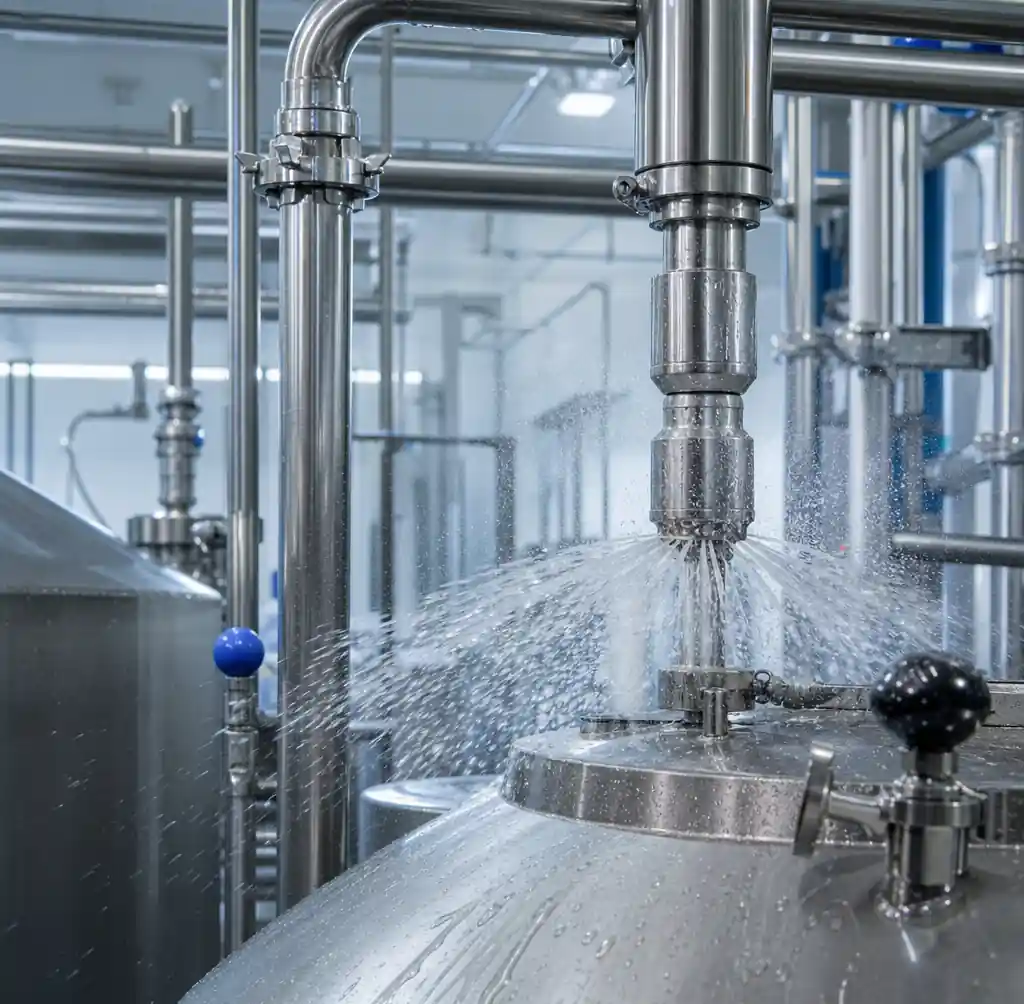 3-A certified spray nozzles in dairy processing tank cleaning application
FAQ
What makes a spray nozzle "food grade" compared to standard industrial nozzles?
Food-grade spray nozzles must use FDA-compliant materials (typically 316L stainless steel or FDA-approved plastics), achieve sanitary surface finish Ra ≤ 0.8 µm, incorporate self-draining crevice-free design, and provide documentation demonstrating regulatory compliance. Standard industrial nozzles lack material certifications, use brass or carbon steel construction, and incorporate threaded connections that create bacterial harborage sites prohibited in food contact applications.
Do spray nozzles require 3-A certification or is FDA compliance sufficient?
FDA compliance under 21 CFR establishes legal minimum requirements for food contact materials and equipment design. 3-A Sanitary Standards are voluntary but provide detailed design criteria that facilitate FDA compliance verification. While 3-A certification is not legally required, specifying 3-A Standard 78-03 compliance for spray cleaning devices ensures hygienic design, cleanability, and industry acceptance, particularly in dairy processing where USDA references 3-A standards.
What surface finish is required for pharmaceutical-grade food processing nozzles?
Pharmaceutical food applications typically require electropolished surface finish achieving Ra ≤ 0.38 µm (15 microinches) or mirror polish Ra 0.05-0.10 µm for aseptic processing and sterile manufacturing. These specifications exceed general food processing requirements (Ra 0.8 µm) because pharmaceutical GMP demands validated residue limits below 10 ppm total organic carbon and complete removal of biofilm-forming bacteria.
How do you verify spray nozzle cleaning effectiveness during CIP validation?
Validation protocols combine visual inspection, ATP bioluminescence testing, microbiological swab sampling, and total organic carbon analysis at worst-case locations after CIP cycles. Spray nozzle performance verification includes flow rate measurement, spray pattern observation, and impact force testing to confirm hydraulic parameters match design specifications. Three consecutive successful cleaning cycles at validated parameters establish baseline performance.
Can plastic spray nozzles meet the same sanitary standards as stainless steel?
FDA-compliant plastics including PVDF, PTFE, and certain polypropylene grades can meet sanitary design requirements and surface finish standards equivalent to stainless steel when properly manufactured. PVDF nozzles offer superior chemical resistance to oxidizing sanitizers and high-caustic cleaners while eliminating metallic contamination concerns. However, plastic nozzles have lower temperature limits (150°C vs 316°C for stainless steel) and reduced mechanical strength affecting high-pressure spray applications.
What are the consequences of using non-compliant spray nozzles in food processing?
Non-compliant nozzles create bacterial harborage sites causing product contamination, pathogen outbreaks, costly recalls, and regulatory citations. FDA inspections documenting inadequate equipment sanitation result in Warning Letters, consent decrees, or facility shutdowns until corrective actions are implemented. Product liability from foodborne illness linked to contaminated equipment exposes companies to multimillion-dollar lawsuits and permanent brand damage.
Conclusion
Food-grade spray nozzles represent critical control points where material compliance, sanitary design, and validated cleaning performance intersect to prevent contamination in food processing operations. Specifications must address FDA regulatory requirements, 3-A sanitary standards, surface finish criteria, chemical compatibility, and industry-specific validation protocols that distinguish compliant food contact equipment from standard industrial spray devices. Engineers and food safety managers selecting spray nozzles for CIP systems, product contact applications, and pharmaceutical-grade manufacturing must verify material certifications, surface finish documentation, hygienic design features, and cleaning validation support that ensure regulatory compliance while achieving effective sanitation in production environments.
YuechenPrecision Technology manufactures FDA-compliant food-grade spray nozzles meeting 3-A sanitary standards for dairy, beverage, pharmaceutical food, and ready-to-eat processing applications. Our product line includes 316L stainless steel and PVDF tank cleaning nozzles with electropolished surface finish Ra ≤ 0.38 µm, sanitary tri-clamp spray manifolds for CIP systems, and validated rotary jet heads delivering complete coverage in vessels to 12 meters diameter. All food contact materials include FDA compliance documentation, material certifications traceable to heat lot, and chemical resistance data supporting cleaning validation protocols across food processing industries.
Contact us today for food-grade spray nozzle solutions with regulatory compliance documentation, engineering support for CIP system design and cleaning validation, and technical specifications for sanitary equipment meeting your facility's food safety requirements.