



Static vs Rotary Tank Cleaning Nozzles: Key Differences (2026)
Process engineers and maintenance managers face a critical decision: static spray balls or rotary jet heads? Each technology has distinct operating principles, cleaning mechanics, and economic trade-offs that directly impact cycle time, water consumption, and cleaning validation results. This guide compares both types across key parameters to help you select the right solution for your application.
Table of Contents
- 1. 1. What Defines Static and Rotary Nozzles
- 2. 2. Operating Principle Comparison
- 3. 3. Flow Rate and Pressure Characteristics
- 4. 4. Impact Force and Cleaning Mechanism
- 5. 5. Coverage Uniformity and Cycle Time
- 6. 6. Maintenance and Reliability
- 7. 7. Application-Specific Selection Guide
- 8. 8. Total Cost of Ownership
- 9. 9. Common Installation Mistakes
- 10. 10. FAQ
- 10.1. Can I replace a static spray ball with a rotary head without changing piping?
- 10.2. Why does my rotary nozzle stop rotating?
- 10.3. How do I calculate number of spray balls needed?
- 10.4. What causes shadowing?
- 10.5. Are rotary nozzles suitable for pharmaceutical applications?
- 10.6. How often should I replace nozzles?
- 10.7. Can I use hot water or steam?
- 11. 11. Conclusion
1. What Defines Static and Rotary Nozzles
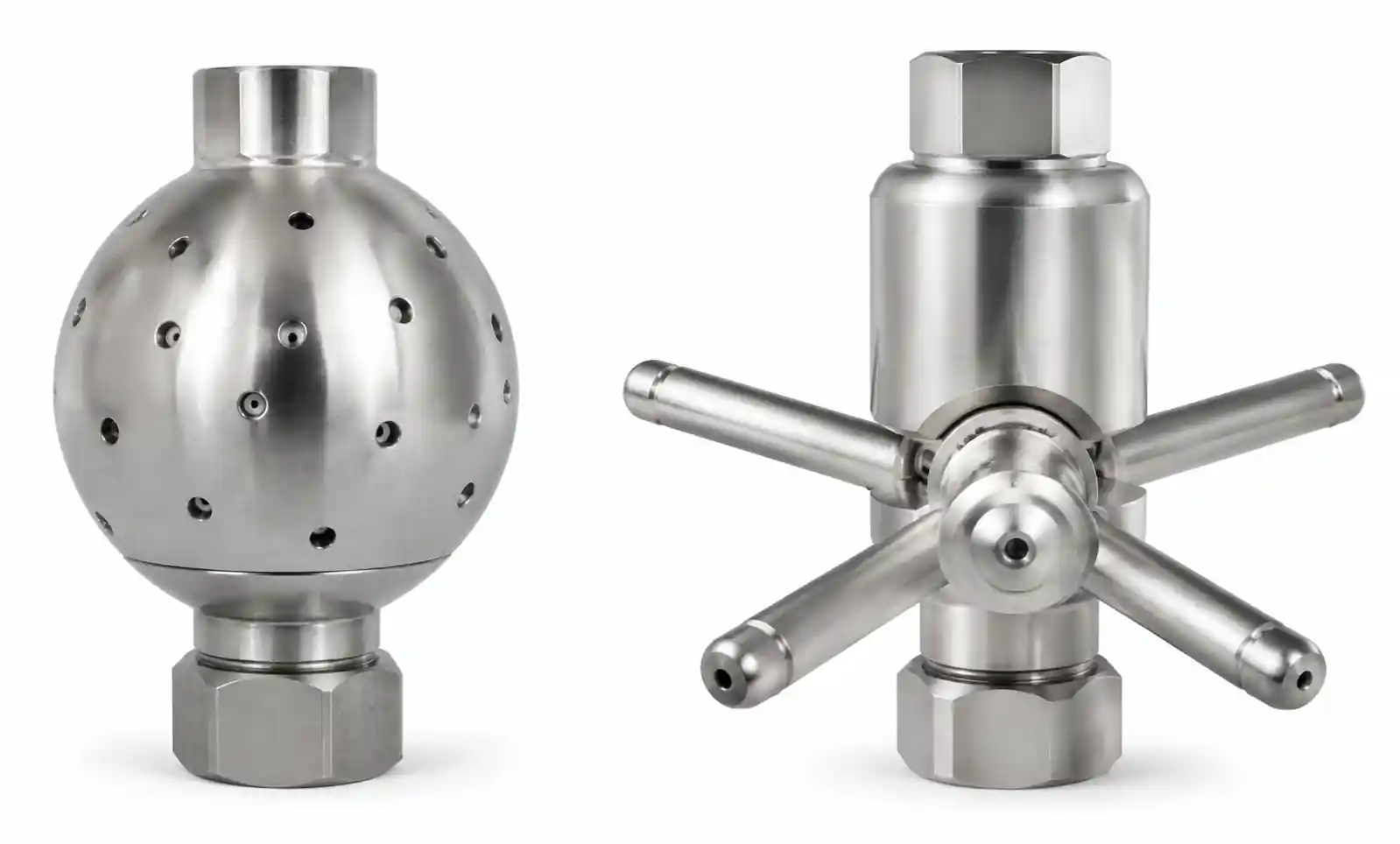
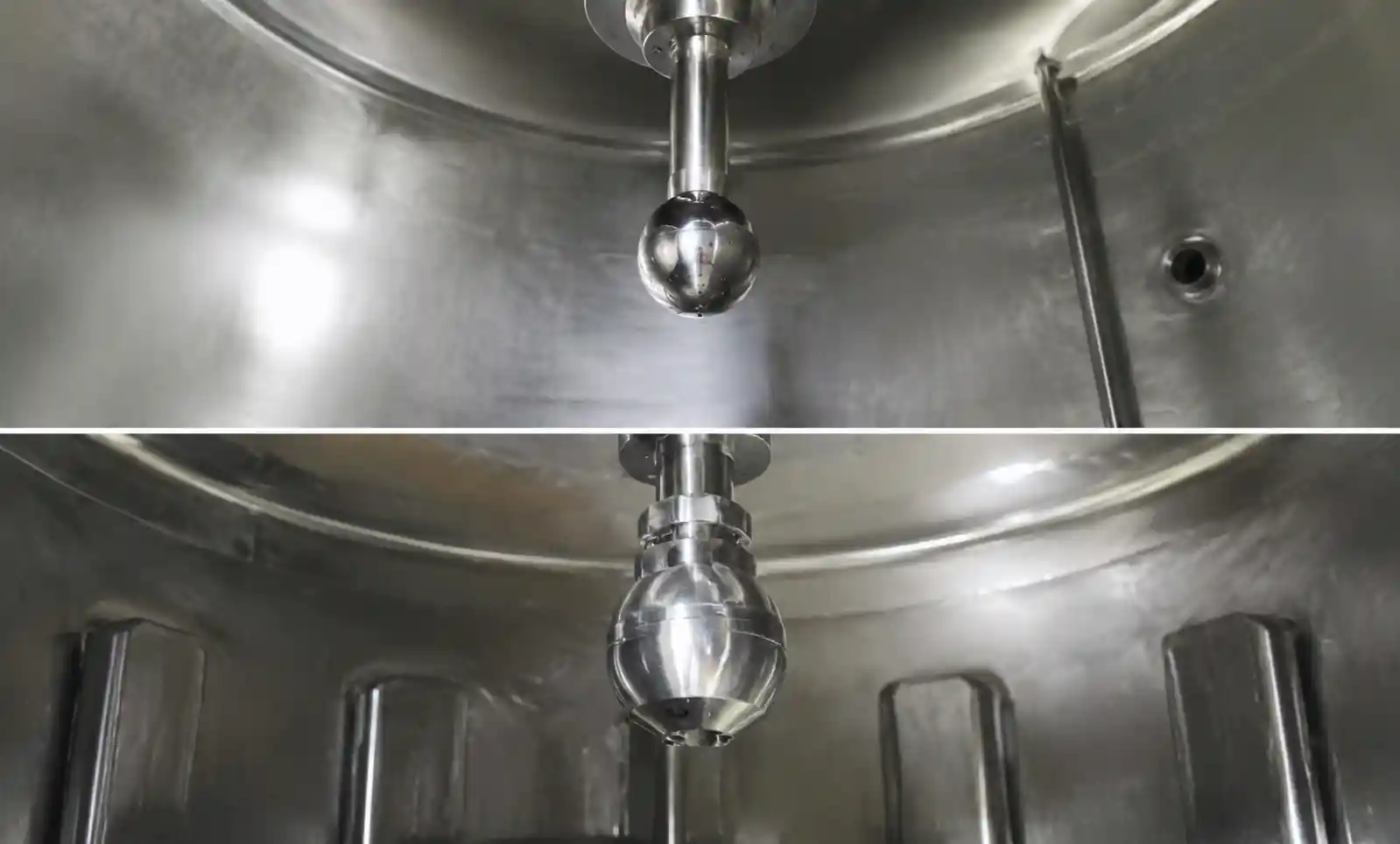
Static spray balls are fixed nozzles with multiple drilled orifices producing a spherical spray pattern. They have no moving parts—liquid enters and exits through precision-drilled holes arranged around the sphere. The spray pattern remains stationary throughout the cleaning cycle.
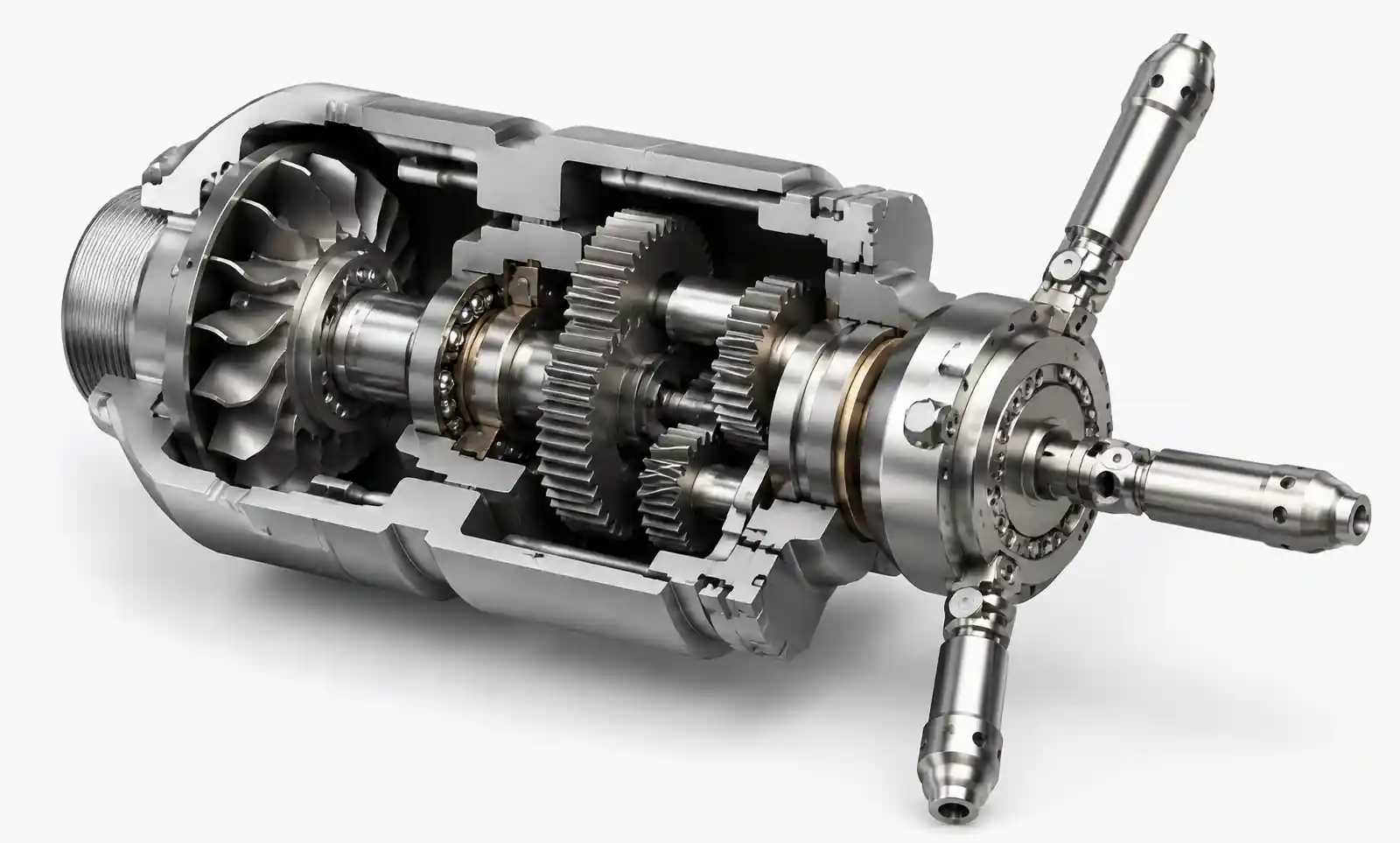
Rotary jet heads use one or more rotating arms driven by the cleaning fluid itself. High-velocity jets exit nozzle orifices on rotating arms, creating indexed or continuous rotation patterns that systematically sweep the entire tank interior. Rotation is achieved through gear-driven mechanisms or direct jet reaction forces.
The fundamental difference: static nozzles rely on high flow rates and complete coverage through numerous orifices, while rotary nozzles concentrate fluid energy into high-impact jets that physically dislodge contaminants.
2. Operating Principle Comparison
Static Spray Ball Operation: Distributes liquid through 50–300+ orifices (2–6 mm diameter). Spray emerges at low velocity (3–8 m/s) and relies on complete wetting rather than mechanical impact. Cleaning depends on chemical action, temperature, and contact time.
Rotary Jet Head Operation: Concentrates flow through 1–4 large orifices (4–12 mm) on rotating arms. Jet velocity reaches 15–35 m/s, generating significant impact force. Gear-driven units provide consistent rotation at low pressures (1–3 bar); jet reaction heads require 2.5–3 bar minimum.
3. Flow Rate and Pressure Characteristics
| Nozzle Type | Typical Flow Rate | Typical Pressure Range | Orifice Configuration |
|---|---|---|---|
| Static spray ball | 20–150 L/min (5–40 GPM) | 1–4 bar (15–60 psi) | 50–300 small orifices (2–6 mm) |
| Rotary jet head (single arm) | 10–40 L/min (2.5–10 GPM) | 2.5–10 bar (35–150 psi) | 1–2 large orifices (4–10 mm) |
| Rotary jet head (dual arm) | 20–80 L/min (5–20 GPM) | 3–10 bar (45–150 psi) | 2–4 large orifices (6–12 mm) |
Static spray balls require high volumetric flow but operate effectively at low pressure (1.5–2 bar sufficient for light soil). Rotary nozzles use 30–60% less water but require higher pressure to generate mechanical cleaning force.
Pump selection: Static systems need high-flow, low-pressure centrifugal pumps. Rotary systems need moderate-flow, higher-pressure pumps—positive displacement or multistage centrifugal designs.
4. Impact Force and Cleaning Mechanism
Jet Impact Force Calculation: F = ρ × Q × V
For a static spray ball orifice (2 mm, 1.5 bar): F ≈ 0.02 N per orifice. For a rotary jet head (8 mm, 5 bar): F ≈ 6.25 N per jet.
The rotary jet delivers roughly 300× more impact force than a single static orifice.
| Cleaning Mechanism | Static Spray Ball | Rotary Jet Head |
|---|---|---|
| Primary action | Chemical soaking + wetting | Mechanical impact + chemical action |
| Impact force per jet | 0.01–0.05 N | 3–15 N |
| Effective on dried residues | No—requires pre-soaking | Yes—removes baked-on deposits |
| Effective on biofilms | Limited | Yes—physically dislodges biofilm |
| Temperature dependency | High | Moderate |
| Chemical dependency | High | Moderate |
5. Coverage Uniformity and Cycle Time
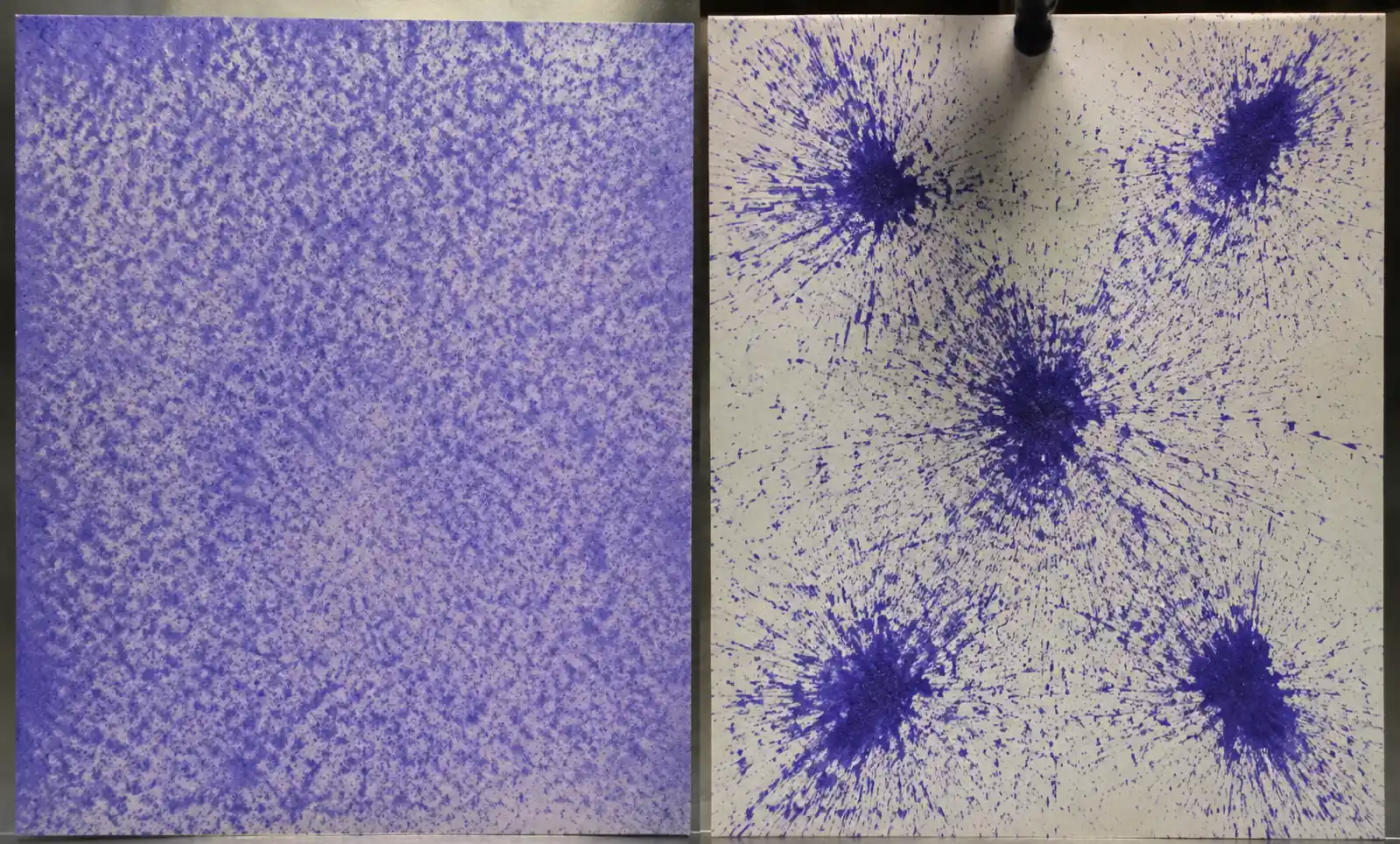
Static Spray Ball Coverage: Instantaneous full coverage—all surfaces wetted simultaneously. However, spray zones between jets receive 3–5× less liquid volume. For tall tanks (height > 2× diameter), a single spray ball often cannot adequately wet top and bottom simultaneously. Cycle time: 15–45 minutes for light soils, 30–90 minutes for moderate soils.
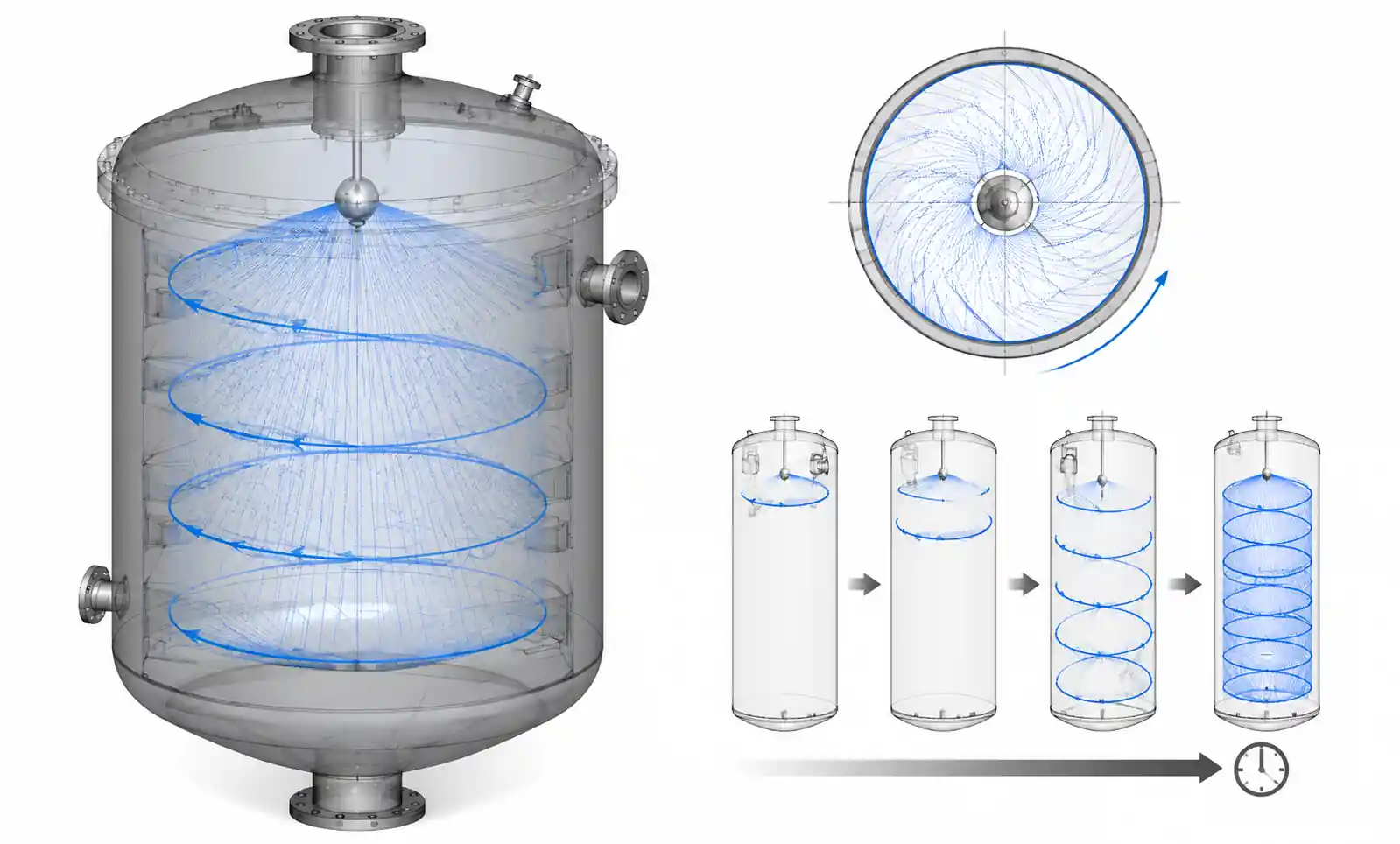
Rotary Jet Head Coverage: Sequential indexed coverage—each surface receives high-impact cleaning once per rotation cycle (typically 2–10 minutes). Coverage uniformity depends on precise indexing. Total cycle time: 5–20 minutes—typically 3–6× faster than static systems.
| Factor | Static Spray Ball | Rotary Jet Head |
|---|---|---|
| Coverage pattern | Simultaneous full coverage | Sequential indexed coverage |
| Cycle time (light soil) | 15–30 min | 5–10 min |
| Cycle time (heavy soil) | 45–120 min | 10–25 min |
| Shadow zones | High—between orifice patterns | Low—if indexed correctly |
| Installation tolerance | Forgiving (±50 mm) | Critical (±10 mm) |
6. Maintenance and Reliability
Static Spray Ball Maintenance: No moving parts—minimal maintenance. Primary failure: orifice clogging from particulates or scale. Quarterly inspection and cleaning. Replacement interval: 3–7 years. Clogging reduced 70–80% with 100-mesh strainer and weekly back-flush.
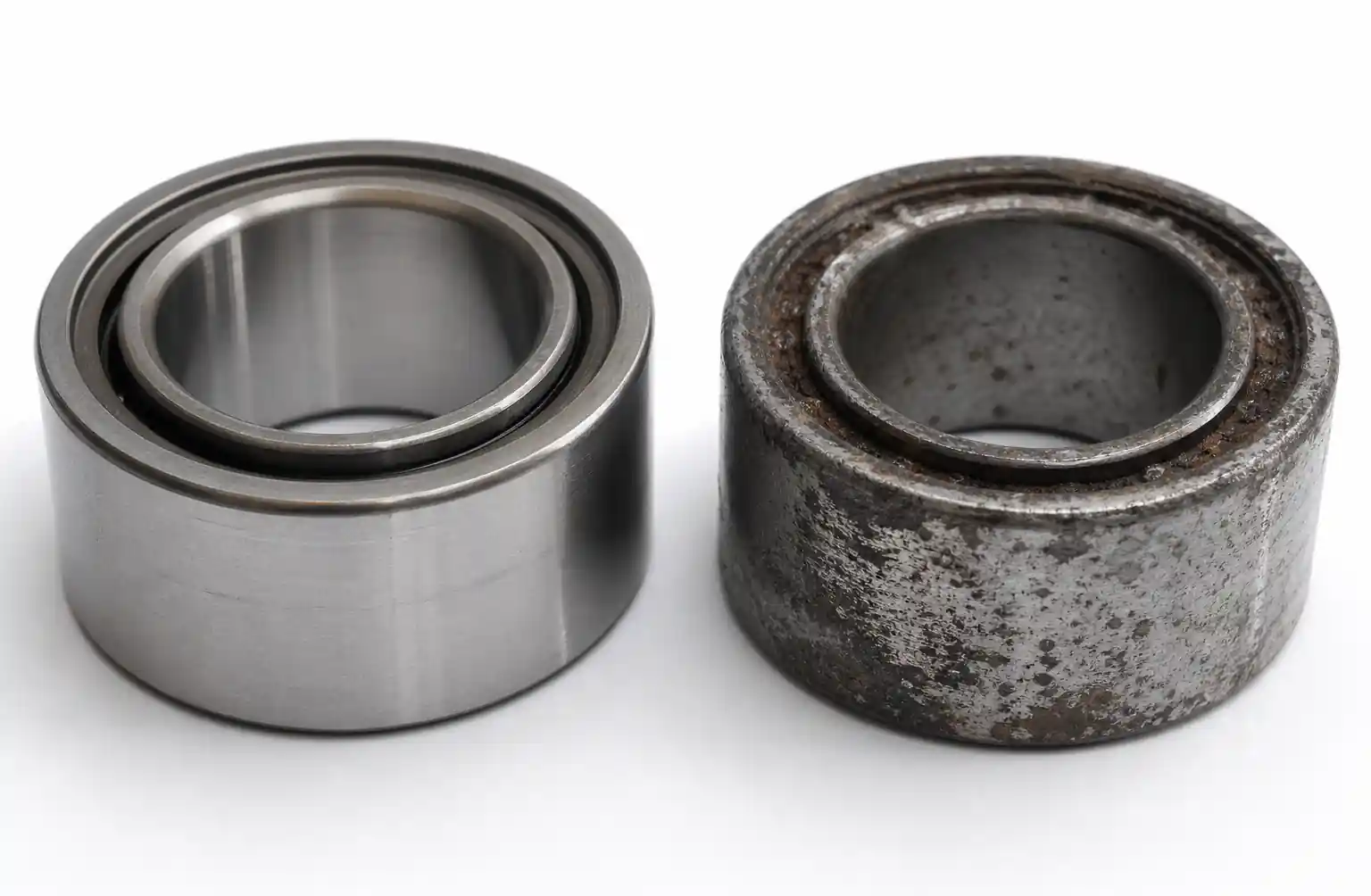
Rotary Jet Head Maintenance: Contains bearings, seals, gears—all subject to wear. Common failures: bearing seizure (40%), gear wear (25%), seal leakage (20%), orifice erosion (15%). Monthly rotation verification, quarterly disassembly, annual bearing/seal replacement. MTBF: 18,000–30,000 hours vs 40,000–60,000 hours for static balls.
7. Application-Specific Selection Guide
Choose Static Spray Balls for:
- Light soil loads (rinses, pre-rinse)
- Chemical-soluble residues (sugars, salts, water-soluble organics)
- Low-pressure systems where booster pumps are impractical
- Budget constraints (40–70% lower initial cost)
- Beverage tanks, pharmaceutical buffer tanks, clean water storage
Choose Rotary Jet Heads for:
- Heavy soil loads (dried protein, caramelized sugars, polymers)
- Biofilm removal (pharmaceutical water systems, bioreactors)
- Fast cycle time requirements (high-throughput operations)
- Water conservation (40–60% reduction vs static)
- Difficult geometries (tall tanks, internal baffles)
- Protein processing, brewing fermenters, polymer reactors
Decision Matrix: Score 1=static favored, 5=rotary favored—soil difficulty, tank size, cycle time constraint, water cost/availability, maintenance capability. Total <12: Static; 12-18: Either; >18: Rotary.
8. Total Cost of Ownership
Five-Year TCO (10,000L tank, 2 cycles/day, 250 days/year):
| Cost Element | Static Spray Ball | Rotary Jet Head |
|---|---|---|
| Initial equipment | $800–1,500 | $2,500–4,500 |
| Installation | $200–400 | $400–800 |
| Pump & piping | $3,000–5,000 | $4,000–6,500 |
| Water (5-year) | $4,800 | $2,000 |
| Energy (5-year) | $1,200 | $1,800 |
| Chemicals (5-year) | $3,000 | $1,200 |
| Maintenance labor | $500 | $2,000 |
| Replacement parts | $300 | $1,500 |
| Downtime cost | $8,000 | $0 |
| Five-Year Total | $21,800 | $21,800 |
Rotary advantage grows with higher throughput, water-stressed regions, or heavy soil loads. Payback: 6–18 months for operations with 3+ cycles/day.
9. Common Installation Mistakes
Incorrect Tank Geometry Assumptions: Coverage depends on height-to-diameter ratio (H/D). H/D <1: single nozzle adequate; H/D 1–2: single nozzle works with correct insertion depth; H/D >2: dual nozzles or extended coverage required.
Undersized Flow Rate: Reducing flow from 60 to 40 L/min cuts effective spray radius by 20–30%. For rotary heads, insufficient pressure causes slow rotation or "parking."
Ignoring Rotation Verification: Rotary heads may fail to rotate due to misalignment, debris, or damage—resulting in a stationary jet cleaning only a narrow band. Install sight glass or use rotation sensors.
Inadequate Filtration: Particulates cause 50–70% of premature failures. Minimum: 100-mesh (150 micron) for static, 40-mesh (400 micron) for rotary.
10. FAQ
Can I replace a static spray ball with a rotary head without changing piping?
Yes, if connection size matches and pump delivers higher pressure (3–6 bar vs 1.5–2.5 bar). Verify insertion depth—rotary heads require precise positioning (±10 mm).
Why does my rotary nozzle stop rotating?
Pressure below minimum, bearing/gear jam from contamination, or lubricant loss from seal failure.
How do I calculate number of spray balls needed?
One per 15–25 m² surface area for light soils, or per 8–15 m² for heavier soils. Ensure spray radius reaches all surfaces with 20–30% overlap.
What causes shadowing?
Static: incorrect positioning, undersized flow, clogged orifices, or tank geometry blocking spray paths. Rotary: incomplete rotation, indexing failure, or installation depth error.
Are rotary nozzles suitable for pharmaceutical applications?
Yes—specify ASME BPE-compliant designs with electropolished 316L, FDA-approved lubricants, and double seals.
How often should I replace nozzles?
Static: 3–7 years (clean water), 1–3 years (abrasive). Rotary: replace bearings/seals annually; full head replacement every 3–5 years.
Can I use hot water or steam?
Static: up to 95°C continuous, 120°C intermittent. Rotary: standard 80°C max; high-temperature versions with ceramic bearings up to 140°C.
11. Conclusion
Static spray balls excel in light-duty applications where chemical action removes soils, upfront cost matters, and cycle time is not production-limiting. Rotary jet heads deliver superior performance on heavy soils, cut cycle time by 50–70%, reduce water and chemical consumption, but require higher capital investment and more intensive maintenance.